
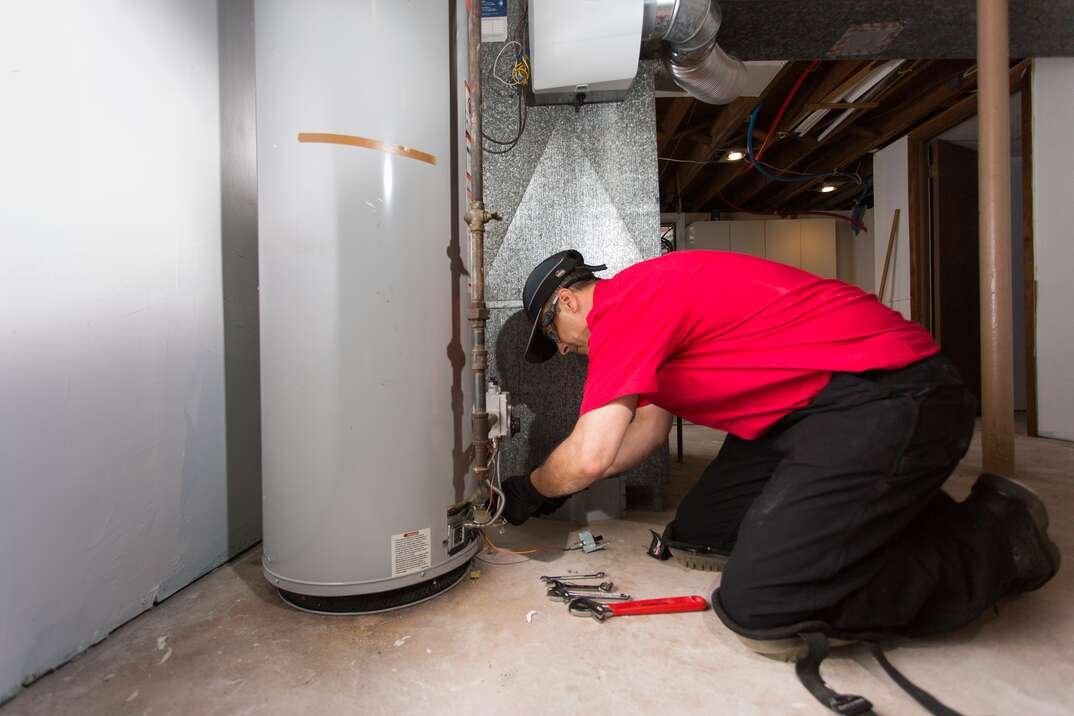
When winter approaches in St. Charles, MO, dependable hot water becomes even more important. Colder incoming water can make your water heater work harder to reach the temperature you need, while busy household routines can expose problems that were less noticeable during warmer months.
The best time to address a struggling water heater is before it stops working altogether. A shower that turns lukewarm too quickly, new rumbling sounds, or moisture around the tank can indicate that your system needs attention.
If you are preparing your home for colder weather, use this guide to recognize five water heater warning signs, understand what they could mean, and decide when to contact a professional plumber.
1. Your Hot Water Runs Out Faster Than Normal
One of the first signs of a struggling water heater is a noticeable drop in the amount of hot water available.
Perhaps your shower used to stay hot comfortably, but now the water turns lukewarm before you finish. You might also notice that the supply runs short when someone takes a shower after another family member or when laundry and dishwashing overlap.
Several issues could explain this change, including sediment accumulation, a failing heating component, a thermostat problem, or a tank that no longer meets your household’s demand.
Colder incoming water can also increase the amount of heating required to produce usable hot water. If your system already has limited capacity or a developing fault, the difference may become more noticeable during winter.
What you can do: Observe whether the problem happens repeatedly during normal household use. If your hot-water supply has declined without a clear change in your routine, arrange an inspection to identify the cause.
A plumber can determine whether a component repair, system adjustment, or replacement should be considered.
2. Your Water Heater Makes New Popping or Rumbling Sounds
A water heater that begins making persistent popping, crackling, or rumbling sounds may be showing signs of sediment buildup or another operating problem.
In a traditional tank system, minerals and sediment can collect at the bottom. As the water heats, bubbles can form around the accumulated material, producing popping or rumbling noises.
The sound alone does not confirm the cause, and not every operating noise indicates a serious fault. However, new or increasingly loud sounds deserve attention, especially when combined with inconsistent hot water or slower heating.
What you can do: Pay attention to when the noise occurs and whether it is becoming more frequent. If the sound persists or the system’s performance changes, have a plumber inspect the unit.
Avoid opening the tank or attempting to flush or repair equipment unless you understand the manufacturer’s instructions and the procedure is appropriate for your system. Gas, electrical, and pressurized components can present safety risks.
3. Your Hot Water Looks Rusty or Discolored
If the water coming from your hot-water tap appears yellow, brown, or rusty, the water heater or hot-water plumbing may be contributing to the problem.
Possible causes include corrosion inside the tank, deterioration of an internal component, or corrosion in the plumbing. Discoloration can also originate elsewhere in the water supply, so it should not automatically be blamed on the heater.
A simple observation can help narrow down the source: Compare hot and cold water at separate fixtures. If discoloration appears only in the hot water, the water heater or hot-water piping deserves closer attention. If both are discolored, the source may be elsewhere.
What you can do: If the discoloration persists, contact a plumber to investigate. If it occurs alongside a leak, visible corrosion, or a significant change in performance, arrange an inspection promptly.
Do not assume that replacing the entire water heater is necessary before the source has been identified.
4. Your Water Heater Takes Longer to Recover Between Uses
Does your household have to wait longer than usual for hot water after a shower, laundry load, or dishwasher cycle?
A longer recovery period can indicate that the heater is struggling to replenish its supply. Possible causes include a faulty heating component, sediment accumulation, a capacity issue, or increased demand.
Colder incoming water can contribute to longer heating times because the system must raise the water temperature further. However, a sudden or persistent change in recovery time should not automatically be dismissed as a normal winter effect.
What you can do: Notice whether the delay occurs consistently and whether the amount of available hot water has also decreased. If the change continues, a professional evaluation can help determine whether the system needs repair or whether its capacity is no longer appropriate for your household.
This is also a good opportunity to discuss whether your current water heater can comfortably meet your household’s hot-water needs.
5. You Notice Water Around the Water Heater
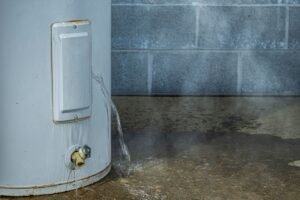
Water pooling around the base of a water heater is a warning sign that should never be ignored.
The source could be a loose connection, a leaking valve, a drain fitting, condensation, or a failing tank. Some leaks involve repairable components, while a tank that has developed an internal leak may need replacement.
The location of the water alone is not enough to determine which problem is present.
What you can do: Look for visible moisture, dripping connections, or water stains without removing covers or touching hot pipes and electrical components.
If water is spreading, the leak is substantial, or electrical equipment may be affected, keep away from the hazard and seek prompt professional assistance. If you smell gas, leave the area immediately and contact the gas utility or emergency services from a safe location.
For more guidance, read our article about water around a water heater with no visible leak.
A Practical Water Heater Checklist Before Winter
You do not need to dismantle your water heater to identify changes that may need attention. Before temperatures drop, take a few minutes to review its visible condition and normal performance.
- Check hot-water consistency. Notice whether temperatures fluctuate or the supply runs out faster than usual.
- Listen for new noises. Persistent popping or rumbling can indicate a problem that needs investigation.
- Look for moisture. Check the accessible area around the tank and connections for visible leaks or corrosion.
- Review the system’s age and repair history. Repeated breakdowns or declining performance may justify discussing replacement options.
- Check the surrounding area. If the heater is installed in an unheated garage, basement, or utility area, consider whether exposed plumbing needs protection from freezing temperatures.
Do not adjust gas controls, disconnect electrical components, or remove safety covers as part of a routine homeowner check.
If your water heater is located in an area exposed to freezing temperatures, protecting nearby pipes is a separate but important part of winter plumbing preparation. Follow the equipment manufacturer’s recommendations and seek professional guidance if you are unsure how to protect the installation safely.
Should You Repair or Replace Your Water Heater Before Winter?
Finding a warning sign does not necessarily mean you need a new water heater. The right decision depends on the equipment’s condition, the cause of the problem, the cost of repair, and your household’s hot-water needs.
Repair may be appropriate when:
- The problem involves a repairable component.
- The tank is in good condition and is not leaking from its body.
- The system has generally been reliable and the repair is reasonable for its age.
Replacement may be worth considering when:
- The tank itself is leaking because of internal failure.
- The system is older and experiencing recurring problems.
- Repair costs are becoming frequent or substantial.
- The water heater no longer supplies enough hot water for your household.
Age is an important consideration, but it should not be the only factor. A professional can assess the system and explain the options before you commit to a repair or replacement.
If you are weighing the cost of keeping an older unit against installing a new one, see our guide on repairing an old water heater in St. Charles, MO.
Water Heater Service in St. Charles, MO
A water heater that is already struggling may not improve simply because the weather changes. Addressing persistent symptoms before winter can give you more time to understand the problem and make an informed decision.
Arch Plumbing provides water heater installation and replacement services in St. Charles, MO, and surrounding communities. As a family-owned plumbing company with more than 60 years of master plumbing experience in the family, Arch focuses on quality workmanship, reliable service, and long-lasting results.
Whether your current water heater needs professional attention or you are considering a replacement, the first step is understanding what your system needs.
Concerned about your water heater before winter?
Call Arch Plumbing at (636) 299-3854 or visit our water heater installation page for St. Charles homeowners to discuss your options and make an appointment.
Frequently Asked Questions
Should I have my water heater checked before winter?
If your water heater is showing warning signs, has a history of breakdowns, or is struggling to supply enough hot water, a professional inspection before winter can help identify the cause before the problem worsens.
Why does my water heater struggle more in cold weather?
Colder incoming water needs more heating to reach the desired temperature. A system with limited capacity or a developing fault may therefore struggle to keep up with household demand.
What are the most common warning signs of water heater problems?
Common signs include inconsistent hot water, a reduced hot-water supply, unusual noises, discolored hot water, longer recovery times, and water around the unit.
Does a noisy water heater need to be replaced?
Not necessarily. Sediment buildup or a component problem may be repairable. An inspection can help identify the cause and determine whether repair or replacement is appropriate.
Should I replace my water heater before it fails?
Not in every case. The unit’s age, condition, repair history, and household demand should all be considered. A professional assessment can help you compare your options before an unexpected breakdown.
Who provides water heater installation in St. Charles, MO?
Arch Plumbing provides water heater installation and replacement services for homeowners in St. Charles, MO, and surrounding communities. Call (636) 299-3854 or visit the website to make an appointment.
Let’s Book Your Appointment
Fill out the form below and our team will contact you shortly to confirm your appointment.




