
A drain that keeps clogging, several slow drains throughout your home, or an unpleasant sewer odor can be more than a minor plumbing inconvenience. When these problems return after routine drain clearing, the cause may be deeper in your plumbing system.
For homeowners in St. Charles, MO, identifying the source of a recurring sewer problem is important before deciding what repair is needed. A sewer camera inspection can help a plumber examine the inside of an accessible sewer line and identify certain blockages, root intrusion, pipe damage, and other conditions without immediately digging up the yard.
But does every clogged drain require a camera inspection? Not necessarily. Understanding when this diagnostic method is useful can help you make a more informed decision about your plumbing.
What Is a Sewer Camera Inspection?
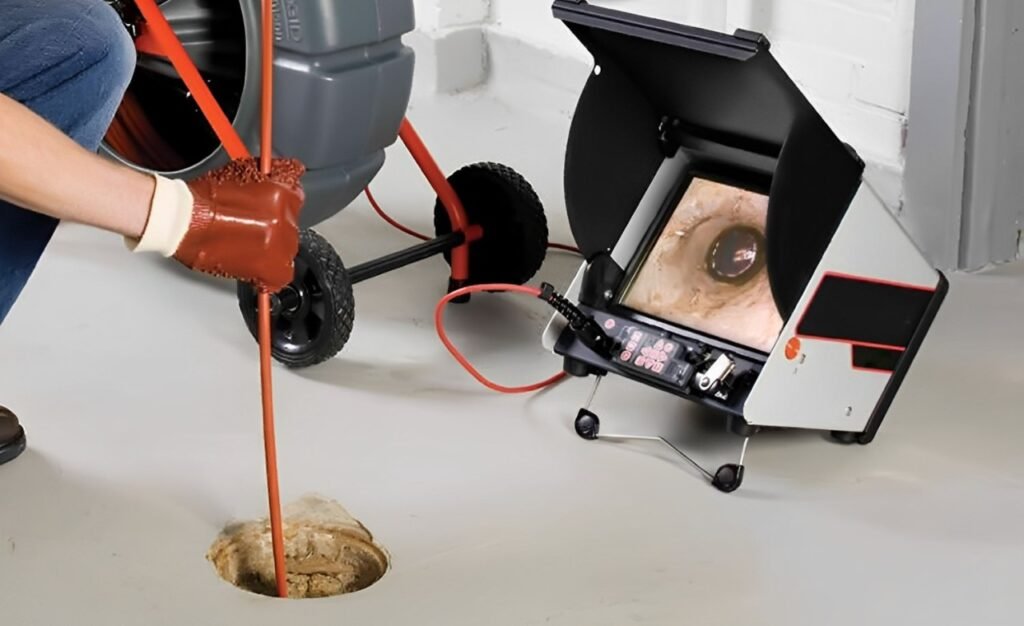
A sewer camera inspection uses a small, waterproof camera attached to a flexible cable to examine the inside of a drain or sewer pipe.
A plumber carefully feeds the camera through an accessible opening and watches the live video feed. Depending on the pipe’s condition and accessibility, the inspection may reveal:
- Tree roots entering through pipe joints or damaged sections
- Cracks, breaks, or other visible pipe damage
- Heavy deposits or obstructions inside the line
- Misaligned or separated pipe connections
- Sections where the pipe appears to have collapsed
- Standing water or visible signs of a drainage problem
The main advantage is that a camera can help locate the problem before a repair plan is chosen. Instead of assuming that every recurring clog requires the same treatment, a plumber can use the findings to determine what further investigation or repair may be appropriate.
However, a camera cannot see through pipe walls or reliably identify every underlying cause. Some conditions may require additional testing or investigation.
5 Signs You May Need a Sewer Camera Inspection
1. Your Drains Keep Clogging After Cleaning
A drain that repeatedly clogs despite proper clearing deserves closer attention.
A single clogged kitchen sink or bathroom drain is often caused by localized buildup. However, if the same drain keeps blocking shortly after service, the underlying issue may not have been fully resolved.
Possible causes include persistent deposits, an obstruction farther down the line, root intrusion, or damaged piping.
What to do: Pay attention to how soon the clog returns and whether the problem affects the same fixture each time. If repeated clearing provides only temporary relief, ask a plumber whether a sewer camera inspection is appropriate.
Finding the actual cause can help prevent repeated attempts to treat the symptom without addressing the underlying problem.
2. Multiple Drains Are Slow or Backing Up
When several fixtures develop drainage problems around the same time, the issue may be farther downstream than an individual sink or shower drain.
For example, you might notice a slow bathroom drain along with a toilet that drains poorly or unusual water movement in another fixture. These symptoms can indicate a shared drain or sewer line problem, although the exact cause depends on your plumbing layout.
What to do: Note which fixtures are affected and whether the problem occurs when other plumbing is being used. A plumber can assess whether the symptoms point to a shared blockage or another drainage issue and determine whether a camera inspection would help.
If sewage is backing up into your home, stop using affected plumbing fixtures and arrange prompt professional assistance. Avoid direct contact with wastewater and contaminated surfaces.
3. You Notice Recurring Sewer Odors or Gurgling Sounds
Unpleasant sewer odors or gurgling drains can indicate a plumbing problem, but they do not automatically mean the sewer line is damaged.
A dry or faulty drain trap, a venting issue, or a blockage may contribute to these symptoms. A sewer camera may help if the investigation points to an accessible pipe obstruction or visible damage, but it will not diagnose every venting or odor problem.
What to do: Notice where the odor occurs and whether it appears alongside slow drainage, recurring clogs, or unusual sounds.
If sewer odors persist, have the plumbing system evaluated to identify the source rather than assuming that the sewer line needs replacement.
4. Your Yard Shows Signs of a Possible Sewer Line Problem
Some sewer line problems produce symptoms outside the house as well as inside it.
Depending on the location and severity of the issue, you may notice an unusually wet patch of ground, localized settlement, or persistent unexplained moisture near the route of a buried sewer line.
These signs are not proof of a sewer leak. Rainfall, irrigation, drainage patterns, and other underground utilities can produce similar conditions.
What to do: If unexplained wet areas occur alongside recurring drain problems, tell your plumber what you have observed. A camera inspection may help assess the accessible interior of the sewer pipe if a line defect is suspected.
If excavation or repair is necessary, locating the affected section can help the plumber determine the next steps.
5. You Are Buying a Home With an Older Sewer Line
A home can look well-maintained above ground while its buried sewer line has problems that are not visible during a normal walk-through.
This is particularly worth considering when a property has an older plumbing system, mature trees near the sewer route, previous drainage complaints, or a history of sewer repairs.
A standard home inspection may not include a detailed internal examination of the entire sewer line. Buyers should confirm what their inspection covers rather than assume the underground piping has been assessed.
What to do: If you are purchasing a property in St. Charles, MO, ask your home inspector or real estate professional whether a separate sewer camera inspection would be appropriate.
The results may help you understand the line’s visible condition and identify concerns that warrant further evaluation before closing.
A camera inspection cannot guarantee that a sewer line will remain problem-free, but it can provide useful information about conditions visible at the time of inspection.
5. You Are Buying a Home With an Older Sewer Line
A home can look well-maintained above ground while its buried sewer line has problems that are not visible during a normal walk-through.
This is particularly worth considering when a property has an older plumbing system, mature trees near the sewer route, previous drainage complaints, or a history of sewer repairs.
A standard home inspection may not include a detailed internal examination of the entire sewer line. Buyers should confirm what their inspection covers rather than assume the underground piping has been assessed.
What to do: If you are purchasing a property in St. Charles, MO, ask your home inspector or real estate professional whether a separate sewer camera inspection would be appropriate.
The results may help you understand the line’s visible condition and identify concerns that warrant further evaluation before closing.
A camera inspection cannot guarantee that a sewer line will remain problem-free, but it can provide useful information about conditions visible at the time of inspection.
What Can a Sewer Camera Inspection Tell You?
The value of an inspection depends on what is visible inside the pipe and whether the camera can reach the affected area.
| What the camera may reveal | Why it matters |
|---|---|
| Tree roots inside a pipe | May indicate an entry point or damaged joint that needs evaluation |
| Heavy buildup or an obstruction | May help locate the cause of recurring drainage problems |
| Cracks or broken pipe sections | May indicate that repair is necessary |
| Misaligned pipe connections | May help explain recurring blockages or drainage difficulties |
| Standing water in a section of pipe | May indicate a drainage concern that requires further assessment |
The findings help guide the next step, but they do not always provide a complete diagnosis. For example, standing water may suggest a low section of pipe, but additional evaluation may be needed to determine why it developed.
The inspection should lead to a clear explanation of what was observed, what remains uncertain, and whether further testing or repair is recommended.
Does Every Sewer Problem Require a Camera Inspection?
No. A camera inspection is most useful when seeing inside the pipe is likely to help answer a specific question.
A localized sink clog caused by an ordinary accumulation of debris may be resolved without inspecting the main sewer line. In contrast, recurring blockages, multiple affected fixtures, or suspected pipe damage may justify a more detailed investigation.
The right diagnostic approach depends on the symptoms, the plumbing layout, the history of the problem, and the results of any initial assessment.
Before agreeing to a repair, ask the plumber:
- What evidence suggests the sewer line is the source of the problem?
- Would a camera inspection help confirm the location or nature of the issue?
- Will the inspection cover the affected section of pipe?
- What are the limitations of the inspection?
- If a defect is found, what repair options are available?
These questions help you understand why a particular service is being recommended and what information you can expect to receive.
What Happens After a Sewer Camera Inspection?
An inspection is a diagnostic step, not a repair by itself. The appropriate next action depends on the findings.
If the line contains an obstruction: The plumber may recommend a suitable clearing method, depending on the material and condition of the pipe.
If roots are entering the line: The plumber can explain how to address the intrusion and whether the affected pipe or joint also needs repair. Removing roots alone may not correct the opening through which they entered.
If the pipe is cracked or separated: Further evaluation can help determine the location and extent of the damage and which repair methods are appropriate.
If a section appears damaged or collapsed: The findings may indicate a need for more detailed assessment and sewer line repair or replacement.
Before work begins, ask for an explanation of the findings, the proposed repair, and the expected scope of the work. This helps you make an informed decision rather than committing to a repair based on symptoms alone.
Sewer Line Problems in St. Charles, MO: When to Call a Plumber
Recurring drain problems are easier to evaluate when you can explain exactly what has been happening.
When contacting a plumber, be ready to describe:
- Which drains or fixtures are affected
- How frequently the problem returns
- Whether drain clearing has helped and for how long
- Whether you have noticed sewer odors, gurgling, or sewage backups
- Whether there are unexplained wet areas near the suspected sewer line
This information helps the plumber assess the situation and decide what diagnostic steps are appropriate.
Arch Plumbing provides sewer line repair and plumbing services for homeowners in St. Charles, MO, and surrounding communities. If recurring clogs, drainage problems, or suspected sewer line damage are affecting your home, contact Arch Plumbing to discuss the symptoms and determine the appropriate next step.
Concerned about a recurring sewer problem?
Call Arch Plumbing at (636) 299-3854 or contact us to make an appointment.
Ask about the available diagnostic options for your sewer line before proceeding with repairs.
Frequently Asked Questions
How do I know if I need a sewer camera inspection?
Recurring drain clogs, multiple slow drains, unexplained sewer odors accompanied by drainage problems, or suspected sewer pipe damage may justify an inspection. A plumber can assess whether viewing the inside of the line is likely to help identify the cause.
Can a sewer camera inspection find tree roots in a pipe?
Yes, if the camera can reach the affected area and the roots are visible. An inspection may reveal root intrusion and help locate the affected section, although additional assessment may be needed to determine the extent of pipe damage.
Can a sewer camera inspection detect a broken sewer line?
A camera may reveal visible cracks, separations, or collapsed sections inside an accessible pipe. However, it cannot see through the pipe walls or guarantee detection of every defect.
Should I get a sewer camera inspection before buying a house?
It may be worthwhile when buying an older property, a home with mature trees near the sewer route, or a property with a history of drainage problems. Confirm whether the standard home inspection includes an internal sewer line assessment.
Does a sewer camera inspection clear a clogged drain?
No. The camera is used to inspect and diagnose conditions inside the pipe. Clearing an obstruction or repairing damaged piping requires separate work when recommended.
Can a sewer camera inspection prevent future sewer problems?
An inspection can identify certain existing problems and help you address them before they worsen. It cannot guarantee that new blockages, root intrusion, or pipe damage will not develop in the future.
Let’s Book Your Appointment
Fill out the form below and our team will contact you shortly to confirm your appointment.




