
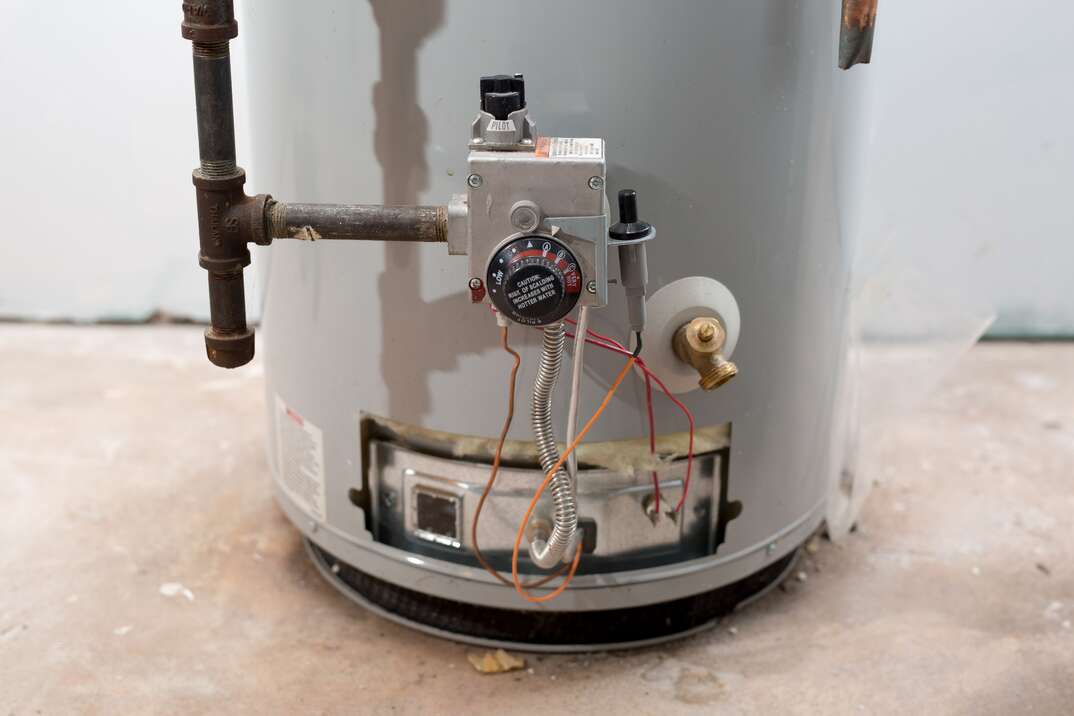
A failing water heater can quickly become a major inconvenience for homeowners. From inconsistent hot water to rising utility bills, older systems often create ongoing problems that leave many people asking the same question:
Is it worth repairing an old water heater, or is replacement the better option?
The answer depends on the age of the unit, the type of repair needed, overall efficiency, and how often problems are occurring. In this guide, we’ll explain when repairing a water heater makes sense and when replacement may save you more money long term.
How Long Do Water Heaters Typically Last?
The average lifespan of a traditional tank water heater is usually around 8–12 years with proper maintenance.
Tankless water heaters often last longer, sometimes up to 15–20 years depending on usage and maintenance.
As water heaters age, internal components begin wearing down, efficiency decreases, and the risk of leaks or system failure increases.
When Repairing a Water Heater May Make Sense
In many cases, repairing a water heater can still be a smart and cost-effective option — especially if the unit is newer and the problem is isolated.
Repairs may make sense when:
- The water heater is less than 8 years old
- The issue involves a thermostat or heating element
- The pilot light will not stay lit
- A valve or small component needs replacement
- The system has otherwise been reliable
- Repair costs are relatively minor
A professional inspection can help determine whether the problem is repairable or if more serious internal damage exists.
When Replacing an Old Water Heater Is Usually Better
As water heaters age, repairs can become more frequent and less cost-effective. In some situations, replacement is the better long-term investment.
Replacement is often recommended when:
- The tank is leaking
- Rust-colored hot water appears from faucets
- Repairs are becoming frequent
- Hot water runs out quickly
- Utility bills continue increasing
- The system is over 10–12 years old
- The unit makes loud rumbling or banging noises
Once the tank itself begins failing, replacement is typically the safest and most reliable solution.
Older Water Heaters Often Become Less Efficient
Even if an older water heater is still operating, it may no longer be running efficiently.
Over time, sediment buildup inside the tank can reduce heating performance and force the system to work harder. This can increase energy usage and reduce the amount of available hot water.
Newer water heaters are generally more energy-efficient and may help improve reliability while lowering monthly utility costs.
Repair Costs Can Add Up Quickly
A single repair may not seem expensive at first. However, repeated service calls on an aging water heater can quickly add up over time.
Many homeowners choose replacement when:
- multiple parts begin failing
- repair costs continue increasing
- the unit is nearing the end of its lifespan
In many cases, investing in a newer system provides greater peace of mind and reduces the risk of unexpected breakdowns.
Signs Your Water Heater May Be Near Failure
Watch for these common warning signs:
- Water leaking around the base of the tank
- Inconsistent water temperatures
- Rusty or discolored hot water
- Reduced hot water supply
- Unusual noises coming from the tank
- Frequent repairs
- Rising energy bills
If you notice any of these issues, scheduling a professional inspection can help prevent more serious damage.
Tank vs. Tankless Replacement Options
If replacement is recommended, homeowners today often choose between:
- traditional tank water heaters
- tankless water heater systems
Traditional tank systems are generally more affordable upfront, while tankless systems offer:
- continuous hot water
- improved energy efficiency
- longer system lifespan
- space-saving design
The best option depends on your household size, budget, and long-term goals.
Professional Water Heater Inspection Matters
Water heater problems are not always easy to diagnose without professional experience. What appears to be a simple repair issue may actually indicate internal tank failure or safety concerns.
A licensed plumber can inspect the system, identify the root cause of the problem, and recommend the most cost-effective solution for your home.
Water Heater Repair and Replacement in St. Charles County
Whether your water heater needs a minor repair or complete replacement, professional service helps ensure safe installation and reliable performance.
Arch Plumbing provides water heater repair and replacement services throughout St. Charles County, including St. Peters, O’Fallon, Wentzville, and surrounding communities.
If your water heater is showing signs of age or frequent problems, schedule an inspection today to determine the best solution for your home.
Frequently Asked Questions
How do I know if my water heater should be repaired or replaced?
If your water heater is newer and the issue is minor, a repair may be the best option. However, older systems with leaks, rust, frequent breakdowns, or rising energy bills are often better candidates for replacement.
How long does a typical water heater last?
Most traditional tank water heaters last around 8–12 years with proper maintenance. Tankless water heaters can often last 15–20 years depending on usage and upkeep.
Is it safe to use a leaking water heater?
A leaking water heater should be inspected as soon as possible. Small leaks can quickly worsen and may lead to water damage or complete system failure.
Are tankless water heaters worth the investment?
Tankless systems offer continuous hot water, improved energy efficiency, and longer lifespans. While they typically cost more upfront, many homeowners appreciate the long-term benefits.
Why is my old water heater making rumbling noises?
Rumbling or banging sounds are often caused by sediment buildup inside the tank. Over time, this can reduce efficiency and place additional strain on the system.
Can an old water heater increase utility bills?
Yes. Older water heaters often become less efficient as internal components wear down and sediment accumulates inside the tank, causing the system to work harder.
Let’s Book Your Appointment
Fill out the form below and our team will contact you shortly to confirm your appointment.




