
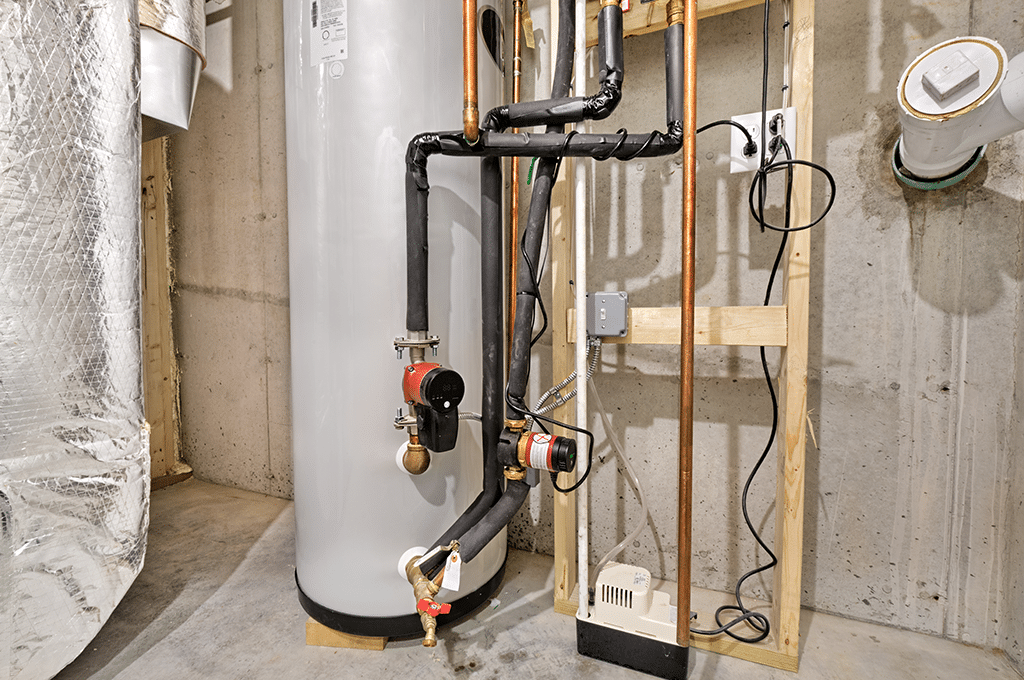
Your water heater should operate without drawing much attention. If you suddenly hear popping, rumbling, crackling, or banging sounds from the tank, it is worth finding out what is causing them.
In many homes, these noises develop as mineral deposits and sediment accumulate inside the water heater. However, the sound can also point to a heating issue, a problem with a component, or another condition that needs professional attention.
Ignoring persistent noises may allow an underlying problem to continue, potentially affecting heating performance and the life of your equipment.
If your water heater is making unusual sounds, here is what homeowners should check, when professional repair may be necessary, and when replacing the unit might make more sense.
Why Is My Water Heater Making Popping or Rumbling Noises?
One of the most common causes of popping or rumbling sounds is sediment buildup inside the water heater tank.
Water contains dissolved minerals that can settle at the bottom of a storage tank over time. As the water heats, bubbles can form beneath or around these deposits and release, producing popping, crackling, or rumbling sounds.
The exact cause depends on the type of water heater, the sound you hear, and the condition of the equipment.
1. Sediment Buildup Inside the Tank
Sediment accumulation is a common reason homeowners hear popping noises from a traditional tank-style water heater.
Minerals and other particles can settle at the bottom of the tank. When the burner or heating element warms the water, heat can become trapped beneath the deposits, creating bubbles that make noise as they escape.
You may notice:
- Popping or crackling sounds during a heating cycle
- Rumbling from the bottom of the tank
- Longer heating cycles than usual
- Reduced hot water performance
Sediment buildup does not automatically mean the water heater needs to be replaced. Depending on the unit’s age, condition, and the severity of the buildup, professional maintenance may help.
If the noises continue or the water heater is no longer heating effectively, a plumber can inspect the system and determine the appropriate next step.
2. A Heating Element Problem in an Electric Water Heater
Electric water heaters use heating elements to warm the water inside the tank. Mineral deposits can collect around these elements, potentially affecting how efficiently they transfer heat.
Depending on the condition of the element and the amount of buildup, you may hear crackling or sizzling sounds.
Other warning signs may include inconsistent hot water, slow recovery after heavy use, or water that does not reach the expected temperature.
An electric water heater that makes unusual noises and struggles to heat water should be inspected by a qualified plumber. Heating elements and electrical connections require proper handling, so avoid removing access panels or attempting electrical repairs yourself.
3. A Burner or Combustion Issue in a Gas Water Heater
Gas water heaters can make sounds as the burner operates, but persistent popping, rumbling, or unusual banging deserves attention.
Sediment buildup can contribute to rumbling in a tank-style unit. Burner-related problems may also cause abnormal operating sounds, depending on the equipment and the circumstances.
If you notice unusual burner behavior, repeated ignition problems, soot, or a burning smell, stop using the appliance if it is safe to do so and arrange professional service.
Important: If you smell gas, leave the building without operating electrical switches or using an open flame. Contact your gas utility or emergency services from a safe location.
4. Water Pressure or Piping Problems
Not every plumbing noise comes from inside the water heater.
Popping, banging, or knocking may originate in the pipes connected to the unit. Changes in water flow, pressure fluctuations, or pipes moving against nearby surfaces can produce sounds that seem to come from the tank.
You may notice the noise when a hot water faucet closes, when a washing machine stops filling, or when another plumbing fixture is used.
A plumber can help determine whether the source is the water heater itself or the surrounding plumbing system. The correct repair depends on the cause rather than the sound alone.
What Should Homeowners Check First?
Before scheduling service, you can observe a few things without opening the water heater or handling its components.
- Notice when the noise occurs.
Does the sound happen only while the water is heating, or does it occur when a faucet is turned off? Noise during a heating cycle may point toward sediment or a heating-related issue, while sounds associated with water flow may originate in the plumbing.
- Check whether the hot water supply has changed.
Notice whether the water takes longer to heat, runs out sooner than usual, or fluctuates in temperature. These changes can help a plumber understand what is happening.
- Look for visible signs of leakage.
Check the floor and the area around the tank for standing water, dampness, or corrosion. Do not touch electrical components or wet wiring.
- Consider the water heater’s age and maintenance history.
An older unit with persistent rumbling and declining performance may need a more thorough evaluation than a recently installed unit with occasional noise.
- Pay attention to other warning signs.
Repeated noises accompanied by leaking, unusual odors, discolored hot water, or unreliable heating should not be ignored.
You do not need to dismantle the unit or attempt a repair to gather this information.
Can Sediment Buildup Damage a Water Heater?
Sediment can interfere with heat transfer and contribute to noisy operation. Depending on the appliance and the severity of the buildup, it may also reduce efficiency and place additional stress on components.
However, noise alone cannot tell you how much damage has occurred.
A plumber can inspect the water heater, assess its condition, and determine whether maintenance or a repair is appropriate. Flushing a tank may help in some situations, but it is not a universal solution. The unit’s condition, manufacturer instructions, and the extent of the buildup all matter.
If the tank is badly deteriorated or has developed a leak through the tank itself, flushing will not restore the damaged metal.
Should You Repair or Replace a Noisy Water Heater?
The right decision depends on the source of the noise, the age of the equipment, its overall condition, and the cost and reliability of the required repair.
When Water Heater Repair May Be Enough
Professional repair or maintenance may be appropriate when:
- Sediment buildup is manageable and the tank remains in good condition.
- A heating element or another replaceable component has failed.
- A valve or plumbing connection needs attention.
- The unit is otherwise operating reliably and has no signs of tank deterioration.
Addressing the problem early may help prevent further inconvenience and restore reliable hot water.
When Water Heater Replacement May Make More Sense
Replacement may be worth considering when:
- The tank itself is leaking or significantly corroded.
- The water heater has recurring problems despite previous repairs.
- Hot water performance has declined substantially.
- The unit is older and requires increasingly frequent repairs.
- A professional inspection identifies damage that cannot be repaired reliably.
Age alone does not determine whether replacement is necessary. The type of unit, maintenance history, and current condition should all be considered before making a decision.
If replacement is the better option, a plumber can help you select an appropriate water heater for your household’s hot water needs.
Water Heater Repair and Replacement in St. Charles County, MO
A noisy water heater can be frustrating, especially when you depend on it for showers, laundry, dishwashing, and everyday household tasks.
Arch Plumbing provides residential and commercial plumbing services, including water heater installation and replacement. Serving homeowners in Lake St. Louis and communities throughout St. Charles County, the team can help assess water heater concerns and determine the next step based on the condition of your equipment.
Whether your unit needs attention because of unusual operating noises, unreliable heating, or age-related wear, getting the problem evaluated can help you make an informed decision.
If your water heater is making persistent popping or rumbling sounds, contact Arch Plumbing to discuss your options.
Make an Appointment with Arch Plumbing to schedule plumbing service.
Call (636) 299-3854 or visit archplumbingstl.com to get started.
Let’s Book Your Appointment
Fill out the form below and our team will contact you shortly to confirm your appointment.


