
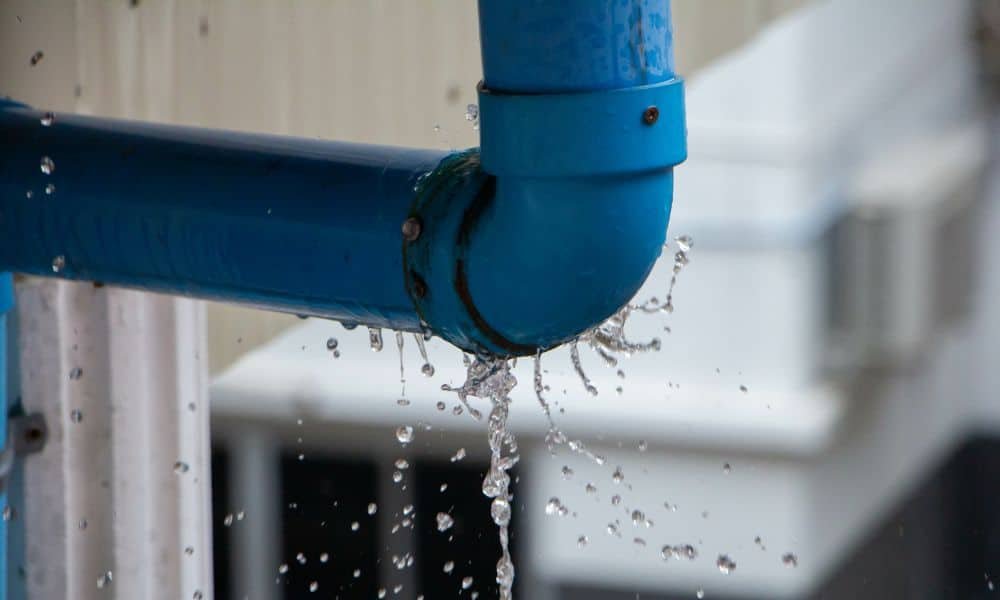
Not every plumbing leak is easy to spot. While a dripping faucet or a leaking pipe under the sink is obvious, leaks hidden behind walls can go unnoticed for weeks or even months. During that time, water can slowly damage drywall, insulation, flooring, and wooden framing while creating conditions for mold and mildew growth.
Knowing what to look for can help you catch problems before they become major repairs. If you’ve already noticed unusual moisture around your home, understanding the early warning signs can make it easier to determine whether a hidden plumbing leak is the cause.
While some leaks become obvious quickly, others remain hidden behind drywall for weeks before visible damage appears. During that time, escaping water can slowly weaken building materials, increase your utility bills, and create ideal conditions for mold growth. Recognizing the early signs of a hidden plumbing leak gives homeowners the opportunity to address the problem before it leads to more extensive repairs and unnecessary expenses.
Why Hidden Plumbing Leaks Are Difficult to Detect
Pipes inside walls are designed to remain out of sight, making small leaks difficult to notice until visible damage begins to appear. Many leaks develop gradually because of aging pipe connections, corrosion, worn fittings, excessive water pressure, or accidental damage. Since the water isn’t always visible, homeowners often don’t realize there’s a problem until stains, odors, or higher water bills appear.
Common Signs of a Plumbing Leak Behind Your Wall
Unexplained Water Stains
Brown or yellow stains on painted walls or ceilings often indicate moisture accumulating behind the surface. Even if the stain appears dry, it may signal an active plumbing issue that requires attention.
Peeling Paint or Bubbling Drywall
Moisture trapped behind walls can cause paint to blister, wallpaper to loosen, or drywall to swell. These changes often occur before water becomes visible.
Musty Odors
Persistent musty smells without an obvious source may indicate moisture trapped inside walls where mold or mildew has started to develop.
An Unexpected Increase in Your Water Bill
If your household water usage hasn’t changed but your monthly bill has increased, a hidden plumbing leak could be allowing water to escape continuously.
Running Water Sounds
Hearing water moving through the walls when every faucet and appliance is turned off is another warning sign that shouldn’t be ignored.
Soft or Warped Walls
Drywall that feels soft, swollen, or unusually damp often indicates water damage developing behind the surface.
What Causes Pipes to Leak Inside Walls?
Several plumbing issues can lead to hidden wall leaks, including:
- Aging plumbing materials
- Corroded pipes
- Loose pipe fittings
- Damaged water supply lines
- High water pressure
- Freezing and thawing during winter
- Normal wear over time
Identifying the root cause is important because simply repairing visible damage without addressing the plumbing problem may allow the leak to return.
How to Confirm You May Have a Hidden Leak
Although some leaks require professional inspection, homeowners can perform a few simple observations. Compare recent water bills, monitor your water meter when no fixtures are in use, and look for recurring moisture in the same location. Paying attention to these warning signs can help you recognize a problem sooner.
If you’re unsure what to check first, reviewing our Tips to Help Identify Water Leaks can help you recognize additional signs that often point to hidden plumbing issues before they become more serious.
Why You Shouldn’t Ignore a Hidden Plumbing Leak
Small leaks rarely remain small for long. Water trapped behind walls can gradually weaken structural materials, damage insulation, encourage mold growth, and eventually require costly repairs. Addressing a leak early is often much less expensive than repairing extensive water damage throughout your home. The location and accessibility of a leak can also significantly affect the overall repair process and cost. Learn more in our guide, How Much Does It Cost to Fix a Leak in Missouri Homes?
Prompt repairs also help conserve water and keep your plumbing system operating efficiently.
When to Contact a Professional Plumber
If you suspect a plumbing leak behind a wall, it’s best to have the issue inspected as soon as possible. Professional plumbers have the experience to identify the source of the leak and recommend the most effective repair while minimizing unnecessary damage to your home.
At Arch Plumbing, we help homeowners throughout St. Charles County and the St. Louis area locate and repair plumbing leaks before they become larger, more expensive problems.
Frequently Asked Questions
Can a plumbing leak stay hidden for months?
Yes. Many hidden leaks develop slowly and may not become noticeable until water damage begins to appear.
Will a hidden leak increase my water bill?
Often, yes. Even a slow leak can waste a significant amount of water over time.
Is a water stain always caused by a plumbing leak?
Not always. Roof leaks, condensation, or HVAC issues can also create water stains. A professional inspection can help identify the exact cause.
Can mold grow behind walls from a plumbing leak?
Yes. Moisture trapped inside walls creates conditions where mold and mildew may develop if the leak isn’t repaired promptly.
What should I do if I suspect a hidden plumbing leak?
Watch for additional warning signs, avoid delaying repairs, and schedule a professional inspection to determine the source of the problem.
Don’t Ignore the Signs of a Hidden Plumbing Leak
If you believe a hidden plumbing leak may be affecting your home, Arch Plumbing is here to help. Our experienced team provides reliable plumbing leak repair for homeowners throughout St. Charles County and the St. Louis Metro Area. Contact us today to schedule an inspection and protect your home from unnecessary water damage.
Let’s Book Your Appointment
Fill out the form below and our team will contact you shortly to confirm your appointment.




