
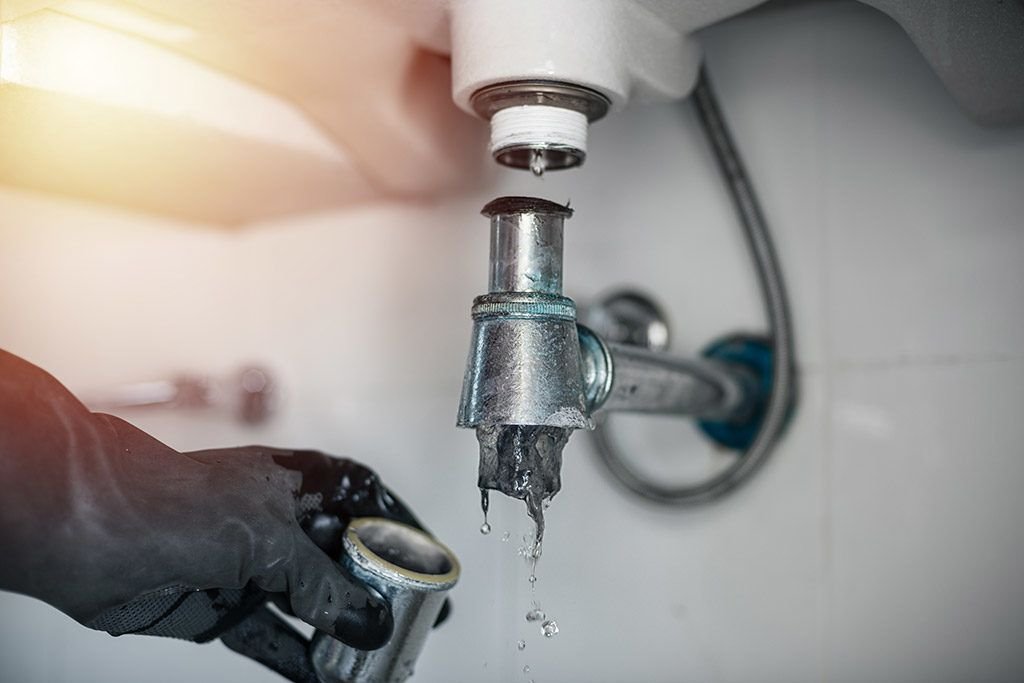
A plumbing leak is one of those problems that homeowners hope will disappear on its own—but it rarely does. Whether it’s a dripping faucet, a pipe leaking behind a wall, or a hidden water line beneath your home, delaying repairs often leads to higher repair costs and more extensive water damage.
So, how much does it cost to fix a leak in Missouri homes?
The honest answer is that the cost depends on several factors, including the location of the leak, how easy it is to access, the type of plumbing material, and whether water damage has already occurred. A small leak beneath a bathroom sink is very different from a slab leak beneath your home’s foundation.
Instead of focusing only on price, it’s important to understand what determines repair costs so you know when a simple repair may be enough—and when a larger plumbing issue needs immediate attention.
What Determines the Cost of Plumbing Leak Repairs?
No two plumbing leaks are exactly alike. Professional plumbers evaluate several factors before recommending the most appropriate repair.
The biggest cost factors include:
- Location of the leak
- Accessibility of the plumbing
- Type of pipe or plumbing fixture
- Extent of water damage
- Whether walls, ceilings, or floors need to be opened
- Age of the plumbing system
- Emergency or after-hours service
- Whether additional plumbing components require replacement
The easier the leak is to access and repair, the lower the overall repair complexity tends to be.
Leak Repair Cost Comparison by Leak Type
Although every repair is unique, some types of plumbing leaks are naturally more involved than others.
| Leak Type | Repair Complexity | Typical Cost Level | Why It Varies |
|---|---|---|---|
| Dripping Faucet | Low | Lower | Usually involves replacing worn internal parts |
| Toilet Leak | Low | Lower | May require seals, valves, or internal components |
| Under-Sink Supply Line | Moderate | Moderate | Accessibility and replacement parts affect labor |
| Hidden Wall Leak | High | Higher | May require opening drywall to reach plumbing |
| Ceiling Leak | High | Higher | Water source must be identified before repairs begin |
| Water Heater Leak | Moderate to High | Moderate–Higher | Depends on whether the issue is a fitting or the tank itself |
| Main Water Line Leak | High | Higher | Location and excavation requirements vary |
| Slab Leak | Very High | Highest | Specialized leak detection and repair methods are often needed |
Every plumbing system is different, so the best way to receive an accurate estimate is through a professional inspection.
Why Hidden Leaks Often Cost More
One of the biggest factors affecting repair costs is accessibility.
Visible plumbing leaks are usually easier to diagnose and repair because the damaged component is already exposed. Hidden leaks, however, often require additional time to locate before repairs can even begin. Leaks behind walls can be particularly difficult for homeowners to identify before visible damage appears. If you’re unsure what signs to look for, read our guide on How to Tell if a Plumbing Leak Is Behind Your Wall
Examples include:
- Pipes behind walls
- Ceiling leaks
- Plumbing beneath flooring
- Water lines under concrete slabs
- Underground service lines
The repair itself may not always be complicated, but accessing the damaged plumbing often increases the overall project.
Water Damage Can Increase Overall Costs
Repairing the plumbing leak is only one part of the process if water damage has already occurred.
Depending on how long the leak has been active, homeowners may also need repairs for:
- Drywall
- Ceiling materials
- Flooring
- Cabinets
- Baseboards
- Insulation
- Paint
- Mold remediation
This is why early leak detection is so important. Addressing a small leak promptly is often far less expensive than repairing extensive water damage later.
Signs You Shouldn’t Wait to Repair a Leak
Many plumbing leaks begin with subtle warning signs before they become obvious.
Watch for:
- Unexpected increases in your water bill
- Water stains on walls or ceilings
- Peeling paint or bubbling drywall
- Musty odors
- Damp flooring
- Low water pressure
- Running water when fixtures aren’t in use
- Mold or mildew growth
- Water collecting beneath sinks
- Wet spots around plumbing fixtures
If you notice any of these issues, scheduling a professional inspection can help identify the source before the damage becomes more severe.
Can You Repair a Plumbing Leak Yourself?
Some very minor plumbing issues can be handled by homeowners, particularly when the source of the problem is obvious.
Examples may include:
- Tightening a loose faucet handle
- Replacing a showerhead washer
- Tightening an accessible supply line connection
However, many plumbing leaks require professional diagnosis because the visible water isn’t always coming from the actual source.
Leaks inside walls, ceilings, crawl spaces, or beneath foundations should always be evaluated by an experienced plumber.
Should You Repair or Replace Plumbing Fixtures?
Sometimes repairing an older plumbing fixture isn’t the most cost-effective long-term solution.
Replacement may be the better option when:
- Repairs have become frequent.
- Fixtures are heavily corroded.
- Replacement parts are no longer available.
- Water efficiency can be improved.
- The fixture has reached the end of its expected lifespan.
An experienced plumber can explain both options so you can make an informed decision based on your home’s plumbing system.
Missouri Homes Face Unique Plumbing Challenges
Homes throughout Missouri experience plumbing issues that may not affect every part of the country.
Some of the most common include:
Aging Plumbing Systems
Older homes may contain galvanized steel or aging copper pipes that become more susceptible to corrosion and leaks over time.
Hard Water
Mineral deposits can accumulate inside fixtures, valves, and water heaters, gradually reducing efficiency and contributing to premature wear.
Freezing Winter Temperatures
Frozen pipes remain one of the leading causes of burst plumbing lines during Missouri winters. Proper insulation and routine maintenance can help reduce this risk.
Different Foundation Types
Some homes have basements, while others are built on concrete slabs. Leak detection and repair methods often vary depending on the home’s construction.
How to Reduce Future Plumbing Repair Costs
Preventive maintenance is one of the best ways to avoid expensive plumbing repairs.
Homeowners can reduce the risk of future leaks by:
- Inspecting plumbing fixtures regularly
- Fixing small leaks promptly
- Replacing aging supply lines during remodeling projects
- Monitoring water pressure
- Keeping drains flowing properly
- Scheduling routine plumbing inspections
- Knowing where the main water shut-off valve is located
- Addressing water heater maintenance before problems develop
Preventive maintenance often costs far less than repairing extensive water damage after a leak has gone unnoticed.
Why Professional Leak Detection Matters
Not every plumbing leak is immediately visible. Water can travel behind walls, beneath flooring, or through ceilings before signs appear inside your home.
Professional plumbers use experience, systematic troubleshooting, and specialized equipment when necessary to identify the true source of a leak. Finding the problem early helps prevent unnecessary damage and ensures the repair addresses the actual cause rather than just the visible symptoms.
Frequently Asked Questions
Is a plumbing leak considered an emergency?
Some leaks require immediate attention, particularly if water cannot be shut off, flooding is occurring, or a burst pipe is involved. Smaller leaks should still be repaired promptly to prevent additional damage.
Will homeowners insurance cover plumbing leak repairs?
Coverage depends on your individual policy and the cause of the leak. Sudden accidental damage may be covered, while long-term neglect typically is not. Check with your insurance provider for specific details.
Can a small leak really increase my water bill?
Yes. Even a slow, continuous leak can waste a significant amount of water over time, resulting in higher utility bills.
How do plumbers find hidden leaks?
Depending on the situation, plumbers may perform a visual inspection, pressure testing, moisture detection, or other diagnostic methods to locate the source of the leak before beginning repairs.
Is it better to repair or replace old plumbing?
If plumbing components are aging, frequently leaking, or nearing the end of their service life, replacement may provide greater long-term reliability than repeated repairs.
Protect Your Home Before a Small Leak Becomes a Major Repair
A plumbing leak rarely improves on its own. Whether it’s a dripping faucet, a hidden pipe behind a wall, or a water heater connection beginning to fail, addressing the issue early can help prevent costly repairs and unnecessary water damage.
At Arch Plumbing, we proudly help homeowners throughout St. Charles County and the St. Louis Metro Area diagnose and repair residential plumbing leaks with honest recommendations and quality workmanship. If you’ve noticed signs of a plumbing leak or simply want peace of mind, contact our team to schedule a professional inspection.
Let’s Book Your Appointment
Fill out the form below and our team will contact you shortly to confirm your appointment.




