
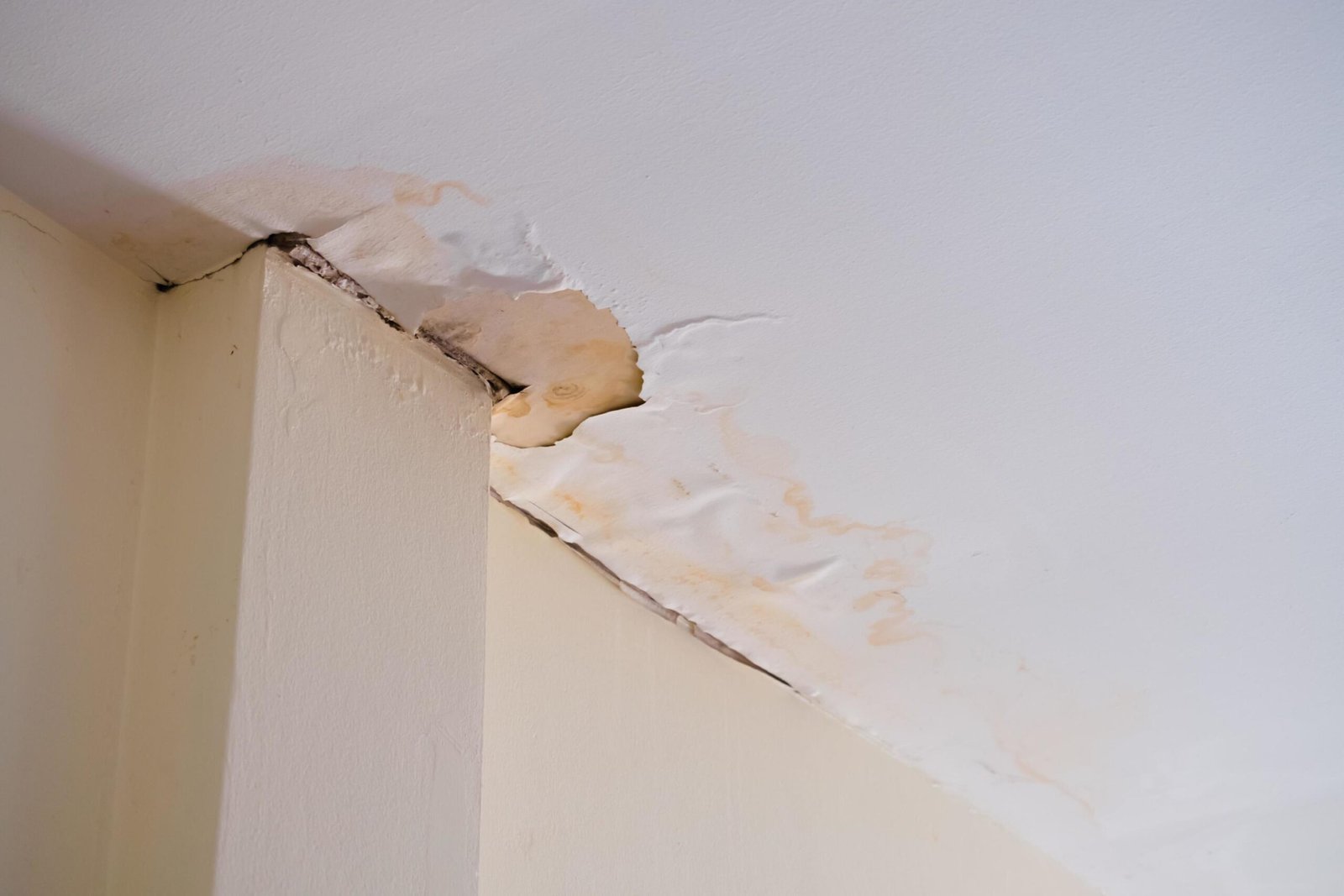
Noticing a brown or yellow water spot on your ceiling can be concerning, especially if it seems to appear without warning. While it may look like a minor cosmetic issue, a ceiling stain often signals that moisture is collecting somewhere above the drywall. Ignoring the problem could allow water damage to spread, weaken building materials, and even encourage mold growth.
Although roof leaks are one possible cause, many ceiling water spots actually originate from hidden plumbing issues. Bathrooms, kitchens, laundry rooms, and water heaters located on upper floors are common sources of leaks that eventually become visible as stains on the ceiling below.
Understanding what causes these water spots can help you take action before the damage becomes more extensive and expensive to repair.
Not Every Ceiling Water Spot Comes From the Roof
One of the biggest misconceptions homeowners have is assuming every ceiling stain is caused by a damaged roof. While roof leaks certainly happen, the location of the stain often provides an important clue.
For example:
- A stain beneath an upstairs bathroom may point to a leaking toilet, shower, or water supply pipe.
- A stain below the kitchen could indicate a leaking sink drain or water line.
- Water spots beneath a laundry room may be caused by washing machine supply hoses or drain connections.
- Stains near a utility room could be related to a leaking water heater or nearby plumbing.
Determining where the stain is located is often the first step toward identifying the source of the problem.
Common Plumbing Problems That Can Cause Ceiling Water Spots
Hidden Water Supply Pipe Leaks
Water supply lines run behind walls and between floors to deliver fresh water throughout your home. If one of these pipes develops a crack, loose connection, or pinhole leak, water can slowly soak into insulation and drywall before becoming visible on the ceiling below.
These leaks often develop gradually, making them difficult to detect until staining or moisture appears. A professional Residential Plumbing inspection can help locate hidden leaks and repair damaged pipes before they cause more extensive water damage.
Leaking Shower Valves
Your shower valve controls both water flow and temperature. Over time, internal seals and components can wear out, allowing water to escape inside the wall every time the shower is used.
Because the leak remains hidden, homeowners often notice ceiling stains downstairs before realizing the shower valve is the source. Repairing worn Shower Valves or replacing damaged Shower Valve Cartridges can stop the leak and help prevent further damage behind your walls.
Damaged Shower Pans
A shower pan forms the waterproof base beneath your shower floor. If it develops cracks or the waterproof seal fails, water can slowly leak into the subfloor and eventually stain the ceiling below.
Unlike plumbing pipe leaks, shower pan leaks often become noticeable only after someone showers, making them difficult to identify without a careful inspection. If the shower pan has been damaged, professional Shower Pan repair or replacement can help protect your bathroom and the rooms below from ongoing water intrusion.
Toilet Leaks Around the Base or Wax Ring
A failing wax ring beneath a toilet can allow water to seep into the flooring every time the toilet is flushed. Over time, this moisture can penetrate the subfloor and appear as a ceiling stain in the room below.
In some cases, the leak is so gradual that homeowners don’t notice it until significant water damage has already occurred. Scheduling Toilet Repair as soon as you notice signs of a leak can help prevent additional structural damage and costly repairs.
Faucet or Sink Plumbing Leaks
Kitchen and bathroom sinks contain multiple water supply connections and drain fittings that can loosen or wear out over time. Small drips beneath cabinets may eventually travel through the floor system and become visible as ceiling stains underneath.
Even a slow leak can damage cabinets, flooring, and drywall if it goes unnoticed. Prompt Faucet Repair and professional Kitchen Plumbing services can resolve these issues before they spread beyond the affected area.
Water Heater Leaks
If your water heater is installed on an upper floor or in a utility closet above finished living space, a leaking tank or loose plumbing connection can allow water to spread into surrounding building materials.
Homeowners should never ignore moisture around a water heater, as small leaks can quickly become larger plumbing problems. If you notice water collecting around your unit, professional Water Heater Installation or replacement may be necessary, depending on the condition and age of the system.
Signs the Water Spot May Be Getting Worse
A ceiling stain rarely stays the same if the source of the leak isn’t repaired. Watch for warning signs such as:
- The stain continues to grow larger.
- Paint begins bubbling or peeling.
- Drywall feels soft or begins sagging.
- A musty odor develops nearby.
- Mold or mildew becomes visible.
- Water starts dripping from the ceiling.
These symptoms usually indicate that moisture is continuing to enter the area and should be addressed promptly.
What Should You Do If You Notice a Ceiling Water Spot?
If you discover a new water stain, avoid simply painting over it. The stain is only a symptom—the underlying leak still needs to be found and repaired.
Instead:
- Observe whether the stain changes after someone showers, flushes a toilet, or uses plumbing fixtures upstairs.
- Check visible plumbing connections for signs of moisture.
- Monitor whether the stain continues to grow.
- If the source isn’t obvious, schedule a professional plumbing inspection before additional damage occurs.
Addressing the issue early often helps prevent more extensive repairs later.
When It’s Time to Call a Professional Plumber
Hidden plumbing leaks are not always easy to locate without experience. Water can travel along framing and pipes before finally appearing on a ceiling, making the visible stain different from the actual source of the leak.
At Arch Plumbing, we help homeowners throughout St. Charles County and the St. Louis Metro Area identify plumbing leaks and provide dependable repair solutions. Whether the issue involves a leaking pipe, shower valve, toilet, faucet, or another plumbing component, our experienced team works to identify the cause and recommend the right repair for your home.
Frequently Asked Questions
Does a ceiling water spot always mean a plumbing leak?
No. Roof leaks, HVAC condensation, and plumbing leaks can all cause ceiling stains. The location of the stain and when it appears often provide important clues.
Is it safe to ignore a small ceiling stain?
No. Even a small stain may indicate an active leak that can lead to water damage, mold growth, and costly repairs if left unresolved.
Can a leaking toilet cause a ceiling stain downstairs?
Yes. A damaged wax ring or leaking water connection can allow moisture to penetrate the floor and appear on the ceiling below.
Can shower leaks damage the ceiling below?
Yes. Leaking shower valves, cracked shower pans, or plumbing inside the wall can all result in ceiling water stains.
Should I paint over the stain?
Painting over the stain without repairing the source only hides the visible damage. The underlying leak should always be identified and repaired first.
Protect Your Home Before a Small Leak Becomes Major Water Damage
A ceiling water spot is often your home’s way of warning you that something isn’t right. Whether the problem is a hidden pipe leak, a faulty shower valve, a leaking toilet, or another plumbing issue, addressing it early can help prevent expensive water damage and protect your home’s plumbing system.
If you’ve noticed a ceiling water spot and suspect it may be related to your plumbing, Arch Plumbing is here to help. Our experienced team provides reliable residential plumbing services throughout St. Charles County and the St. Louis Metro Area. We’ll inspect the problem, identify the source of the leak, and recommend the most effective repair to restore your home’s plumbing with confidence.
Let’s Book Your Appointment
Fill out the form below and our team will contact you shortly to confirm your appointment.




