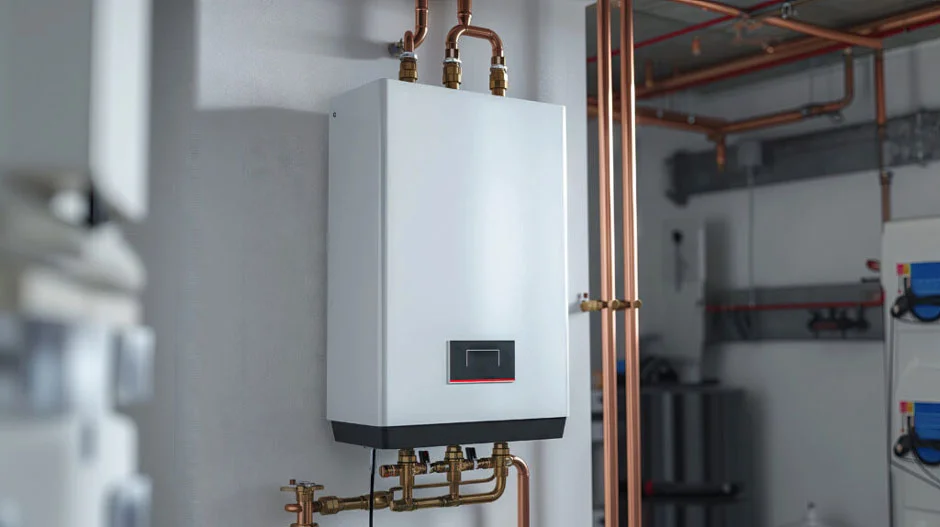
When buying a home, it’s easy to get caught up in excitement about the kitchen, the backyard, or the number of bedrooms. However, one essential appliance deserves just as much attention: the water heater.
Often overlooked, the water heater plays a crucial role in your everyday comfort and the long-term functionality of your home. Let’s dive into why it’s essential to consider your water heater when buying a home and how to maintain it for optimal performance.
Why the Water Heater Matters
1. Everyday Comfort
Imagine waking up to a cold shower in the middle of winter. Sounds unpleasant, right? A reliable water heater ensures that you have access to hot water whenever you need it, whether for a relaxing bath, doing laundry, or washing dishes. This is why it’s vital to understand the condition of the water heater before making a purchase.
2. Energy Efficiency and Utility Bills
Water heaters are one of the highest energy-consuming appliances in your home. Depending on the type and age of the water heater, your monthly utility bills could fluctuate. Older, inefficient models can cost more to run, while modern, energy-efficient heaters can help you save money in the long run. Checking the water heater’s energy efficiency is important to avoid unexpected utility costs after moving in.
3. Avoid Expensive Repairs and Replacements
A faulty water heater can lead to expensive repairs or even full replacements. Understanding its age, condition, and type before buying a home can save you from dealing with a sudden and costly failure shortly after moving in.
What to Look for When Buying a Home
1. Age of the Water Heater
Like any major appliance, water heaters have a lifespan. On average, a traditional tank water heater lasts 10 to 15 years. If you’re buying an older home, ask about the age of the water heater. If it’s nearing the end of its life, you may need to budget for a replacement sooner rather than later.
2. Type of Water Heater
There are different types of water heaters: traditional tank-style heaters and modern tankless (on-demand) systems. Traditional models store hot water in a tank, while tankless heaters heat water on demand. Tankless models tend to be more energy-efficient but have higher upfront costs. Understanding which system is in place can help you anticipate future maintenance needs and potential upgrades.
3. Location and Condition
The water heater should be located in a well-ventilated space to prevent potential safety hazards like gas leaks or carbon monoxide buildup. During the home inspection, ensure that the area around the heater is dry and free from leaks. Dampness or rust around the heater could indicate a problem that needs immediate attention.
Signs Your Water Heater Needs Attention
Even if the water heater seems to be functioning well, it’s important to be aware of signs that it may be time for maintenance or replacement:
- Inconsistent Water Temperature: Fluctuating water temperature can signal a malfunctioning thermostat or heating element.
- Strange Noises: Rumbling or popping sounds often mean sediment has built up inside the tank. This can cause inefficiency and even lead to tank damage.
- Discolored Water: Rusty or cloudy water could indicate corrosion inside the tank.
- Leaks: Water pooling around the heater may suggest a leak, which could lead to further damage if not addressed quickly.
How to Maintain Your Water Heater
Proper maintenance can extend the life of your water heater and prevent costly repairs. Here are some simple tips to keep your heater running smoothly:
1. Annual Inspection
Once a year, inspect the water heater for any signs of wear or damage. Check for leaks, rust, and unusual sounds. It’s also wise to schedule a professional inspection to ensure everything is in good working order.
2. Flush the Tank Regularly
Sediment can build up inside the tank over time, reducing efficiency and potentially damaging the unit. Flushing the tank once a year removes this buildup and helps the heater function at its best.
3. Set the Thermostat to 120°F (49°C)
To avoid scalding and reduce energy costs, set the thermostat to 120°F. This temperature is ideal for most household uses and prevents the water heater from working harder than necessary.
4. Replace the Anode Rod
The anode rod helps prevent rust and corrosion inside the tank. Over time, it can degrade and need replacement. Check it every few years and replace it if it’s worn out to ensure the longevity of your water heater.
5. Insulate the Heater and Pipes
If your water heater is in a space that tends to get cold, consider insulating both the tank and the pipes. This can reduce energy loss and improve the heater’s efficiency, saving you money on energy bills.
Conclusion
When buying a home, don’t overlook the water heater. It’s a crucial part of your daily life and can have a significant impact on your comfort and utility costs. By understanding the age and condition of the water heater, as well as performing regular maintenance, you can avoid expensive repairs and ensure that your heater runs efficiently for years to come.
Before making any final decisions, make sure to have a professional inspect the water heater, especially if it’s nearing the end of its expected lifespan. A little attention now can go a long way in preventing issues down the road.
Arch Plumbing, located in St. Charles, Missouri, has been providing quality plumbing services since 2008.