
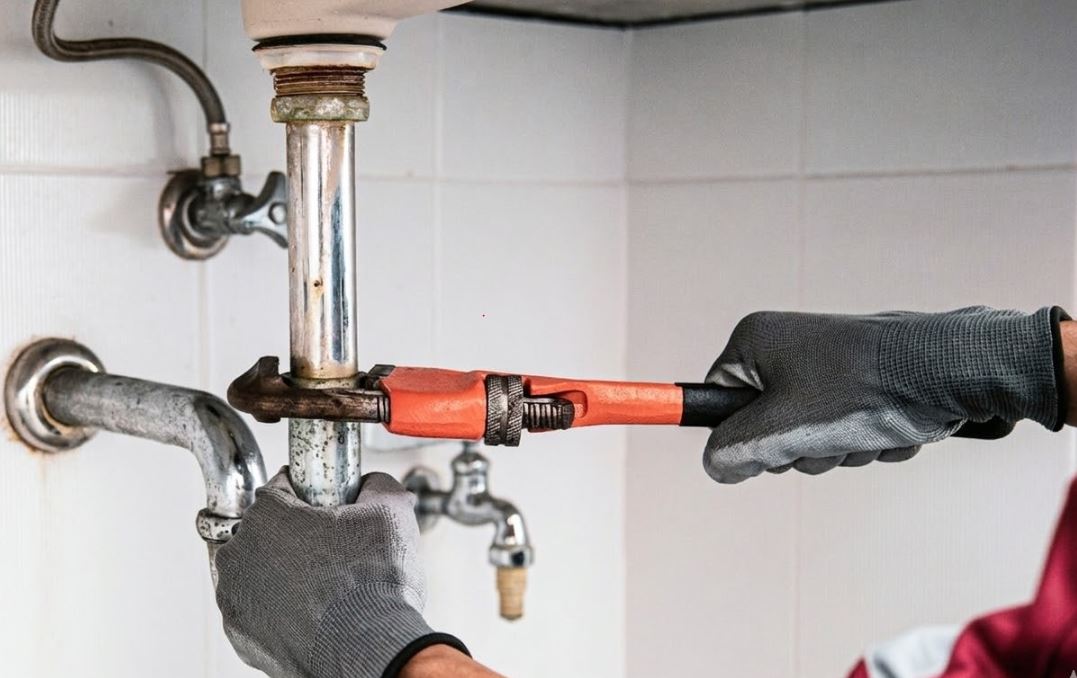
The winter passes, and the temperatures are on the increase, and in this context, spring is warmer, with flowers blooming, and regrettably, homeowners have another list of plumbing problems. When a season is over, pipes, water heaters, drains, and sewer lines may be put under stress due to fixing the pipes, water heaters, drains, and sewer lines that had been put under cold conditions for months.
The homeowners within St. Charles County such as those in the community of Wentzville, O’Fallon, St. Peters, Lake St. Louis, etc. usually suffer some problems with plumbing during the spring months.
Being aware of these seasonal plumbing problems would enable you to identify problems at an early stage to avoid costly repairs in the future. This guide is going to discuss the most prevalent spring plumbing issues in the region and how individuals could maintain their plumbing systems.
Why Spring Causes Plumbing Problems
In winter, pipes and plumbing elements freeze, experience high pressure and high distribution inside. With the spring temperatures elevated and snow melting, the result may be an uncovered destruction caused in those colder months.
Common seasonal factors that affect plumbing include:
- Ground shifting from freeze-thaw cycles
- Increased rainfall and groundwater
- Tree root growth
- Heavy water usage outdoors
- Hidden pipe damage from winter
These conditions can stress your plumbing system and lead to leaks, clogs, or sewer issues.
1. Frozen Pipes That Begin Leaking
Although the bursting of pipes may not occur during winter, the freezing can wear them down. As temperatures warm in spring, damaged sections may begin to leak.
Homeowners should watch for warning signs such as:
- Damp spots on walls or ceilings
- Reduced water pressure
- Mold or musty odors
- Unexplained water stains
Small leaks may also cause structural damages when not taken care of.
Older homes in the St. Charles County neighborhoods might be particularly prone to damage due to frozen pipes since the plumbing systems are more susceptible to this kind of damage in old age.
2. Sewer Line Problems Caused by Tree Roots
The spring is the season of growth of trees and plants. The roots of trees do pre-disposed hunt and seek water, and sewer lines dug underground offer a perfect source of water.
Even having a small crack on a sewer pipe, roots may enter it and grow inside it.
This can lead to:
- Slow drains throughout the house
- Gurgling sounds from pipes
- Sewer odors inside the home
- Sewage backups
Sewer line problems often start gradually but can quickly become serious if not addressed.
Professional plumbers often use camera inspections to locate root intrusion and determine the best solution.
3. Sump Pump Failures
Spring storms and melting snow increase groundwater levels. This makes sump pumps extremely important for preventing basement flooding.
Unfortunately, many homeowners discover their sump pump has failed only after water begins entering the basement.
Common sump pump issues include:
- Power failures
- Float switch malfunctions
- Clogged discharge lines
- Worn-out pumps
Testing your sump pump before the heavy spring rain season begins can prevent costly water damage.
4. Clogged Drains After Winter
During winter months, drains often handle heavier use as families spend more time indoors. Cooking, showers, and laundry increase buildup inside pipes.
By spring, this buildup can create slow drains or recurring clogs.
Common causes include:
- Grease and food particles in kitchen drains
- Hair and soap residue in bathroom drains
- Mineral buildup from hard water
If drains throughout your home begin slowing down at the same time, it may indicate buildup deeper within your plumbing system.
Professional drain cleaning can remove accumulated debris and restore normal water flow.
5. Outdoor Faucet and Hose Bib Damage
Outdoor faucets are particularly vulnerable to winter freezing. Even when properly shut off, freezing temperatures can crack pipes or hose bib connections.
When spring arrives and homeowners reconnect garden hoses, leaks often appear.
Signs of outdoor plumbing damage include:
- Water leaking from exterior walls
- Reduced water pressure at outdoor faucets
- Water pooling near exterior pipes
Inspecting outdoor faucets before heavy spring watering begins can help detect these issues early.
6. Water Heater Stress From Seasonal Changes
During winter, water heaters work harder due to colder incoming water temperatures and increased household demand.
By spring, this heavy workload may begin to reveal signs of wear.
Common water heater problems that appear after winter include:
- Reduced hot water supply
- Strange noises from the tank
- rusty or discolored water
- fluctuating water temperatures
These symptoms may indicate sediment buildup or aging components within the water heater.
Routine inspections can help determine whether the system requires maintenance or replacement.
7. Hidden Plumbing Leaks
Spring is a common time for homeowners to discover leaks that developed during the winter months.
Temperature fluctuations can cause pipe joints and fittings to loosen slightly. Over time, even small leaks can cause significant water damage.
Signs of hidden plumbing leaks include:
- Higher water bills
- Damp drywall or flooring
- Musty smells in certain rooms
- Mold or mildew growth
Early detection is key to preventing major structural damage.
How Homeowners Can Prevent Spring Plumbing Problems
While some plumbing issues are unavoidable, regular maintenance can dramatically reduce the likelihood of major problems.
Simple preventative steps include:
Inspect Pipes for Visible Damage
Check exposed pipes in basements, crawlspaces, and utility areas for cracks or leaks.
Test Your Sump Pump
Pour water into the sump pit to ensure the pump activates properly.
Check Outdoor Faucets
Turn on outdoor faucets slowly and watch for leaks inside the home.
Clear Slow Drains Early
Address slow drains before they develop into complete blockages.
Schedule a Plumbing Inspection
Professional inspections can identify hidden issues before they become expensive repairs.
Why Local Plumbing Experience Matters
Every region experiences unique plumbing challenges based on climate, soil conditions, and infrastructure.
Homes in St. Charles County experience seasonal freeze-thaw cycles that can place stress on plumbing systems.
Working with a trusted local plumbing company ensures your home receives solutions tailored to these conditions.
The experienced team at Arch Plumbing understands the common plumbing problems homeowners face in the region and provides reliable plumbing services to keep plumbing systems functioning properly year-round.
When to Call a Professional Plumber
While some minor plumbing issues can be handled with simple fixes, certain situations require professional expertise.
You should contact a plumber if you notice:
- Persistent leaks
- Multiple clogged drains
- Sewer odors
- sump pump failure
- water heater problems
- sudden drops in water pressure
Prompt service can prevent minor issues from turning into major plumbing emergencies.
Protect Your Home This Spring
Spring is the perfect time to inspect your plumbing system and address any issues that may have developed during winter.
Taking proactive steps can prevent costly repairs and protect your home from water damage.
Homeowners across Wentzville, O’Fallon, St. Peters, and surrounding communities trust Arch Plumbing for reliable plumbing inspections, repairs, and maintenance.
A professional plumbing checkup can ensure your home is ready for the warmer months ahead.
Frequently Asked Questions
Why do plumbing problems appear in spring?
Spring weather causes ground movement, increased rainfall, and tree root growth, which can expose plumbing damage that occurred during winter.
How do I know if my pipes were damaged during winter?
Look for water stains, reduced pressure, unusual pipe noises, or musty odors that may indicate hidden leaks.
Should sump pumps be tested in spring?
Yes. Testing your sump pump before heavy spring rains ensures it will function properly during storms.
How often should plumbing systems be inspected?
A professional plumbing inspection once every one to two years helps detect small issues before they become expensive repairs.
Let’s Book Your Appointment
Fill out the form below and our team will contact you shortly to confirm your appointment.




