
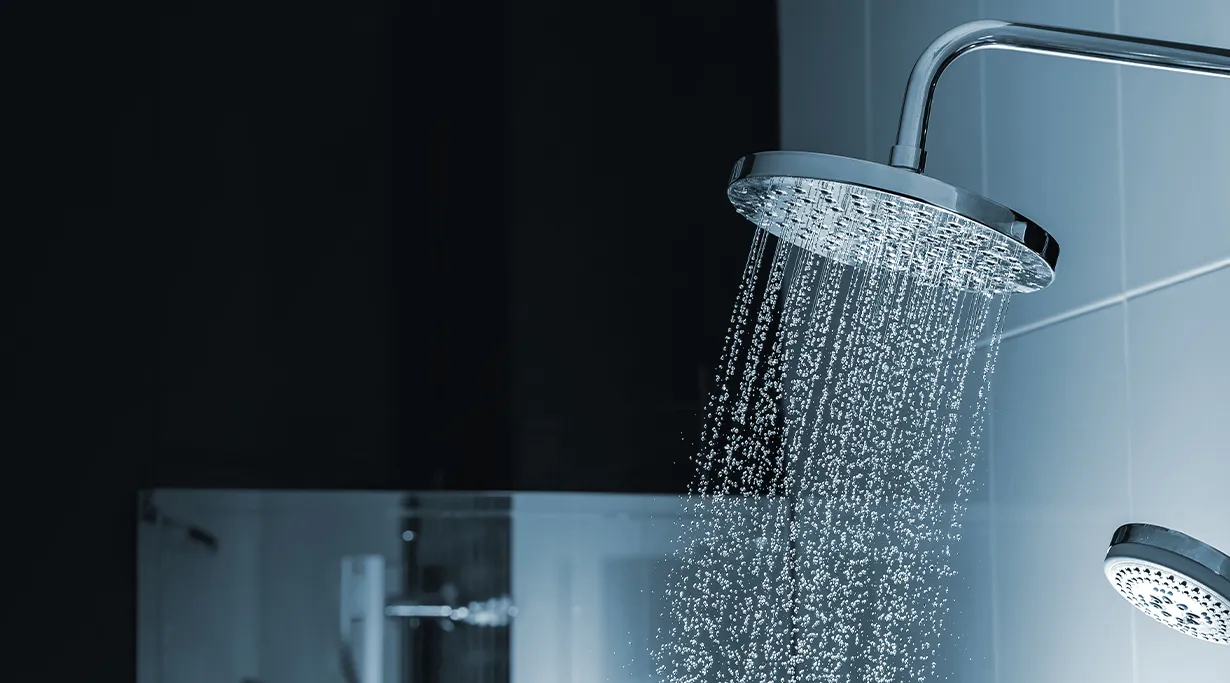
Have you noticed that your shower has weak water pressure while the kitchen and bathroom faucets still have normal flow?
If so, the problem may not be with your home’s overall water pressure.
When only the shower is affected, the cause is often closer to the fixture itself. Mineral buildup, a clogged showerhead, a partially restricted valve, or a worn shower valve cartridge can all reduce the amount of water reaching the shower.
This distinction matters because replacing or adjusting the home’s main water-pressure components may not solve a problem that is isolated to one shower.
At Arch Plumbing, we help homeowners throughout St. Louis and St. Charles County identify the cause of plumbing problems and determine the appropriate repair.
Here’s what may be causing your shower to lose pressure while other faucets continue working normally.
Why Is Only My Shower Losing Water Pressure?
If other faucets have strong water flow, your home’s main water supply may not be the primary problem.
Instead, something may be restricting water flow between the plumbing supply and the showerhead.
The most common possibilities include:
- Mineral buildup in the showerhead
- A partially clogged showerhead
- A restricted shower valve
- A worn shower valve cartridge
- A problem with the shower’s internal components
- A partially closed supply valve
- Plumbing buildup near the shower
- A restriction within the shower piping
The first step is determining whether the pressure problem is actually at the shower or somewhere farther back in the plumbing system.
1. Mineral Buildup in the Showerhead
One of the easiest things to overlook is the showerhead itself.
Over time, minerals and other deposits can accumulate inside the small openings where water exits the showerhead.
As those openings become restricted, less water may flow through them.
You may notice:
- Weak spray
- Uneven water flow
- Some showerhead openings barely producing water
- A gradual decrease in pressure
- Better water pressure from other faucets
If the shower gradually became weaker rather than suddenly losing pressure, buildup is one possibility worth considering.
However, if cleaning the showerhead doesn’t restore normal flow, the problem may be farther inside the shower plumbing.
2. The Shower Valve May Be Restricting Flow
The shower valve controls the water entering and mixing within the shower system.
If the valve develops an internal problem or becomes restricted, water flow can decrease even when other fixtures throughout the house work normally.
This can happen as components wear over time or as mineral deposits affect internal passages.
A valve problem becomes more likely if:
- The shower pressure has gradually declined
- Adjusting the handle doesn’t produce normal flow
- The shower has inconsistent water flow
- The shower temperature is also behaving differently
- The faucet or valve is older
Because the valve is part of the plumbing system inside the wall, diagnosing the issue may require more than simply cleaning the showerhead.
3. A Shower Valve Cartridge May Be Worn or Restricted
Many shower systems use a cartridge to control water flow and temperature.
Over time, cartridges can wear out or become affected by mineral buildup.
A failing cartridge may cause more than low pressure. You might also notice:
- Difficulty adjusting the temperature
- Water that doesn’t get as hot or cold as expected
- A shower handle that feels different
- Reduced flow
- Dripping from the shower valve
- Inconsistent water temperature
If other fixtures have normal water pressure but one shower doesn’t, the shower valve cartridge is worth considering.
Arch Plumbing provides shower valve cartridge service for homeowners dealing with these types of problems.
4. A Partially Closed Valve Could Be Limiting Flow
Sometimes the cause is simpler.
A supply valve associated with the shower or plumbing system may not be fully open.
This can happen after previous plumbing work, maintenance, or repairs.
If the problem began suddenly after another plumbing project, checking accessible valves may help identify the cause.
However, homeowners shouldn’t force a valve that is stuck, corroded, or difficult to operate. Forcing an old valve can potentially create a leak or damage the component.
5. Plumbing Buildup May Be Restricting Water Flow
Mineral buildup doesn’t always occur at the showerhead.
Deposits can also affect plumbing components and passages within the shower system.
This is particularly worth considering when:
- The showerhead has already been cleaned
- Other faucets have normal pressure
- The shower pressure has gradually declined
- The plumbing or fixtures are older
- The problem keeps returning
If the restriction is inside the plumbing or valve assembly, replacing the showerhead alone may not solve the problem.
How to Narrow Down the Problem
You can perform a few simple observations before calling a plumber.
Check another shower
If another shower has normal pressure, the problem is probably isolated to the affected shower.
Check the bathroom sink
Turn on the nearby sink and compare its water flow.
If the sink has normal pressure while the shower is weak, the problem may be specific to the shower system.
Remove and inspect the showerhead
If you’re comfortable doing so, inspect the showerhead for visible mineral deposits or blocked openings.
If the shower still has poor flow without the showerhead, the restriction may be farther back in the plumbing.
Pay attention to temperature
If low pressure occurs along with inconsistent water temperature, a shower valve or cartridge problem becomes more likely.
Think about when the problem started
A gradual decrease can point toward buildup or component wear.
A sudden change may indicate a valve problem, restriction, or another plumbing issue.
These observations can help narrow down the possibilities, but they don’t necessarily identify the exact cause.
Why Is My Shower Pressure Low Only When I Use Hot Water?
If the shower has acceptable cold-water flow but becomes weak when you turn the temperature toward hot, the problem may involve the hot-water side of the shower system.
Possible causes can include:
- A restricted valve
- A worn cartridge
- Mineral buildup
- A problem with the hot-water supply
- A plumbing restriction
If other hot-water fixtures have normal flow, the problem may be isolated to the shower valve or cartridge.
That distinction can help a plumber determine where to investigate.
What If the Shower Pressure Suddenly Drops?
A sudden loss of pressure deserves more attention than a gradual decrease.
If the shower was working normally and suddenly becomes weak, consider whether:
- Plumbing work was recently performed
- A valve was adjusted
- The showerhead became blocked
- The shower valve developed a problem
- Another plumbing issue occurred at the same time
If the pressure loss is significant or accompanied by leaking, unusual noises, or changes in water temperature, professional inspection is recommended.
Should You Replace the Showerhead?
Not necessarily.
If the showerhead is clogged with mineral buildup or is simply old, replacement may improve water flow.
But replacing the showerhead won’t solve a restriction inside the shower valve or plumbing.
That’s why it’s useful to determine where the restriction is occurring before buying a replacement fixture.
If a new showerhead doesn’t improve the pressure, the underlying problem may still need professional attention.
When Should You Call a Plumber?
You may be able to address a dirty showerhead yourself, but professional help is appropriate when the problem continues or appears to involve the plumbing behind the wall.
Consider calling a plumber if:
- Cleaning the showerhead doesn’t improve flow
- The shower suddenly loses pressure
- Water pressure is inconsistent
- The shower temperature changes unexpectedly
- The shower valve is leaking
- The shower handle is difficult to operate
- You suspect a cartridge problem
- The problem keeps returning
- You notice signs of a plumbing leak
A plumber can determine whether the issue involves the showerhead, valve, cartridge, supply, or another part of the plumbing system.
Can Hard Water Cause Low Shower Pressure?
Hard water can contribute to mineral deposits that restrict small openings and plumbing components.
The showerhead is particularly vulnerable because its water outlets are small. Over time, mineral deposits can reduce the amount of water that passes through.
However, hard water isn’t automatically the explanation for every low-pressure shower.
If cleaning or replacing the showerhead doesn’t resolve the problem, another component may be responsible.
Don’t Ignore a Shower That Keeps Losing Pressure
A weak shower may seem like a minor inconvenience, especially when the rest of the home’s faucets are working normally.
But if the pressure continues getting worse, the problem may indicate a restricted or worn component.
Addressing the issue early can help you avoid repeatedly replacing parts that aren’t actually causing the problem.
The key is to determine where the water flow is being restricted.
Shower Plumbing Help for St. Louis & St. Charles County Homeowners
When only one shower has low water pressure, the problem is often localized rather than a whole-house water-pressure issue.
A clogged showerhead may be easy to address, while a restricted shower valve or worn cartridge may require professional service.
Arch Plumbing is a family-owned plumbing company serving homeowners throughout St. Louis and St. Charles County. Our family has more than 60 years of master plumber experience, and Arch Plumbing has been serving local homeowners since 2008.
We provide residential plumbing services including shower valve cartridges, shower valves, faucet repair, faucet installation, and other plumbing repairs.
If your shower is losing water pressure while other faucets continue working normally, contact Arch Plumbing to identify the cause and find the right solution.
Frequently Asked Questions
Why is my shower pressure low but my sink pressure is fine?
When the sink has normal water pressure but the shower does not, the problem may be isolated to the showerhead, shower valve, cartridge, or plumbing supplying that fixture.
Can a clogged showerhead cause low water pressure?
Yes. Mineral deposits and debris can restrict the small openings in a showerhead and reduce water flow.
How do I know if my shower valve cartridge is bad?
A worn or restricted cartridge can cause low flow, inconsistent temperature, difficulty adjusting the shower, or dripping around the valve. A plumber can inspect the valve and determine whether the cartridge needs service or replacement.
Should I replace my showerhead if the water pressure is low?
Only if the showerhead is actually causing the restriction. If the problem is inside the shower valve or plumbing, replacing the showerhead may not solve the issue.
Why does my shower have low pressure only on hot water?
If cold-water flow is normal but hot-water flow is weak, the restriction may be related to the hot-water side of the shower valve, cartridge, or supply piping.
Can hard water reduce shower pressure?
Yes. Mineral deposits associated with hard water can restrict showerheads and other plumbing components over time.
When should I call a plumber for low shower pressure?
If cleaning the showerhead doesn’t help, the pressure suddenly changes, the shower valve leaks, the temperature becomes inconsistent, or the problem keeps returning, professional plumbing service can help identify the cause.
Need Help With Low Shower Pressure?
If your shower isn’t providing the water flow it used to, don’t automatically assume the entire home’s water pressure is the problem.
Arch Plumbing provides shower valve cartridge and residential plumbing services throughout St. Louis and St. Charles County.
Contact Arch Plumbing to schedule service.
Let’s Book Your Appointment
Fill out the form below and our team will contact you shortly to confirm your appointment.




