
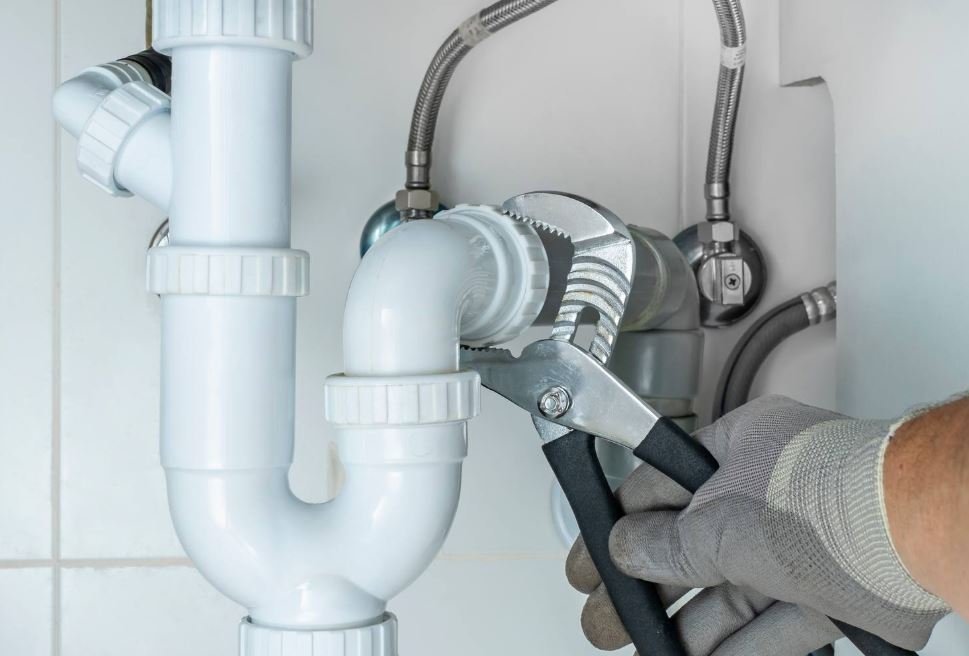
Why Annual Plumbing Maintenance Matters
Many plumbing problems develop gradually. Mineral buildup, worn seals, aging valves, and slow leaks often go unnoticed until they begin affecting your home’s plumbing performance.
Routine maintenance can help:
- Detect small leaks before they cause water damage
- Improve water efficiency
- Extend the life of plumbing fixtures
- Reduce emergency plumbing repairs
- Protect your water heater
- Prevent recurring drain clogs
- Maintain consistent water pressure
- Save money on future repairs
Taking a proactive approach helps homeowners avoid costly surprises while keeping their plumbing system operating reliably.
Your Annual Plumbing Maintenance Checklist
✔ Inspect Faucets for Leaks
Check every kitchen, bathroom, laundry room, and outdoor faucet for dripping water or moisture around the base.
Even a slow drip can waste a surprising amount of water over time while increasing your utility bill. If tightening the handle doesn’t solve the problem, professional Faucet Repair may be needed to replace worn components before the leak becomes worse.
✔ Test Toilets for Hidden Leaks
Toilets can leak without making obvious noise or leaving visible water on the floor.
Watch for:
- Constant running water
- Frequent refilling
- Moisture around the base
- Loose toilets
- Higher-than-normal water bills
Prompt Toilet Repair helps prevent unnecessary water waste and protects your flooring from hidden damage.
✔ Check Under Sinks
Open the cabinets beneath every sink and inspect:
- Shut-off valves
- Water supply lines
- Drain connections
- Cabinet flooring
Small leaks often begin here and may remain unnoticed until cabinets or flooring become damaged.
✔ Look for Water Stains on Walls and Ceilings
Discolored ceilings, bubbling paint, peeling wallpaper, or soft drywall may indicate a hidden plumbing leak.
If you notice these warning signs, don’t simply repaint the area. Identifying the source of the moisture is essential to preventing additional water damage.
✔ Clean Slow Drains Before They Become Clogged
Slow drains usually indicate that debris is beginning to accumulate inside the pipe.
Watch for:
- Standing water
- Gurgling sounds
- Slow drainage
- Unpleasant odors
Professional Drain Cleaning & Clogged Drain Removal can remove buildup before it develops into a complete blockage.
✔ Inspect Your Water Heater
Your water heater should be inspected at least once each year.
Look for:
- Rust around fittings
- Water pooling beneath the tank
- Corrosion
- Unusual noises
- Reduced hot water
If your water heater shows signs of wear, professional Water Heater Installation or replacement may be the most reliable long-term solution.
✔ Check Your Expansion Tank
If your home has an expansion tank, inspect it for visible corrosion, water leakage, or signs of damage.
A properly functioning Expansion Tank helps protect your water heater and plumbing system from excessive pressure.
✔ Test Your Main Water Shut-Off Valve
Many homeowners don’t realize their shut-off valve has seized until they need it during an emergency.
Operate the valve carefully once each year to confirm it moves properly.
If it becomes difficult to operate or shows signs of corrosion, replacing the Main Water Shut-Off Valve before an emergency occurs can save valuable time and reduce water damage.
✔ Inspect Outdoor Plumbing
Outdoor plumbing is often overlooked.
Check:
- Hose bibs
- Outdoor faucets
- Exposed pipes
- Irrigation connections
Look for leaks, cracks, or freeze damage after winter weather.
✔ Watch Your Water Pressure
Water pressure that suddenly changes may indicate an underlying plumbing issue.
High water pressure can place unnecessary stress on:
- Pipes
- Faucets
- Toilets
- Water heaters
- Appliances
Low pressure may signal hidden leaks or plumbing restrictions that should be investigated.
✔ Inspect Outdoor Plumbing
Outdoor plumbing is often overlooked.
Check:
- Hose bibs
- Outdoor faucets
- Exposed pipes
- Irrigation connections
Look for leaks, cracks, or freeze damage after winter weather.
✔ Watch Your Water Pressure
Water pressure that suddenly changes may indicate an underlying plumbing issue.
High water pressure can place unnecessary stress on:
- Pipes
- Faucets
- Toilets
- Water heaters
- Appliances
Low pressure may signal hidden leaks or plumbing restrictions that should be investigated.
Small Problems Often Become Expensive Repairs
One of the biggest mistakes homeowners make is waiting until a plumbing issue becomes impossible to ignore. A dripping faucet may eventually damage cabinets, a slow drain can develop into a complete blockage, and a hidden leak may cause mold, drywall damage, or structural repairs. Not every plumbing issue should wait for your next annual inspection—learn about the 10 Plumbing Problems Every Homeowner Should Never Ignore to recognize warning signs that require prompt attention. By addressing problems early, homeowners often spend far less than they would after significant water damage has already occurred.
Why Professional Plumbing Inspections Matter
While homeowners can perform basic visual inspections, some plumbing issues develop behind walls, beneath floors, or inside drain lines where they aren’t immediately visible.
A professional inspection provides a more complete evaluation of your plumbing system and helps identify developing problems before they require major repairs. Whether it’s a hidden leak, aging plumbing fixture, worn valve, or water heater concern, early detection can improve the reliability and longevity of your home’s plumbing.
Frequently Asked Questions
How often should I inspect my home's plumbing?
A basic visual inspection should be performed throughout the year, with a more thorough plumbing check at least once annually.
Can regular maintenance prevent plumbing emergencies?
While no plumbing system is completely immune to problems, routine maintenance helps identify many issues before they become emergency repairs.
What plumbing problems should never be ignored?
Hidden leaks, water stains, recurring drain clogs, low water pressure, running toilets, and water heater leaks should all be addressed promptly.
Should I use chemical drain cleaners?
Frequent use of chemical drain cleaners may damage certain plumbing materials and often doesn’t remove the underlying cause of recurring clogs.
Is professional plumbing maintenance worth it?
Yes. Routine inspections and timely repairs often cost significantly less than repairing water damage caused by neglected plumbing issues.
Keep Your Plumbing System Working Year-Round
Preventive maintenance is one of the simplest ways to protect your home from unexpected plumbing problems. Taking time each year to inspect your plumbing system can help you identify small issues before they become costly repairs, improve efficiency, and extend the life of your plumbing fixtures and appliances.
If you notice signs of leaks, slow drains, aging fixtures, or other plumbing concerns, Arch Plumbing is here to help. Our experienced team proudly serves homeowners throughout St. Charles County and the St. Louis Metro Area, providing dependable residential plumbing services, honest recommendations, and quality workmanship you can trust.
Let’s Book Your Appointment
Fill out the form below and our team will contact you shortly to confirm your appointment.




