
St. Louis is known for its beautiful historic neighborhoods, charming brick homes, and timeless architecture. From Tower Grove and Shaw to Central West End and Soulard, many homes have been standing strong for decades—some for well over a century. While these properties offer character you won’t find in newer construction, they can also come with aging plumbing systems that require extra attention.
One of the most common problems homeowners in older St. Louis homes face is recurring drain and sewer issues. Slow drains, frequent backups, unpleasant odors, and sewer line problems are often linked to aging pipes and decades of wear.
Understanding why these problems occur can help you catch issues early and avoid expensive plumbing emergencies.
Aging Pipes Are More Vulnerable
Many homes built before the 1970s were constructed using materials that naturally deteriorate over time.
Depending on the age of your home, your plumbing system may include:
- Cast iron drain pipes
- Clay sewer lines
- Orangeburg piping (found in some mid-century homes)
- Galvanized steel piping
While these materials were considered reliable when installed, decades of use can lead to corrosion, cracking, rust buildup, and restricted water flow.
As pipes age, even minor blockages become more likely to develop into major clogs.
Tree Roots Frequently Invade Sewer Lines
Older neighborhoods often have mature trees that add beauty and shade to residential streets. Unfortunately, large root systems naturally seek out moisture—and sewer lines provide an attractive source.
Tiny cracks or loose joints in older sewer pipes allow roots to enter. Once inside, roots continue growing and begin trapping toilet paper, grease, and debris.
Common signs of root intrusion include:
- Multiple drains backing up
- Slow draining throughout the house
- Gurgling toilets
- Sewage odors
- Recurring clogs that keep returning
Professional sewer inspections can identify root intrusion before significant damage occurs.
Years of Grease and Debris Build-Up
Even if your plumbing has never experienced major repairs, years of daily use gradually leave deposits inside drain pipes.
Common buildup includes:
- Kitchen grease
- Soap scum
- Hair
- Food particles
- Mineral deposits
- Bathroom products
In older homes with rough interior pipe surfaces, debris tends to accumulate faster than in modern PVC plumbing.
Eventually, water flow becomes restricted, leading to slow drains and recurring blockages.
Pipe Shifting and Ground Movement
Over many decades, the soil surrounding a home naturally settles.
This movement can cause underground sewer lines to:
- Separate at pipe joints
- Develop cracks
- Sag in certain areas
- Shift out of alignment
When pipes no longer maintain proper slope, wastewater moves more slowly and debris collects inside the line.
Homes built decades ago are simply more likely to experience these age-related changes.
Older Plumbing May Not Handle Modern Usage
Many historic St. Louis homes were designed for much smaller households than today’s families.
Modern plumbing systems handle:
- Larger water heaters
- Multiple bathrooms
- Dishwashers
- Washing machines
- Garbage disposals
- High daily water usage
Older drain systems may struggle to keep up with increased demand, especially if previous plumbing upgrades were incomplete.
Warning Signs You Shouldn’t Ignore
Small plumbing issues rarely stay small for long. Watch for these warning signs:
- Slow kitchen or bathroom drains
- Water backing up into tubs or showers
- Frequent toilet clogs
- Gurgling sounds from drains
- Bad odors coming from sinks
- Wet spots in your yard
- Unusually green patches of grass
- Multiple drains clogging at the same time
If several of these symptoms appear together, your home’s sewer line may need professional inspection.
Preventive Maintenance Saves Money
The good news is that many drain and sewer problems can be prevented with routine maintenance.
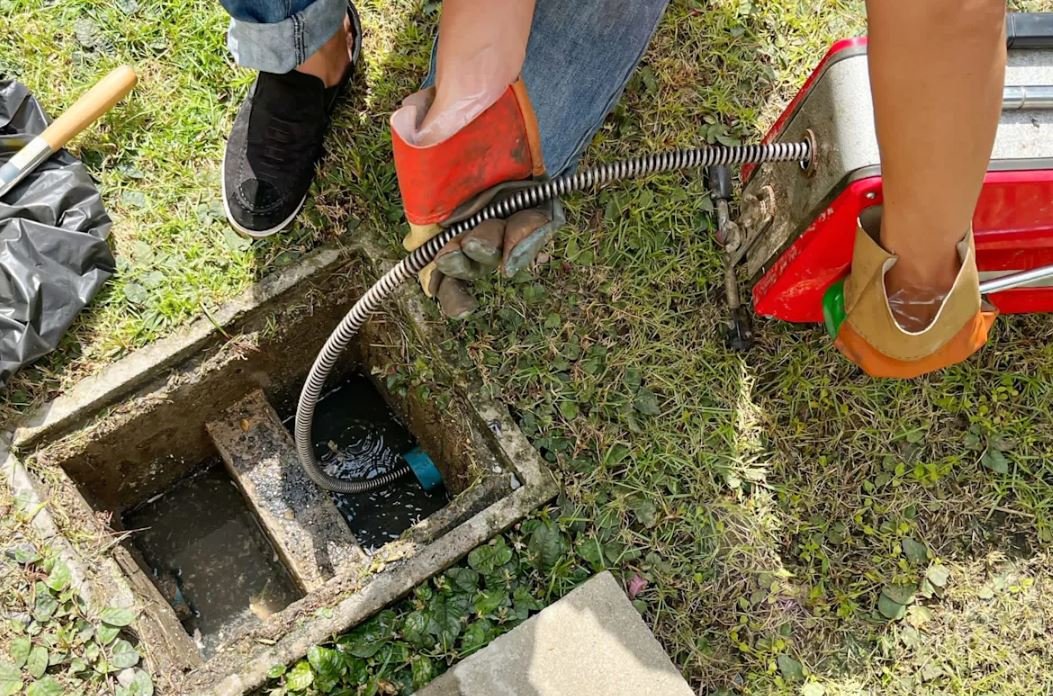
Professional drain cleaning helps remove years of buildup before it causes major blockages.
Periodic sewer camera inspections allow plumbers to identify:
- Root intrusion
- Pipe deterioration
- Cracks
- Offset joints
- Developing blockages
Finding these problems early often prevents emergency sewer repairs later.
Why Professional Drain Cleaning Matters
Chemical drain cleaners may temporarily improve slow drains, but they rarely remove the underlying cause of recurring clogs.
Professional drain cleaning offers several benefits:
- Removes grease and sludge buildup
- Clears stubborn blockages
- Improves drain flow
- Helps prevent future backups
- Protects aging plumbing
- Identifies larger sewer issues before they worsen
For older homes, routine maintenance is one of the best ways to extend the life of existing plumbing.
Why St. Louis Homeowners Trust Arch Plumbing
At Arch Plumbing, we understand the unique plumbing challenges found in older St. Louis homes. Our experienced team provides honest recommendations, thorough inspections, and dependable drain and sewer solutions tailored to aging plumbing systems.
Whether you’re dealing with recurring drain clogs, sewer line concerns, or simply want to prevent future problems, we’re here to help protect your home’s plumbing investment.
Frequently Asked Questions
Why do older homes experience more sewer problems?
Older homes often have aging pipes made from cast iron, clay, or galvanized steel. Over time, these materials can corrode, crack, or allow tree roots to enter, leading to frequent drain and sewer issues.
How do I know if tree roots are blocking my sewer line?
Common signs include slow drains throughout the home, recurring clogs, sewage odors, gurgling toilets, and backups affecting multiple fixtures.
Is professional drain cleaning worth it for older homes?
Yes. Routine drain cleaning removes years of buildup and helps reduce the risk of major clogs, backups, and costly sewer repairs.
How often should older homes have sewer lines inspected?
If your home is several decades old, a sewer camera inspection every few years—or sooner if you experience recurring problems—can help detect issues before they become expensive repairs.
Can old sewer pipes be repaired without replacing the entire line?
In many cases, yes. Depending on the condition of the pipe, repairs may be possible. A professional inspection will determine the most effective solution.
Protect Your Older Home’s Plumbing
Owning a historic St. Louis home comes with many rewards, but aging plumbing requires proactive care. Regular drain cleaning, sewer inspections, and timely repairs can help prevent unexpected backups and extend the life of your plumbing system.
If you’ve noticed slow drains, recurring clogs, or signs of sewer trouble, Arch Plumbing is ready to help. Our experienced plumbers provide reliable drain cleaning and sewer solutions for homeowners throughout the St. Louis area, helping you keep your plumbing system flowing smoothly for years to come.
Let’s Book Your Appointment
Fill out the form below and our team will contact you shortly to confirm your appointment.




