
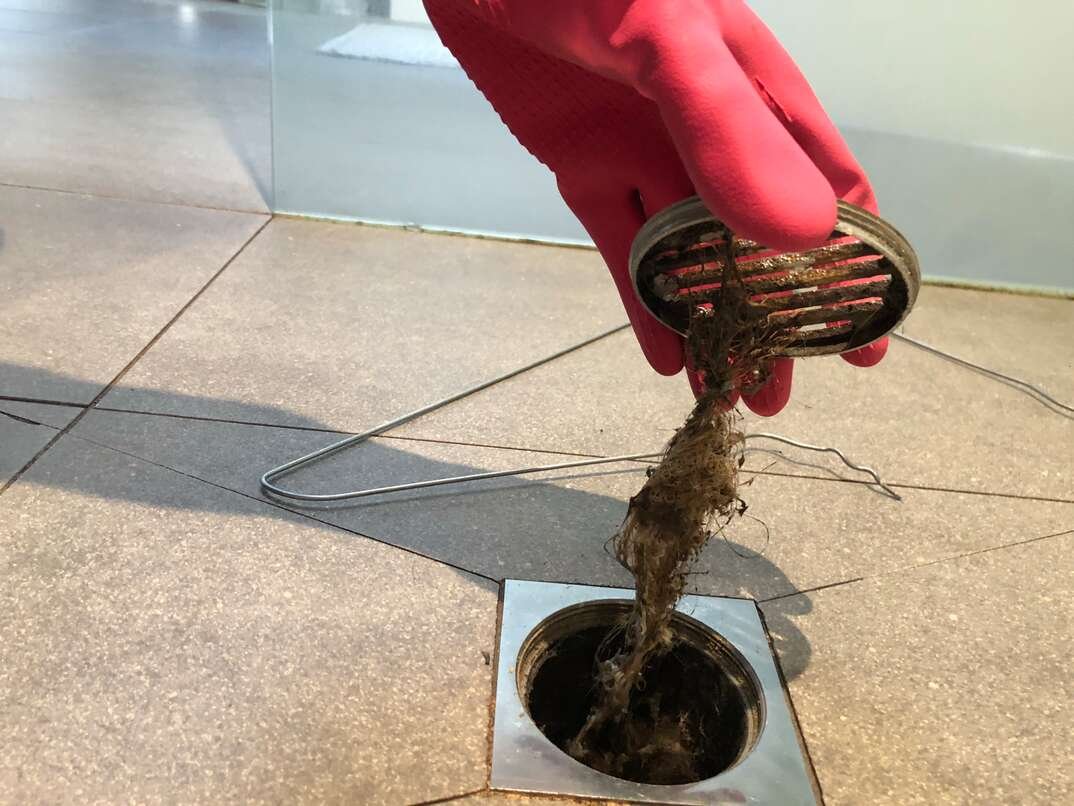
You clear a clogged drain, the water starts flowing again, and you think the problem is solved.
Then, a few days or weeks later, the same drain is slow or completely clogged again.
If this keeps happening, the problem may not be the cleaning method itself. A drain that repeatedly clogs after being cleared can be a sign that some of the blockage is still inside the pipe or that something deeper is restricting the flow.
A plunger, drain snake, or chemical cleaner may provide temporary relief without addressing what is actually causing the recurring blockage.
Here are some of the most common reasons a drain keeps clogging after you clean it—and when it makes sense to have the drain professionally inspected.
The Clog May Not Be Completely Gone
One of the most common reasons a drain clogs again is that the original blockage was only partially removed.
For example, a plunger may create enough movement to get water flowing again without removing all of the material inside the pipe.
The same can happen with a basic drain snake. It may open a path through the blockage, but buildup can remain attached to the inside walls of the drain.
Water flows temporarily, but the remaining debris gives new hair, grease, soap residue, or food particles something to collect around.
The result is another clog.
Buildup May Still Be Coating the Inside of the Pipe
Your drain pipe may look clear from the opening while still having significant buildup farther inside.
Grease, soap residue, minerals, hair, sludge, and other debris can gradually accumulate along the interior walls of a pipe. As that buildup becomes thicker, the space available for water to flow becomes smaller.
Once the pipe is narrowed, even a relatively small amount of new debris can cause another restriction.
This is one reason a drain that repeatedly slows down may need more than another quick clearing.
Chemical Drain Cleaners May Only Provide Temporary Relief
Chemical drain cleaners can sometimes break through a minor blockage, but they don’t necessarily remove everything that is causing the problem.
If buildup remains deeper in the pipe, the drain can become restricted again.
Frequent use of harsh chemical cleaners can also be a concern, particularly with older plumbing or certain pipe materials.
If you’ve already used drain cleaner several times and the problem keeps returning, continuing to pour more chemicals into the drain is unlikely to solve the underlying issue.
Instead, the drain should be evaluated to determine why the blockage keeps coming back.
Hair and Soap Scum Can Keep Building Up
Bathroom drains are particularly vulnerable to recurring clogs.
Hair can collect inside the drain and combine with soap residue, shampoo, body products, and other material. Even if you remove the visible hair from the drain opening, additional buildup may remain farther down the pipe.
You may notice:
- Water draining slowly from the shower
- Standing water around your feet while showering
- A bathroom sink that takes longer to empty
- A drain that becomes clogged again shortly after cleaning
- Gurgling or unusual sounds from the drain
A drain screen can help prevent new hair and debris from entering, but it won’t remove buildup that is already inside the plumbing.
Grease May Be Building Up in Your Kitchen Drain
Kitchen drains have a different set of problems.
Cooking grease and oils can stick to the inside of drain pipes. As the material cools, it can become thicker and trap food particles and other debris.
You might clear the drain and get normal flow back temporarily, but if grease remains along the pipe walls, new debris can quickly collect around it.
This is why repeatedly plunging a kitchen sink may not solve a recurring blockage.
Avoid putting cooking grease, oils, coffee grounds, food scraps, and other inappropriate materials down the drain in the first place.
The Blockage May Be Farther Down the Drain Line
Sometimes the problem isn’t near the sink, shower, or bathtub at all.
A clog farther down the drain line can restrict wastewater flow even when the fixture itself appears clean.
This can make the problem confusing for homeowners. You may clean the drain opening, remove visible debris, and still experience the same blockage because the actual restriction is located farther into the plumbing system.
A professional plumber can use specialized equipment to reach deeper into the line and determine where the restriction is located.
A Drain Problem May Be Connected to a Larger Plumbing Issue
If only one fixture is affected, the problem may be localized to that drain.
But if several fixtures begin draining slowly or backing up, you should pay closer attention.
For example, you may notice:
- The kitchen sink drains slowly
- The bathtub begins backing up
- The toilet gurgles
- Another bathroom sink becomes slow
- Multiple drains clog around the same time
When several fixtures are affected, the blockage may be farther downstream in the home’s main drain or sewer line.
In that situation, repeatedly cleaning individual drains may not solve the actual problem.
Your Plumbing Pipes Could Have a Structural Problem
Recurring clogs aren’t always caused by something you are putting down the drain.
A damaged, shifted, sagging, or deteriorated pipe can also interfere with normal drainage.
For example, a section of pipe may collect water and debris instead of allowing wastewater to flow properly. A damaged pipe can also allow roots or surrounding material to interfere with the inside of the line.
If a drain continues clogging despite repeated cleaning, a professional inspection can help determine whether the issue is simply buildup or something more significant.
How Can You Tell If a Recurring Clog Needs Professional Attention?
An occasional clogged drain isn’t unusual.
However, you should consider professional drain service if:
- The same drain keeps clogging
- The drain becomes slow again soon after cleaning
- You have tried multiple DIY methods without lasting results
- Several drains are slow at the same time
- Water backs up into another fixture
- You notice sewage odors
- Drains make gurgling sounds
- Wastewater comes back up through a sink, tub, or shower
- You suspect a deeper blockage
These symptoms can indicate that the problem isn’t limited to the visible drain opening.
What Can a Professional Drain Cleaning Do Differently?
Professional drain cleaning is about more than simply getting water moving again.
Depending on the situation, a plumber may use different equipment to determine what is happening inside the line.
Drain Snaking
A drain auger or snake can reach deeper into a pipe to break through or remove certain types of blockages.
This can be useful when a clog is located farther into the drain line than a homeowner can reasonably reach.
Hydro Jetting
For stubborn buildup, hydro jetting uses high-pressure water to clean material from the interior walls of the pipe.
It can be particularly useful when grease, sludge, and other buildup have accumulated over time.
Hydro jetting isn’t appropriate for every plumbing situation, so the condition of the pipes should be considered before using this method.
Video Camera Inspection
If the problem keeps returning and the cause isn’t obvious, a camera inspection can provide a closer look inside the drain line.
This can help identify problems such as:
- Heavy buildup
- Root intrusion
- Cracked pipes
- Misaligned sections
- Other obstructions
Arch Plumbing offers drain snaking, hydro jetting, and video inspection as part of its professional clogged-drain services.
Should You Keep Trying to Clean the Drain Yourself?
For a simple, occasional clog, a plunger or other basic method may be reasonable.
The problem is when the same drain repeatedly becomes clogged.
If you have already cleared the drain several times and the problem keeps returning, repeatedly treating the symptom may become frustrating—and can delay finding the actual cause.
Instead of asking, “How do I unclog this again?”, it may be time to ask:
“Why does this drain keep clogging in the first place?”
That change in approach can help identify whether you are dealing with leftover buildup, a deeper blockage, or a problem within the plumbing system itself.
How to Help Prevent Recurring Drain Clogs
Once the drain is properly cleared, a few everyday habits can help reduce future problems.
In the kitchen
- Don’t pour grease or cooking oil down the drain.
- Keep coffee grounds and food scraps out of the sink.
- Use a sink strainer to catch debris.
- Avoid putting large amounts of fibrous food into the drain.
In the bathroom
- Use a hair-catching drain screen.
- Remove visible hair regularly.
- Avoid sending wipes and other inappropriate materials down drains.
- Pay attention when a drain starts slowing down.
Throughout the home
- Don’t ignore repeated slow drains.
- Don’t rely on chemical drain cleaners as a long-term solution.
- Watch for multiple drains becoming slow at the same time.
- Address recurring backups before they become a larger plumbing problem.
Don’t Ignore a Drain That Keeps Clogging
If your drain keeps clogging after you clean it, there is a good chance that simply clearing the visible blockage isn’t addressing the entire problem.
The cause could be leftover buildup, grease, hair, soap residue, a deeper obstruction, or an issue farther down the drainage system.
And if multiple drains are affected, the problem may extend beyond a single fixture.
A professional drain inspection can help determine what’s actually restricting the flow so you can address the problem instead of repeatedly dealing with the same clog.
Need Help With a Recurring Clogged Drain?
If you’ve cleaned the same drain multiple times and it keeps clogging, Arch Plumbing can help determine what is causing the recurring problem.
Arch Plumbing provides professional drain cleaning and clogged-drain services for homeowners in St. Louis, St. Charles County, and surrounding communities. Depending on the situation, service may include drain snaking, hydro jetting, or video inspection.
Don’t keep treating the same clog over and over. Schedule an appointment with Arch Plumbing to find out what’s causing the problem and get your drain flowing properly again.
Frequently Asked Questions
Why does my drain keep clogging after I clean it?
Why does my drain clog again a few days after cleaning?
Are chemical drain cleaners a good solution for recurring clogs?
When should I call a plumber for a recurring drain clog?
Can recurring drain clogs mean a sewer line problem?
Let’s Book Your Appointment
Fill out the form below and our team will contact you shortly to confirm your appointment.




