

The breakdown of Sump pumps occurs mostly as a result of power failure, flooded systems, improper installation, absence of maintenance, or old equipment during St. Louis heavy rains. Basements in St. Charles and St. Louis have high propensity to flood when there is more rainfall or the lack of backup systems.
Why Heavy Rains Are a Serious Problem in St. Louis
St. Louis and St. Charles County experience intense rainstorms that can dump several inches of water in a short time. The heavy clay soil, old infrastructure and increased ground water levels cause an additional strain in the sump pump systems. Even small problems can result in failure when the conditions are quite extreme.
Top Reasons Sump Pumps Fail During Heavy Rain
1. Power Outages
Power is often brought down by storms. When you are in a need of the sump pump, the power goes off, right at the time when it is needed most.
2. Pump Overload
A lot of the old sump pumps have a small size. When it rains much, they are unable to cope with fast water flowing on the ground and the water would stagnate in the basement.
3. Clogged or Frozen Discharge Lines
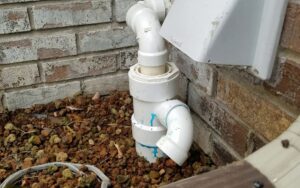
Discharges lines may be blocked by debris, mud or ice. Water finds no other outflow and then it comes straight back into the sump pit.
4. Poor Installation
Incorrect float switch placement, improper pit sizing, or wrong pump selection drastically reduce performance during storms.
5. Lack of Routine Maintenance
Deposition of silt and entangled floating debris, as well as deteriorated parts of machinery usually remain unknown until the time of excessive rainfall reveals the issue.
6. Old or Failing Equipment
Most sump pumps last 7–10 years. Older units are far more likely to fail under stress from continuous operation.
Warning Signs Your Sump Pump May Fail
- Pump runs constantly during rain
- Strange noises or vibrations
- Water pooling near the sump pit
- Visible rust or corrosion
- Pump does not activate automatically
If you notice any of these signs, professional inspection is strongly recommended.
How to Prevent Sump Pump Failure
- Install a battery backup sump pump
- Upgrade to a higher-capacity pump
- Schedule annual maintenance
- Test the system before storm season
- Ensure proper discharge line routing
Professional evaluation ensures your system is sized correctly for St. Louis rainfall conditions.
Professional Sump Pump Repair & Installation
If your sump pump struggles during storms, Arch Plumbing can help. We specialize in Sump Pump Repair/Installation in St. Charles & St. Louis, offering reliable solutions designed for local weather and soil conditions.
Our family-owned team is trusted throughout St. Peters, O’Fallon, Wentzville, and Chesterfield for long-lasting plumbing solutions.
Frequently Asked Questions
How long should a sump pump run during heavy rain?
During heavy rain, a sump pump may run frequently or continuously. However, nonstop operation could indicate overload or drainage issues.
Do I need a battery backup sump pump in St. Louis?
Yes. Power outages are common during storms, and a battery backup greatly reduces the risk of basement flooding.
How often should sump pumps be replaced?
Most sump pumps should be replaced every 7–10 years, or sooner if performance declines.
Can a sump pump be too small for my home?
Yes. Many homes in St. Charles and St. Louis have undersized pumps that cannot handle heavy rainfall volumes.
What causes sump pumps to fail suddenly?
Power loss, stuck float switches, clogged discharge lines, and worn motors are the most common causes.
Let’s Book Your Appointment
Fill out the form below and our team will contact you shortly to confirm your appointment.