

As winter temperatures drop, the risk of pipes freezing and bursting increases, leading to potentially costly repairs and property damage. Freezing pipes can be a major concern for homeowners and businesses alike, but with the right precautions, you can prevent this from happening. Here are some simple and effective tips to help you keep your pipes warm and safe during the colder months.
 1. Insulate Exposed Pipes
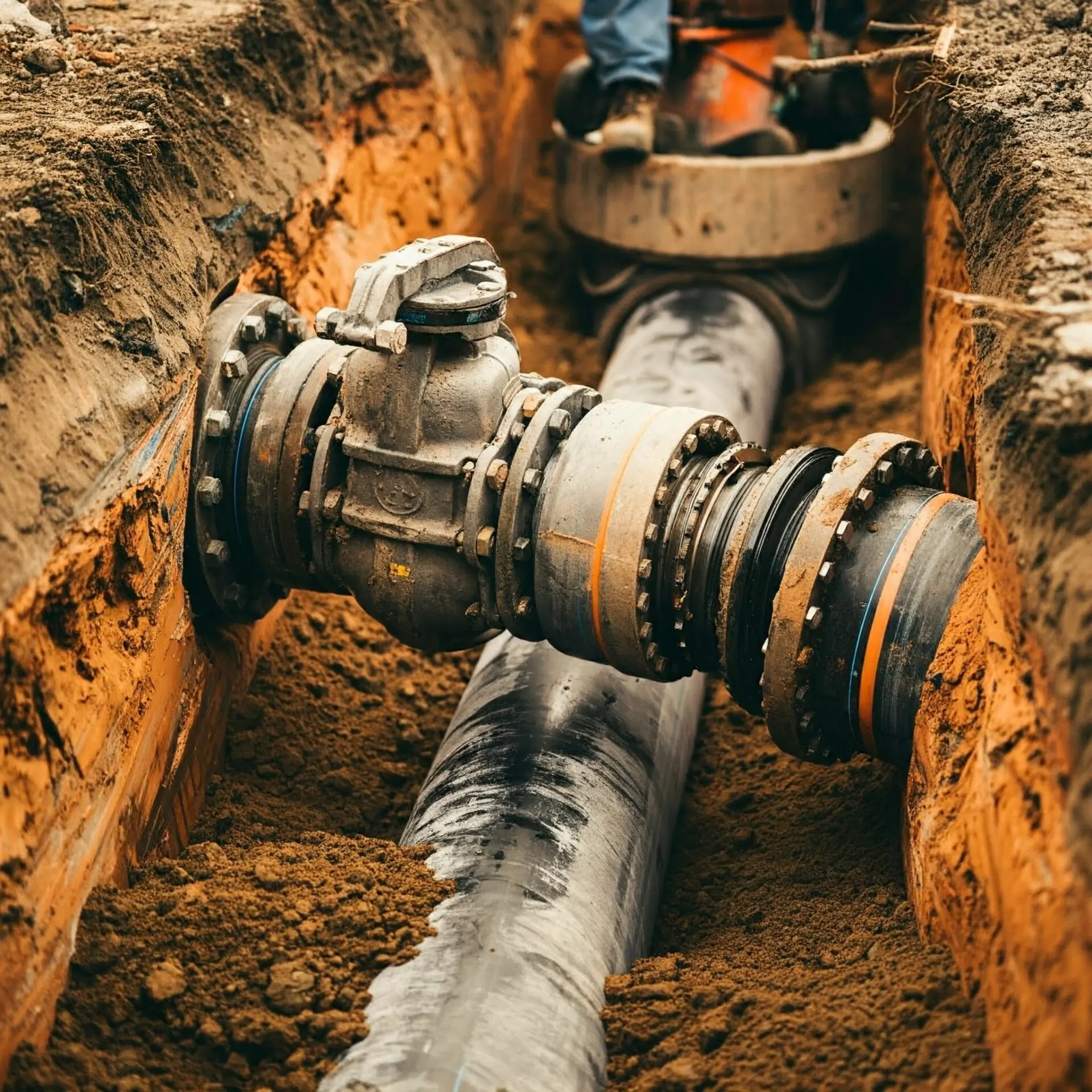 1. Insulate Exposed Pipes
One of the most effective ways to keep your pipes warm is to insulate them. Pipes in unheated areas, such as basements, crawl spaces, attics, garages, and exterior walls, are more vulnerable to freezing. You can insulate these pipes with foam pipe insulation or fiberglass wrap. Insulation helps to maintain the temperature of the water inside the pipes, preventing it from freezing when the weather gets bitterly cold.
Tip: Don’t forget to insulate your outdoor faucets as well! You can buy foam faucet covers at most hardware stores.
2. Keep the Heat On
Even if you’re away from home during the winter months, it’s important to maintain a consistent temperature in your home. Set your thermostat to at least 55°F (13°C), even if you’re not there. This helps to ensure that the temperature around your pipes stays above freezing.
Tip: If you’re going on vacation, consider leaving a cabinet door open in areas where pipes are located, like under kitchen or bathroom sinks. This will allow warm air to circulate and keep the pipes from freezing.
3. Let Faucets Drip
If you know that a cold snap is coming, let your faucets drip a bit to keep water moving through the pipes. A slow, steady drip helps to prevent water from freezing inside the pipes. It’s especially helpful for faucets located along exterior walls or in unheated areas.
Tip: Let both hot and cold water faucets drip, as hot water can freeze just as easily as cold water in extreme temperatures.
4. Seal Gaps and Cracks
Cold air can sneak in through small gaps, cracks, or holes in your walls, floors, or around windows and doors. Check the areas where pipes enter your home, such as around vents, windows, or doors, and seal any openings with caulk or spray foam. This can help keep the cold air out and maintain a warmer environment for your pipes.
Tip: Weatherstripping your doors and windows can also help to keep the warmth inside and cold air outside.
5. Keep Garage Doors Closed
If you have water supply lines in your garage, keep the garage door closed during the colder months to prevent freezing. Even if your garage is attached to your home, the temperature can drop quickly if the door is open. By keeping it closed, you help to protect any exposed pipes from freezing.
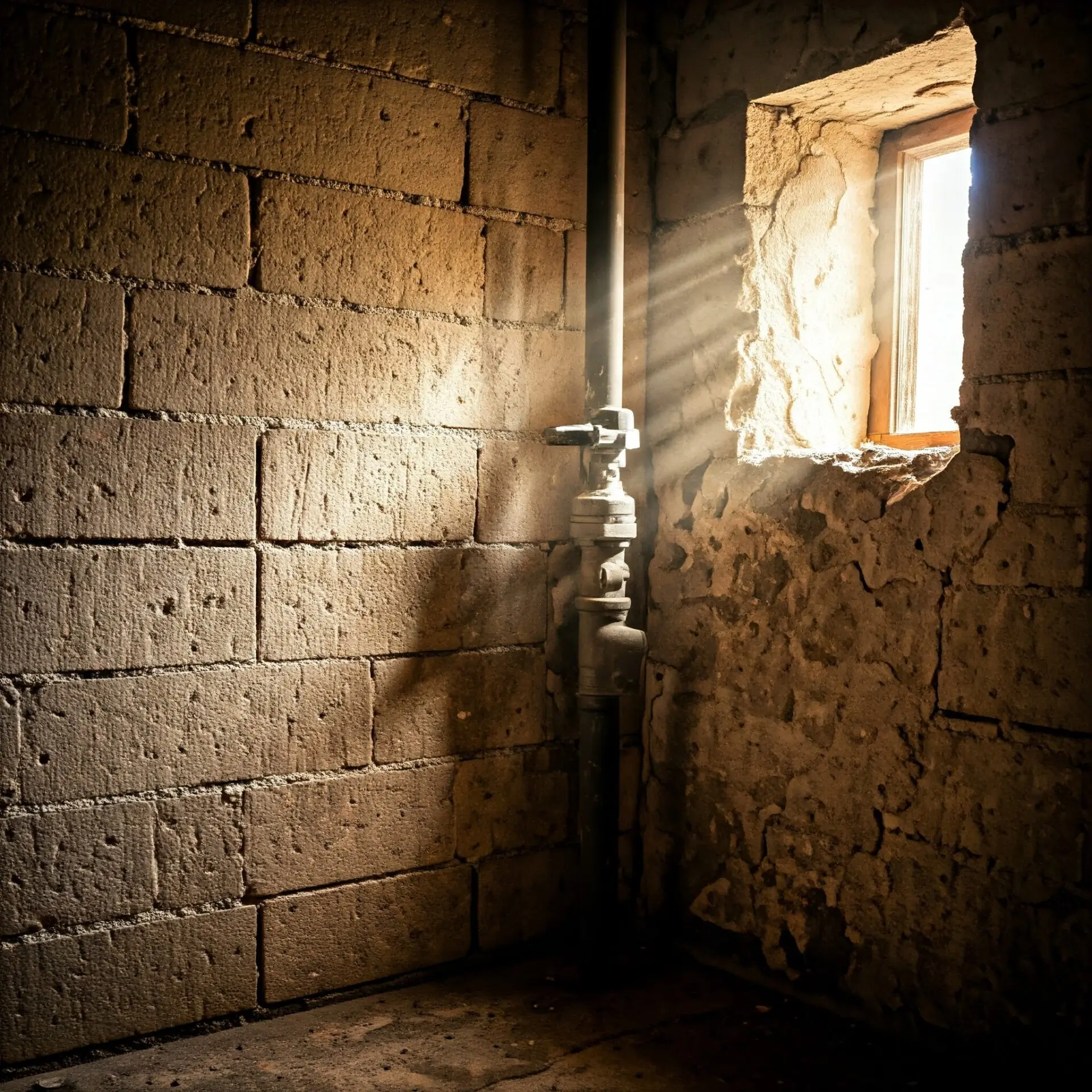
6. Add Extra Heat to Vulnerable Areas
In extreme cold, you might want to consider using a space heater in particularly vulnerable areas, such as a basement or crawl space. Be sure to follow all safety guidelines and never leave a space heater unattended. These can provide an extra layer of protection during periods of very low temperatures.
Tip: Consider installing heat tape, which can be wrapped around pipes to keep them warm. This is especially useful for pipes in areas that are hard to reach with regular insulation.
7. Shut Off and Drain Outdoor Faucets
Before winter hits, turn off the water supply to any outdoor faucets and drain the lines completely. If your outdoor faucets are not frost-proof, leaving water in the pipes could lead to freezing. By shutting off the water supply and draining the lines, you can avoid this issue.
Tip: If you have a sprinkler system, make sure it is winterized properly to prevent frozen pipes.
8. Monitor for Warning Signs
Regularly check your pipes and faucets for any signs of freezing, especially during particularly cold spells. If you notice a decrease in water pressure or if a faucet doesn’t produce any water at all, your pipes may be freezing. If you suspect a frozen pipe, act quickly. You can attempt to thaw the pipe using a hairdryer or space heater, or you may need to contact a plumber for professional assistance.
In Conclusion, winterizing your pipes is essential for preventing costly water damage and repairs. By following these simple tips, you can protect your home or business from the risks of frozen pipes and ensure that your water supply remains uninterrupted throughout the cold months.
If you have concerns about your pipes or need professional help, Arch Plumbing is here to answer your plumbing questions. Don’t hesitate to contact us! We’re here to help you stay safe and warm this winter season.