
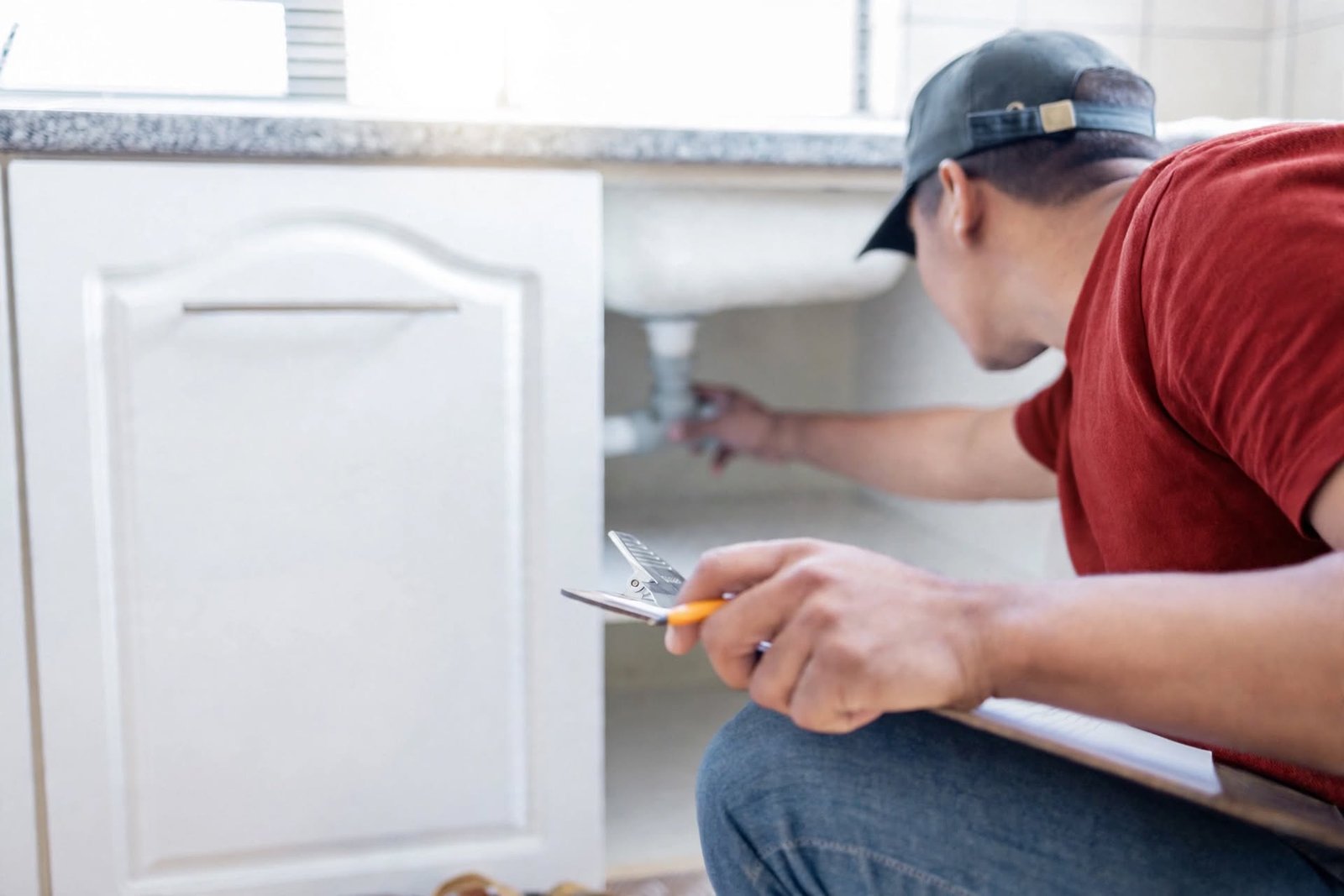
A plumbing problem doesn’t always start with a burst pipe or a flooded room. In many O’Fallon homes, the warning signs can be much smaller—a drain that takes longer to empty, a faucet that drips overnight, water pressure that suddenly changes, or a water heater that doesn’t seem to work as efficiently as it used to.
These issues can be easy to overlook when everything still appears to be working.
A professional plumbing inspection can help identify developing problems before they turn into major repairs. Depending on the condition of the home and its plumbing system, an inspection can uncover leaks, drainage problems, worn fixtures, water heater concerns, sewer line issues and other conditions that aren’t always obvious during everyday use.
For O’Fallon homeowners, a plumbing inspection can be especially useful when buying or selling a home, maintaining an older plumbing system, preparing for a renovation, or dealing with recurring plumbing problems.
Why Have Your Plumbing Inspected Before There Is an Emergency?
Most homeowners don’t think about their plumbing until something stops working.
That’s understandable. If the faucets work, the toilets flush and the drains are flowing, it can feel like everything is fine.
The problem is that plumbing failures often develop gradually.
A small leak can continue behind a cabinet. A partially blocked drain can become a complete blockage. A water heater can deteriorate internally while still producing hot water. A sewer line can develop a problem before a homeowner notices a serious backup.
Finding these conditions early can give you more options.
Instead of dealing with an unexpected plumbing emergency, you may be able to address the problem while the repair is smaller and easier to plan.
A plumbing inspection can be particularly worthwhile if:
- Your home has older plumbing
- You have recurring drain clogs
- Water pressure has changed
- You notice unexplained moisture or water stains
- Your water heater is aging
- A toilet or faucet frequently needs repair
- You are buying an older home
- You are preparing to sell your property
- You are remodeling a kitchen or bathroom
- You have experienced repeated plumbing problems
6 Plumbing Problems an Inspection Can Help Uncover
A plumbing inspection isn’t just about looking for an obvious leak. A thorough evaluation considers multiple parts of the home’s plumbing system.
1. Hidden or Developing Water Leaks
Some plumbing leaks are obvious.
Others aren’t.
A slow leak underneath a sink, around a toilet, near a water heater or inside an accessible plumbing area may continue for weeks before becoming a noticeable problem.
Warning signs can include:
- Damp cabinets or flooring
- Water stains
- Musty odors
- Unexplained increases in water usage
- Constantly running water
- Moisture around plumbing fixtures
Finding the source early can help prevent a small plumbing issue from becoming extensive water damage.
2. Slow Drains and Developing Clogs
A drain doesn’t necessarily have to be completely blocked to indicate a problem.
If water is draining more slowly than it used to, there may already be buildup or a developing obstruction in the line.
This is particularly important when the same drain repeatedly becomes slow or clogged after being cleaned.
A plumbing professional can evaluate whether the problem appears to be isolated to one fixture or whether there may be a larger drainage issue.
If you’re already dealing with recurring clogs, Arch Plumbing also provides clogged drain services rather than simply treating the symptom and sending you on your way.
3. Water Heater Problems
Your water heater can continue producing hot water even when it is beginning to develop problems.
An inspection can help identify signs of:
- Corrosion
- Leaking
- Sediment-related problems
- Deteriorating connections
- Aging components
- Other conditions affecting performance
This matters because a water heater problem can progress from reduced performance to a significant leak or complete failure.
For homeowners who are already noticing inconsistent hot water or water around the tank, it’s better to investigate the cause before the unit becomes an emergency.
4. Sewer and Drainage Concerns
A sewer line problem may begin with symptoms that seem unrelated.
You might notice:
- Repeated drain backups
- Multiple slow drains
- Gurgling sounds
- Unpleasant sewer odors
- Water backing up when another fixture is used
When these symptoms occur repeatedly, the problem may be farther down the drainage system rather than at the individual fixture.
An evaluation can help determine whether the issue is likely related to a localized drain blockage or something more significant involving the sewer line.
5. Worn Faucets, Toilets and Plumbing Fixtures
Fixtures don’t last forever.
A dripping faucet may seem like a minor annoyance, while a constantly running toilet can quietly waste water.
During a plumbing check, worn or malfunctioning fixtures can be identified before they create a larger problem.
This is also useful when you’re planning a bathroom or kitchen update because it gives you an opportunity to address several plumbing concerns during the same project rather than waiting for each one to fail separately.
6. Water Pressure Problems
Water pressure that is suddenly too high or too low deserves attention.
Low pressure can be associated with restrictions, fixture problems or supply-side issues. Excessively high pressure can put unnecessary stress on plumbing components and fixtures.
If your home’s water pressure has noticeably changed, don’t automatically assume it’s just a minor inconvenience.
A professional evaluation can help determine whether there is an underlying plumbing problem that needs attention.
What Does a Plumber Check During an Inspection?
The exact inspection process depends on the home’s plumbing system and the reason for the visit.
However, a professional evaluation may include checking accessible areas such as:
Faucets and fixtures
Fixtures can be checked for leaks, proper operation and signs of wear.
Toilets
Running toilets, leaks around the base and other performance problems can be investigated.
Drains
Slow drainage and recurring backups can provide clues about developing blockages or drainage problems.
Water heater
The unit and its accessible connections can be checked for signs of leakage, deterioration or other concerns.
Shut-off valves
Knowing where your main shut-off valve and individual fixture shut-offs are—and knowing that they work—can be extremely useful if a plumbing emergency occurs.
Sewer and drainage system
If symptoms suggest a larger drainage or sewer problem, additional diagnostic work may be appropriate.
The goal isn’t simply to find something to repair.
The goal is to understand what condition your plumbing is in and whether there are problems that deserve attention now.
When Should an O’Fallon Homeowner Consider a Plumbing Inspection?
There isn’t one universal schedule that applies to every house.
The right timing depends on the age and condition of the plumbing system, previous repairs, the home’s history and whether you’re experiencing symptoms.
An inspection can make sense when:
You’re buying a home.
A general home inspection may identify plumbing concerns, but a plumbing professional can provide a more focused assessment when significant plumbing issues are suspected.
You’re selling your home.
Identifying plumbing problems before listing can help prevent unpleasant surprises during negotiations.
Your home has older plumbing.
Older systems can have components that are approaching the end of their useful life.
You’ve had repeated repairs.
If the same type of plumbing problem keeps returning, it’s worth looking beyond the immediate symptom.
You’re remodeling.
A kitchen or bathroom renovation is a good opportunity to evaluate the plumbing that will be affected by the project.
Something doesn’t seem right.
Changes in water pressure, drainage, hot water, odors or moisture shouldn’t automatically be ignored.
Don’t Wait Until a Plumbing Problem Becomes an Emergency
A plumbing system can give you warning signs long before a major failure occurs.
A slow drain, dripping fixture, changing water pressure or aging water heater may not seem urgent today. But recurring or worsening symptoms deserve attention.
For homeowners in O’Fallon and surrounding St. Charles County communities, Arch Plumbing can help evaluate plumbing concerns and determine what needs attention.
If you’re experiencing a plumbing problem or want to discuss the condition of your home’s plumbing, make an appointment with Arch Plumbing before a small issue becomes a much bigger one.
FAQs
How often should a home have a plumbing inspection?
There isn’t one inspection schedule that fits every home. The age of the plumbing system, previous repairs, home ownership changes and recurring plumbing problems can all affect when an inspection makes sense.
What does a plumbing inspection look for?
A professional plumbing evaluation can look for visible leaks, drainage problems, fixture issues, water heater concerns, water pressure problems and other signs of plumbing deterioration.
Should I get a plumbing inspection when buying a home?
It can be worthwhile, particularly when buying an older home or when the general inspection identifies plumbing concerns. A focused plumbing evaluation can help you better understand the condition of the system.
Can a plumbing inspection find hidden leaks?
A professional evaluation can identify visible evidence and signs associated with leaks. If a hidden leak is suspected, additional diagnostic methods may be needed to locate the source.
What are the signs that my plumbing needs to be checked?
Recurring clogs, slow drains, unexplained moisture, water stains, changing water pressure, sewer odors, running toilets and inconsistent hot water are all reasons to consider having the plumbing evaluated.
Let’s Book Your Appointment
Fill out the form below and our team will contact you shortly to confirm your appointment.




