
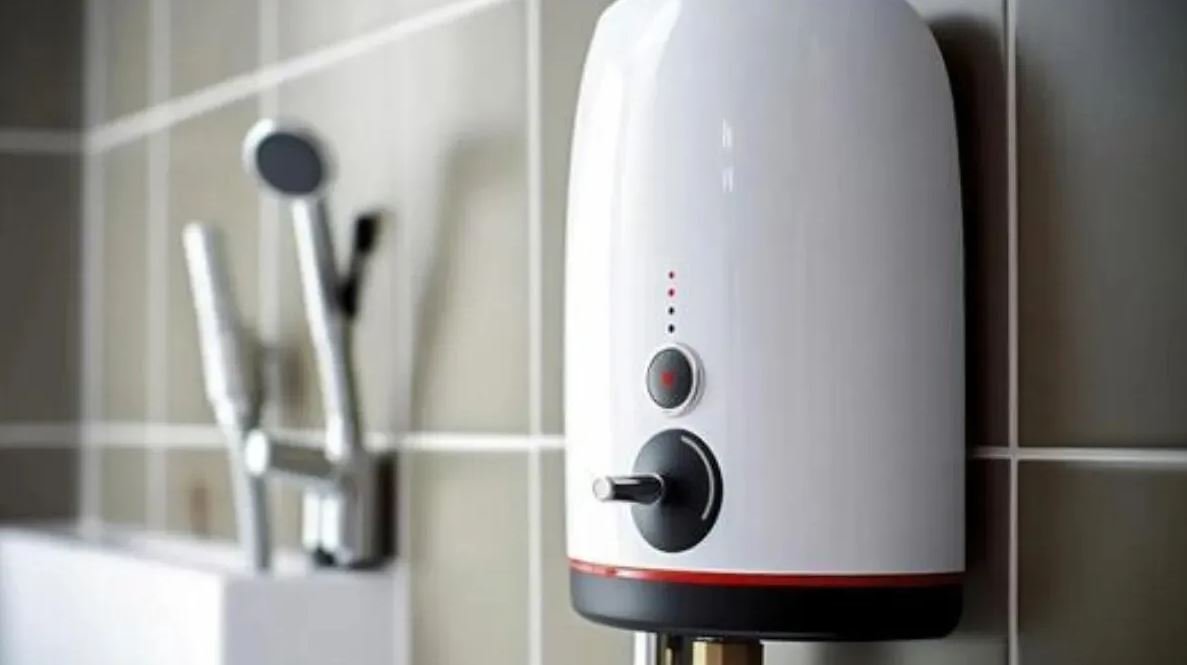
Common Causes & Solutions for St. Charles County Homes
Waiting several minutes for hot water isn’t just frustrating—it can also waste water, increase utility bills, and sometimes indicate an underlying plumbing issue.
Many homeowners assume their water heater is failing when hot water takes too long to reach the faucet or shower. While an aging water heater can certainly be the cause, it’s only one of several possibilities.
At Arch Plumbing, we’ve helped homeowners throughout St. Charles County diagnose slow hot water problems caused by everything from aging water heaters to plumbing layouts, faulty components, and hidden issues within the home’s plumbing system.
Understanding the cause is the first step toward finding the right solution.
How Long Should It Take for Hot Water to Reach Your Faucet?
Most homes should receive hot water within:
| Fixture | Typical Wait Time |
|---|---|
| Bathroom Sink | 15–30 seconds |
| Kitchen Sink | 20–45 seconds |
| Shower | 30–60 seconds |
If you’re waiting two minutes or longer, it’s worth having the plumbing system evaluated.
Why Does Hot Water Take So Long?
1. Your Water Heater Is Far From the Fixture
One of the most common reasons has nothing to do with the water heater itself.
The farther water must travel through the plumbing system, the longer it takes for hot water to reach the faucet.
This is especially common in:
- Larger homes
- Finished basements
- Home additions
- Second-story bathrooms
2. Your Water Heater Is Getting Older
As water heaters age, sediment can build up inside the tank.
This buildup reduces heating efficiency and can make recovery times longer after hot water is used.
Other signs include:
- Running out of hot water quickly
- Strange noises
- Rust-colored water
- Inconsistent temperatures
3. Sediment Build-Up
Hard water is common throughout Missouri.
Mineral deposits settle inside the tank over time, reducing available capacity and making the burner or heating elements work harder.
Regular maintenance helps extend water heater life.
4. Your Plumbing System Wasn’t Designed for Fast Hot Water Delivery
Some homes simply have long pipe runs.
Even a brand-new water heater cannot instantly deliver hot water if the plumbing layout requires water to travel a considerable distance.
In these situations, solutions such as a hot water recirculation system may be worth considering.
5. Faulty Water Heater Components
Several components can affect performance, including:
- Heating elements
- Gas burner assembly
- Thermostat
- Dip tube
- Gas control valve
Professional diagnosis ensures the correct issue is addressed instead of replacing parts unnecessarily.
6. Heat Loss in Plumbing Pipes
Pipes running through unheated crawl spaces, basements, or garages can lose heat before water reaches the fixture.
Insulating exposed hot water lines may help improve delivery times and energy efficiency.
Is Waiting for Hot Water Wasting Water?
Yes.
A faucet flowing for one or two minutes before warming up can waste hundreds to thousands of gallons of water over the course of a year.
Reducing unnecessary wait times not only improves convenience but can also help lower water usage.
Should You Repair or Replace Your Water Heater?
Repair may be appropriate if:
- The unit is relatively new
- The issue is isolated to a replaceable component
- The tank itself is still in good condition
Replacement may be the better investment if:
- The water heater is over 10–12 years old
- Repairs are becoming frequent
- Hot water demand has increased
- The tank shows signs of corrosion or leaking
A professional inspection can help determine the most cost-effective solution.
How a Professional Inspection Helps
Rather than assuming the water heater is the problem, a plumber can inspect the entire hot water system, including:
- Water heater condition
- Thermostat settings
- Heating components
- Plumbing layout
- Pipe insulation
- Water pressure
- Shut-off valves
- Signs of leaks or hidden plumbing issues
This comprehensive approach helps identify the actual cause and prevents unnecessary repairs or replacements.
Why Homeowners Choose Arch Plumbing
When hot water problems arise, homeowners want more than a quick fix—they want the right diagnosis and a solution that lasts.
At Arch Plumbing, we take the time to evaluate your plumbing system, explain what’s causing the delay, and recommend practical solutions based on your home’s needs. Whether the issue involves an aging water heater, sediment buildup, long pipe runs, or another plumbing concern, our goal is to restore reliable hot water while helping you avoid unnecessary expenses.
As a family-owned plumbing company serving St. Charles County, we focus on honest recommendations, quality workmanship, and dependable service that homeowners can trust.
Don’t Ignore Slow Hot Water
If your water consistently takes too long to heat up, the problem is unlikely to improve on its own. In many cases, addressing the issue early can prevent larger plumbing problems and improve your home’s comfort and efficiency.
If you’re experiencing slow hot water, inconsistent temperatures, or suspect your water heater isn’t performing as it should, contact Arch Plumbing to schedule an inspection. We’ll help identify the cause and recommend the most effective solution for your home.
Frequently Asked Questions
Why does my shower take longer to get hot than my kitchen sink?
The distance between your water heater and each fixture can vary. Fixtures located farther away typically take longer to receive hot water because it has to travel through more piping.
Is it normal for hot water to take more than two minutes?
In most homes, no. If you’re consistently waiting more than two minutes, it could indicate an issue such as an aging water heater, sediment buildup, long pipe runs, or another plumbing concern that should be inspected.
Can hard water affect how quickly I get hot water?
Yes. Hard water can cause mineral deposits to build up inside your water heater over time, reducing its efficiency and affecting hot water performance if regular maintenance is not performed.
Would installing a larger water heater solve the problem?
Not necessarily. If the delay is caused by the distance between the water heater and your fixtures, simply installing a larger tank may not reduce the wait time. A plumber can determine whether the issue is related to the water heater or the home’s plumbing layout.
When should I call a plumber about slow hot water?
If the problem is getting worse, affects multiple fixtures, or is accompanied by inconsistent temperatures, unusual noises, leaks, or rusty water, it’s a good idea to have your plumbing system inspected before the issue leads to a more costly repair.
Let’s Book Your Appointment
Fill out the form below and our team will contact you shortly to confirm your appointment.




