
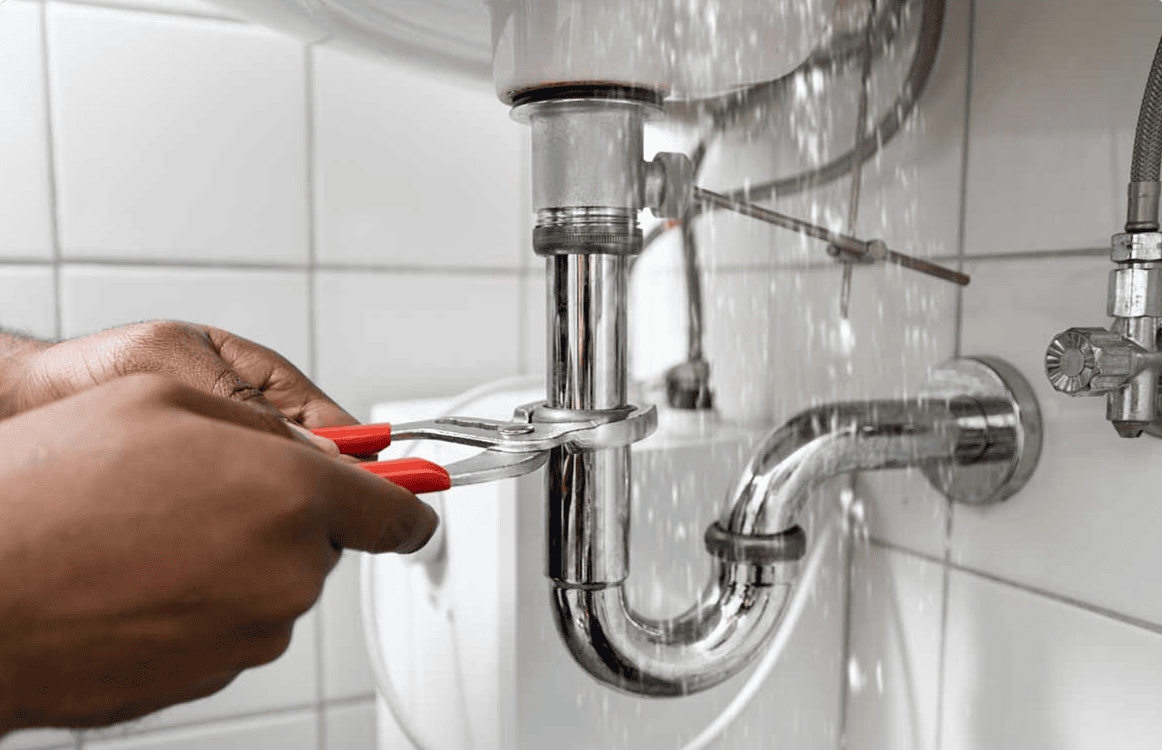
A plumbing problem doesn’t have to involve a completely flooded house to become an emergency.
Water spreading across a floor, sewage backing up into the home, a burst pipe or a leak that cannot be stopped can cause serious damage when left alone. Other problems may be frustrating but can usually wait for a scheduled plumbing appointment.
So how do you tell the difference?
For O’Fallon homeowners, the simplest question is:
Is the problem actively threatening your home, your health, or your ability to use essential plumbing?
If the answer is yes, you should treat the situation as urgent.
Knowing what qualifies as a plumbing emergency can help you act quickly without treating every dripping faucet or slow drain as an after-hours crisis.
When Is a Plumbing Problem Considered an Emergency?
A plumbing issue generally deserves immediate attention when waiting could make the situation significantly worse.
That includes situations involving:
- Uncontrolled or rapidly spreading water
- Burst or severely damaged pipes
- Sewage entering the home
- Major drain or sewer backups
- An overflowing toilet that cannot be controlled
- A water heater that is actively leaking
- Loss of essential water service
- Water reaching electrical equipment or creating another safety concern
The key isn’t simply how inconvenient the problem is.
The question is whether delaying the repair could result in more damage, contamination, safety concerns or loss of essential plumbing service.
7 Plumbing Problems That May Require Immediate Attention
1. A Burst Pipe or Uncontrolled Water Leak
A burst pipe is one of the clearest plumbing emergencies.
If water is continuously pouring from a pipe, ceiling, wall or plumbing connection, the priority is to stop the water if it is safe to do so.
Even a relatively short delay can allow water to spread into flooring, drywall, cabinets and other areas of the home.
What to do first
If you can safely access the appropriate shut-off valve, turn off the water supply.
Then move belongings away from the affected area if possible and contact a professional plumber.
Don’t spend time trying to make a major pipe failure a DIY repair.
2. Sewage Backing Up Into Your Home
A sewage backup is more than a drainage inconvenience.
Wastewater entering a bathtub, floor drain, toilet or other fixture can create a sanitation concern and should be treated seriously.
If sewage is backing up:
- Avoid contact with the wastewater
- Stop using plumbing fixtures if possible
- Keep children and pets away from the affected area
- Don’t continue flushing toilets or running water
- Contact a plumbing professional
A recurring sewer problem can also indicate that the problem is farther down the system rather than simply being a clogged individual drain.
3. A Toilet That Is Overflowing and Won’t Stop
A toilet overflow isn’t always an emergency.
But if the toilet continues filling or overflowing and you cannot stop the water, the situation becomes much more urgent.
The immediate goal is to prevent contaminated water from spreading across the bathroom floor.
If you can safely stop the toilet’s water supply, do so. If the overflow continues or you cannot determine the cause, professional help may be necessary.
4. Multiple Drains Backing Up at the Same Time
One slow bathroom sink isn’t necessarily an emergency.
But if several drains suddenly begin backing up or draining poorly at the same time, pay attention.
For example:
- The kitchen sink backs up
- The bathtub drains slowly
- A toilet gurgles
- Another fixture begins backing up
When multiple fixtures are affected, the problem may involve a larger portion of the drainage system.
Continuing to run water can potentially make the situation worse.
5. A Water Heater Is Leaking Heavily
A water heater problem can range from a minor issue that can be scheduled to a situation requiring immediate attention.
If you’re seeing active water around the unit, particularly if the amount is increasing quickly, don’t ignore it.
A leaking water heater can damage flooring and surrounding areas, especially when the leak continues while nobody is home.
Arch Plumbing can evaluate the unit and determine whether repair or replacement is appropriate.
6. You Suddenly Have No Water
A complete loss of water throughout the home deserves investigation.
Before assuming you need emergency plumbing service, check whether:
- The issue affects the entire home
- Your main shut-off valve has been turned off
- There is a known utility interruption
- A nearby plumbing repair has affected the supply
If neighboring homes have water and yours suddenly does not, there may be a problem within your home’s plumbing system.
7. Water Is Near an Electrical Hazard
Water and electricity create a particularly dangerous combination.
If water is spreading toward electrical outlets, appliances, electrical panels or other electrical equipment, don’t put yourself at risk trying to reach the plumbing source.
Move away from the affected area and seek appropriate emergency assistance.
The plumbing repair should only be addressed once the area is safe.
What Plumbing Problems Can Usually Wait?
This distinction is important because not every plumbing problem requires emergency service.
Some problems should still be repaired promptly, but they may be appropriate for a normal appointment if there is no active damage or immediate safety concern.
Usually less urgent situations include:
| Plumbing problem | Typical urgency |
|---|---|
| Small faucet drip | Schedule service |
| One slow drain | Schedule service |
| Running toilet that can be shut off | Schedule service |
| Minor fixture leak contained by a shut-off | Schedule service |
| Low water pressure without other symptoms | Schedule evaluation |
| Aging plumbing fixture | Schedule replacement/repair |
| Recurring drain clog | Schedule service before it worsens |
This doesn’t mean these problems should be ignored.
A slow drain can become a blockage. A small leak can become larger. A recurring toilet problem can eventually cause water damage.
The difference is that you may have time to schedule the repair rather than needing immediate emergency intervention.
A Simple Test: Can It Safely Wait?
If you’re standing in your O’Fallon home wondering whether you need a plumber right now, consider these questions:
Is water actively spreading?
If yes, treat it as urgent.
Is sewage entering the home?
If yes, treat it as urgent.
Can you safely stop the water?
If you can't stop an active leak, don't wait.
Are multiple plumbing fixtures affected?
This can indicate a larger drainage or supply problem.
Is the problem creating a health or safety concern?
If yes, don't delay professional help.
Is the issue contained and stable?
A contained drip or single slow drain may be appropriate for a scheduled appointment.
When you’re unsure, describe the symptoms to a plumbing professional and ask whether the situation requires immediate attention.
What Should You Do During a Plumbing Emergency?
Your first priority isn’t diagnosing the plumbing system.
It’s limiting damage and keeping people safe.
1. Stop the water if you can do so safely
Use the appropriate fixture shut-off or main water shut-off valve when accessible.
2. Stop using affected plumbing fixtures
If a sewer or major drain backup is occurring, continuing to run water can make the situation worse.
3. Protect people and belongings
Keep children and pets away from contaminated water or areas with active leaks.
Move valuables away from water when it can be done safely.
4. Don’t attempt a dangerous repair
A burst pipe, sewage backup or plumbing problem involving electrical equipment isn’t the time to experiment with a DIY repair.
5. Contact a professional plumber
Explain exactly what you’re seeing:
“Water is coming through the ceiling.”
is much more useful than:
“I have a plumbing problem.”
Specific information can help the plumber understand the situation before arriving.
What About Plumbing Problems That Happen at Night?
This is where homeowners often get stuck.
A plumbing problem happening at 2 a.m. doesn’t automatically make it an emergency.
The time of day isn’t what determines the urgency.
A dripping faucet that can be shut off may be able to wait until morning.
A burst pipe flooding the home cannot.
Likewise, a sewage backup doesn’t become less serious because it happens outside normal business hours.
The better question is:
What happens if I wait several more hours?
If the answer is that water will continue spreading, sewage will remain in the home, or the situation could cause significant additional damage, seek professional help promptly.
How Arch Plumbing Can Help O’Fallon Homeowners
When a plumbing problem is urgent, homeowners need a plumber who can determine what is actually happening and recommend the appropriate repair.
Arch Plumbing provides residential plumbing services for homeowners in O’Fallon and surrounding St. Charles County communities.
Our plumbing services include problems involving:
- Drains and clogs
- Sewer lines
- Water heaters
- Toilets
- Faucets and fixtures
- Water supply plumbing
- Sump pumps
- Gas lines
- Main shut-off valves
- Kitchen and bathroom plumbing
The goal isn’t to turn every plumbing problem into an emergency.
It’s to identify the problem, address the immediate concern and recommend the right repair for the situation.
Don’t Wait When Your Plumbing Is Causing Active Damage
A dripping faucet and a burst pipe aren’t the same problem.
Neither are a slow drain and sewage backing up through your bathtub.
Knowing that difference can help O’Fallon homeowners respond appropriately when something goes wrong.
If water is actively spreading, sewage is backing up, a pipe has burst or you’re dealing with another plumbing problem that cannot safely wait, contact Arch Plumbing to discuss the situation and make an appointment.
FAQs
What is considered a plumbing emergency?
A plumbing emergency generally involves active water damage, sewage exposure, a burst pipe, a major uncontrollable leak, loss of essential plumbing service or another situation where waiting could cause significant damage or create a safety concern.
Is a leaking faucet a plumbing emergency?
Usually not if the leak is minor and can be contained or stopped. However, a leak that cannot be controlled or is causing active property damage should be treated as urgent.
Is a clogged drain an emergency?
A single slow drain usually isn’t an emergency. However, multiple drains backing up, sewage coming into the home or rapidly worsening drainage can indicate a more serious problem.
Should I turn off my home's main water supply during a plumbing emergency?
If water is actively leaking and you can safely access the main shut-off valve, turning off the water can help limit damage while you arrange professional assistance.
What should I do if sewage backs up into my home?
Avoid contact with the wastewater, stop using plumbing fixtures if possible, keep people and pets away from the affected area and contact a plumbing professional.
When should I call a plumber for a water heater leak?
If your water heater is actively leaking or releasing a significant amount of water, don’t wait to see whether the problem gets worse. Shut off the water or unit if it is safe to do so and contact a professional.
Let’s Book Your Appointment
Fill out the form below and our team will contact you shortly to confirm your appointment.




