
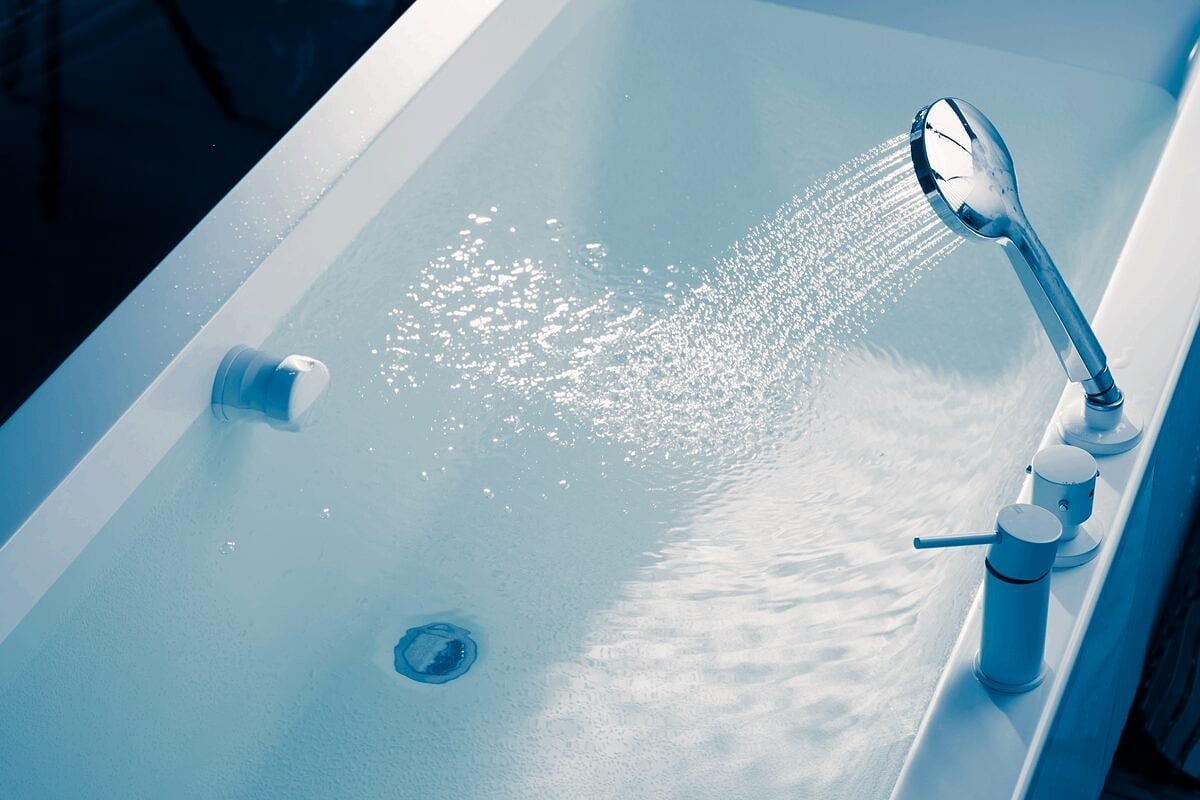
Have you ever turned on the shower or emptied a sink only to notice dirty water rising through the bathtub or shower drain?
That isn’t normal.
Water backing up into a bathtub or shower usually means water isn’t flowing properly through the home’s drainage system. The cause could be a relatively simple clog near the fixture, but it can also indicate a blockage farther down the drain line or, in some situations, a sewer-related problem.
The important thing is not to assume that the bathtub or shower itself is necessarily the problem.
At Arch Plumbing, we help homeowners throughout St. Louis and St. Charles County troubleshoot drainage problems and determine what’s causing water to back up where it shouldn’t.
Here’s what can cause it—and what homeowners should do next.
Why Does Water Back Up Into the Bathtub or Shower?
Your home’s drains are connected through a network of pipes that carry wastewater away from fixtures. When water encounters an obstruction, it may have nowhere to go.
Because water follows the path of least resistance, it can sometimes move backward through another nearby fixture.
For example, if the main drain serving a bathroom becomes partially blocked, wastewater from a sink or shower may not be able to move through the pipe normally. Instead, the water may rise through the lowest nearby drain—often the bathtub or shower.
That’s why a bathtub filling with dirty water when another fixture is used can be an important warning sign.
1. A Clogged Shower or Bathtub Drain
The simplest explanation is a blockage directly in the bathtub or shower drain.
Hair, soap residue, dirt, and other debris can accumulate over time. A partial blockage may still allow some water through, but the drain will become progressively slower.
You might notice:
- Water draining more slowly than usual
- Standing water after a shower
- Water rising around your feet while showering
- Gurgling from the drain
- Unpleasant drain odors
- The problem getting worse over time
If the water only backs up while the bathtub or shower itself is being used, the blockage may be relatively close to that fixture.
However, repeated backups can indicate something farther down the line.
2. A Blocked Bathroom Drain Line
Sometimes the problem isn’t the individual drain.
A blockage farther down the bathroom’s drainage system can affect multiple fixtures.
For example, you might notice that:
- The sink drains slowly.
- The shower backs up.
- The toilet makes unusual sounds.
- Water drains slowly from multiple fixtures.
When several fixtures begin showing symptoms at the same time, it’s a good reason to consider a larger drain-line problem rather than treating each fixture separately.
Trying to clear one drain may provide temporary relief without addressing the underlying obstruction.
3. A Main Drain or Sewer Line Blockage
If water backs up into the shower or bathtub when you flush the toilet, run the washing machine, or use another large-volume fixture, the problem may be farther downstream.
A partially blocked main drain or sewer line can prevent wastewater from leaving the home efficiently.
Because bathtubs and showers are often positioned relatively low compared with other plumbing fixtures, they can become a visible location for wastewater to surface.
Potential warning signs include:
- Multiple drains backing up
- Toilets gurgling
- Water appearing in the shower when another fixture is used
- Repeated drain backups
- Sewage odors
- Slow drainage throughout the home
- Dirty or foul-smelling water coming back through a drain
These symptoms deserve more attention than an isolated slow shower drain.
4. A Clogged or Blocked Drain Vent
Your plumbing system also relies on properly functioning vent pipes.
Drain vents help regulate air pressure within the drainage system and allow wastewater to flow properly.
If a vent becomes obstructed, you may notice unusual drainage behavior, including:
- Gurgling drains
- Slow drainage
- Bubbling toilets
- Unusual odors
- Water movement in nearby fixtures
A venting issue isn’t something homeowners can always diagnose from the fixture alone. If the drainage system continues behaving strangely after obvious blockages have been addressed, professional evaluation may be necessary.
5. A Problem With the Sewer Line
A more serious possibility is a sewer-line obstruction or damage.
Sewer lines can develop problems for several reasons, including buildup, root intrusion, deterioration, or damage to the line.
A sewer-related issue becomes more concerning when backups are recurring or multiple fixtures are affected.
You may also notice sewage odors or wastewater appearing in tubs, showers, floor drains, or other low points in the home.
If wastewater is backing up into your bathtub or shower, particularly if it appears dirty or has a sewage odor, avoid treating it as an ordinary drain clog until the cause is understood.
How to Tell Where the Problem May Be
The pattern of the backup can provide useful clues.
Water backs up only while the shower is running
The obstruction may be close to the shower or bathtub drain.
The sink and shower are both draining slowly
The problem may be farther down the shared bathroom drain line.
The bathtub fills when you flush the toilet
This can point toward a blockage affecting the bathroom’s shared drainage system.
The shower backs up when the washing machine runs
A larger drain-line restriction may be preventing a high volume of wastewater from leaving the home efficiently.
Multiple fixtures throughout the house are backing up
This can indicate a main drain or sewer-line problem and should be professionally evaluated.
These patterns aren’t a substitute for professional diagnosis, but they can help homeowners understand why the problem may be occurring.
Is the Backed-Up Water Clean or Dirty?
Pay attention to what the water looks and smells like.
If clear water is slowly accumulating because a shower drain isn’t draining, the issue may simply be a localized blockage.
But dirty, gray, brown, or foul-smelling water coming back through a bathtub or shower drain is more concerning.
It may indicate that wastewater from another part of the plumbing system is moving backward through the drain.
If you suspect sewage is backing up into your home, avoid unnecessary contact with the water and address the plumbing problem promptly.
What Should You Do When Water Backs Up Into the Shower?
If water is actively backing up, the first step is to reduce the amount of water entering the drainage system.
Stop using the affected shower or bathtub and, if multiple fixtures are involved, minimize water use throughout the home until the cause is identified.
Then:
- Stop running water into the affected drain.
- Don’t continue flushing toilets if wastewater is backing up.
- Check whether other drains are also slow or backing up.
- Look for sewage odors or unusually dirty water.
- Avoid repeated attempts to force a stubborn blockage through the drain.
- Contact a professional plumber if the backup is recurring or affects multiple fixtures.
If wastewater is coming into the home, prompt attention can help reduce the risk of additional water damage and sanitation concerns.
Should You Use Chemical Drain Cleaner?
It’s tempting to reach for a chemical drain cleaner when a bathtub or shower backs up.
However, a chemical product may not address the actual cause if the obstruction is deep in the drain line or sewer system.
It also won’t solve problems such as:
- Damaged drain pipes
- Root intrusion
- A blocked main line
- Certain venting problems
- Structural problems within a sewer line
If a drain repeatedly backs up after being treated, the issue deserves a proper diagnosis rather than repeated chemical treatments.
When Is a Bathtub or Shower Backup an Emergency?
Not every slow drain is an emergency. But some backup situations deserve prompt professional attention.
Call a plumber promptly if:
- Wastewater is coming up through the shower or bathtub.
- Multiple drains are backing up.
- The toilet and shower are affected at the same time.
- You smell sewage.
- The problem keeps returning.
- Water backs up whenever another major fixture is used.
- You suspect a main drain or sewer-line blockage.
- The backup is causing water damage.
A recurring backup isn’t something you should have to live with. It can be a sign that the underlying drainage problem hasn’t been resolved.
How Can Homeowners Prevent Drain Backups?
No plumbing system is completely immune to clogs, but homeowners can reduce the likelihood of drainage problems.
Keep hair out of shower drains
A drain screen can catch hair before it enters the plumbing system.
Be careful what goes down bathroom drains
Avoid sending large amounts of debris, wipes, or inappropriate materials down drains.
Don’t pour grease down household drains
Grease can contribute to buildup as it travels through plumbing.
Pay attention to slow drains
A drain that is becoming progressively slower is often providing an early warning.
Don’t ignore recurring backups
If a drain repeatedly clogs after being cleared, investigate the reason rather than treating each occurrence as a separate problem.
Know your home’s plumbing shutoffs
Knowing how to shut off your water can be valuable during a serious plumbing emergency.
Why Professional Drain Diagnosis Matters
The visible symptom isn’t always where the actual problem is.
Water backing up into a bathtub might look like a bathtub drain problem, while the real obstruction could be farther down the bathroom drain, main drain, or sewer line.
A professional plumber can evaluate the pattern of the backup and determine what is most likely causing the restriction.
That can help prevent homeowners from repeatedly paying to clear the same symptom without addressing the underlying issue.
Local Drain Cleaning and Plumbing Help in St. Louis & St. Charles County
Water backing up into a bathtub or shower is more than an inconvenience. It’s a sign that wastewater isn’t moving through the plumbing system as it should.
Whether the cause is a localized clog, a deeper drain-line obstruction, or a more serious sewer problem, identifying the source is the first step toward the right solution.
Arch Plumbing is a family-owned plumbing company serving homeowners throughout St. Louis and St. Charles County. Our family has more than 60 years of master plumber experience, and we’ve been serving local homeowners since 2008.
We help homeowners with drain cleaning, clogged drains, sewer line repairs, plumbing leaks, and other residential plumbing needs.
If water is backing up into your bathtub or shower, don’t keep waiting for it to clear on its own.
Contact Arch Plumbing to schedule professional drain and plumbing service.
Frequently Asked Questions
Why is dirty water backing up into my bathtub?
Dirty water backing up into a bathtub can indicate a blockage farther down the bathroom drain system or, in some cases, a main drain or sewer-line problem. If multiple fixtures are affected, professional diagnosis is recommended.
Why does my shower back up when I flush the toilet?
If the shower backs up when you flush the toilet, there may be a restriction in the shared bathroom drain line. A more significant blockage farther downstream can also cause wastewater to move toward the shower or bathtub drain.
Why does water come up through my shower drain when the washing machine runs?
A washing machine releases a large amount of wastewater quickly. If a drain line is partially blocked, that water may not move through the system fast enough and can back up through a nearby shower or bathtub drain.
Is water backing up into the bathtub a sewer problem?
It can be, but not always. A localized bathtub clog is one possibility. However, if multiple fixtures are affected, the water smells like sewage, or backups keep returning, a main drain or sewer-line problem should be considered.
Should I use drain cleaner when my bathtub is backed up?
Chemical drain cleaners may not resolve deeper or recurring blockages and won’t correct problems such as damaged pipes or sewer-line issues. If the backup continues or returns, professional drain cleaning or diagnosis may be necessary.
How can I tell if I have a main sewer line clog?
Multiple slow or backed-up fixtures, toilet gurgling, sewage odors, and wastewater appearing in low-level drains can be warning signs of a main drain or sewer-line problem. A plumber can determine whether the blockage is localized or farther downstream.
Water Backing Up Into Your Shower or Bathtub?
Don’t ignore recurring backups or wastewater coming through a drain.
Arch Plumbing provides drain cleaning and residential plumbing services for homeowners throughout St. Louis and St. Charles County.
Call Arch Plumbing to schedule service.
Let’s Book Your Appointment
Fill out the form below and our team will contact you shortly to confirm your appointment.




