
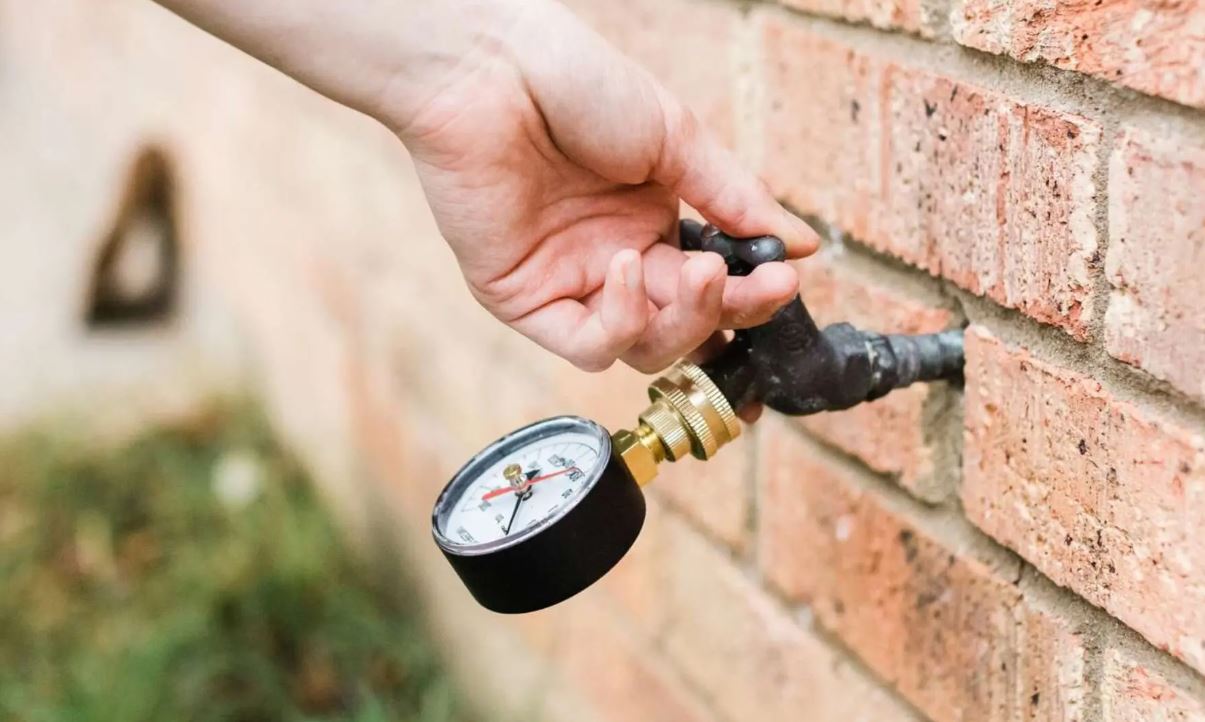
If you’ve noticed weak water flow from your faucets or a shower that no longer feels as powerful as it once did, you’re not alone. Low water pressure is one of the most common plumbing complaints among homeowners in St. Charles County. While it may seem like a minor inconvenience, low water pressure can sometimes indicate an underlying plumbing issue that requires professional attention.
Understanding the cause of low water pressure can help you determine whether a simple fix is possible or if it’s time to call a plumber.
What Does Low Water Pressure Look Like?
Low water pressure can affect daily activities throughout your home. Common signs include:
- Weak water flow from faucets
- Poor shower performance
- Washing machines taking longer to fill
- Slow-filling bathtubs
- Reduced pressure at multiple fixtures
- Low hot water pressure throughout the home
If you’ve noticed one or more of these issues, there may be a problem somewhere within your plumbing system.
1. Hidden Water Leaks
One of the most common causes of low water pressure is a hidden leak. Even a small leak behind a wall, under a slab, or underground can reduce the amount of water reaching your fixtures.
Signs of a hidden leak may include:
- Unusually high water bills
- Damp spots on floors or walls
- Musty odors
- The sound of running water when no fixtures are in use
If your water pressure drops suddenly, a leak should be investigated as soon as possible.
2. Mineral Buildup From Hard Water
Many homes in the St. Charles County area experience hard water. Over time, minerals such as calcium and magnesium can accumulate inside pipes, faucets, and showerheads.
This buildup gradually restricts water flow and can cause noticeable pressure loss.
Common signs include:
- White deposits around fixtures
- Reduced flow from faucets
- Uneven water pressure throughout the home
Professional cleaning or replacement of affected plumbing components may be necessary.
3. Partially Closed Shut-Off Valves
Sometimes the solution is surprisingly simple. If a plumbing repair, water heater installation, or maintenance service was recently completed, the main shut-off valve or water meter valve may not have been fully reopened.
Even a partially closed valve can significantly reduce water pressure throughout your home.
4. Water Heater Problems
If only the hot water side has low pressure, the issue may be connected to your water heater. Potential causes include:
- Sediment buildup inside the tank
- Corroded water heater connections
- Clogged supply lines
- Aging water heater components
A professional inspection can determine whether repair or replacement is the best option.
5. Aging or Corroded Pipes
Older homes may contain galvanized steel pipes that gradually corrode from the inside. As corrosion builds up, the internal diameter of the pipe becomes smaller, restricting water flow.
Signs of aging pipes include:
- Low water pressure throughout the home
- Rust-colored water
- Frequent plumbing leaks
- Uneven water flow
In some cases, pipe replacement may provide a long-term solution.
6. Faulty Pressure Regulator
Some homes use a pressure regulator to control incoming water pressure. When this device fails, homeowners may experience:
- Sudden drops in pressure
- Inconsistent water flow
- Pressure fluctuations throughout the day
A licensed plumber can test and replace a faulty regulator if needed.
7. Municipal Water Supply Issues
Occasionally, the problem may not be inside your home.
Water main repairs, utility maintenance, or increased local demand can temporarily affect water pressure throughout a neighborhood.
If your neighbors are experiencing similar issues, the local water provider may be the source of the problem.
When Should You Call a Plumber?
While some causes of low water pressure are simple, others require professional diagnosis.
Contact a plumber if:
- Water pressure suddenly drops
- Multiple fixtures are affected
- You suspect a hidden leak
- Your water bill has increased unexpectedly
- Pressure continues to worsen over time
- You notice signs of pipe corrosion
Addressing the problem early can help prevent costly repairs and water damage.
How Arch Plumbing Can Help
At Arch Plumbing, we help homeowners throughout St. Charles County identify and resolve low water pressure problems quickly and accurately. Whether the issue involves a hidden leak, aging pipes, mineral buildup, or a failing plumbing component, our experienced team can diagnose the cause and recommend the right solution.
From leak detection and plumbing repairs to water line services and fixture replacements, we’re committed to helping local homeowners restore reliable water pressure and peace of mind.
Frequently Asked Questions About Low Water Pressure
Why did my water pressure suddenly drop?
A sudden drop in water pressure may be caused by a hidden leak, a partially closed valve, a water main issue, or a failed pressure regulator. If the problem affects multiple fixtures, it’s a good idea to have your plumbing system inspected.
Can a water leak cause low water pressure?
Yes. Even a small leak can reduce water pressure by allowing water to escape before it reaches your faucets, showers, and appliances.
Does hard water affect water pressure?
Over time, hard water minerals can build up inside pipes and fixtures, restricting water flow and causing reduced pressure throughout the home.
Why is my shower pressure low but my sink pressure is normal?
This often indicates a clogged showerhead, mineral buildup, or a fixture-specific issue rather than a whole-house plumbing problem.
Can an old water heater cause low water pressure?
Yes. Sediment buildup, corroded connections, or aging components inside a water heater can reduce hot water pressure.
Should I worry about low water pressure?
Low water pressure can be more than an inconvenience. It may indicate hidden leaks, pipe deterioration, or plumbing system problems that can worsen if left untreated.
How do plumbers diagnose low water pressure?
Professional plumbers inspect valves, fixtures, water lines, pressure regulators, and potential leak locations to determine the exact cause of the pressure loss.
Let’s Book Your Appointment
Fill out the form below and our team will contact you shortly to confirm your appointment.




