
Lake St. Louis is home to a wide variety of neighborhoods and subdivisions, from newer developments to established homes that have been around for decades. While every house is different, there are certain plumbing problems that tend to come up repeatedly in residential homes.
At Arch Plumbing, we work with homeowners throughout Lake St. Louis and the surrounding St. Charles County area. Over time, we’ve seen how everyday wear, aging plumbing components, hard water, drainage issues, and the construction characteristics of individual homes can contribute to recurring plumbing problems.
Some issues start as minor inconveniences. A slow drain, a dripping faucet, or a toilet that occasionally runs may not seem urgent. But ignoring these warning signs can allow a relatively simple plumbing problem to become a more expensive repair.
Here are some of the plumbing issues Lake St. Louis homeowners should know about—and what you can do when they show up in your home.
1. Clogged or Slow Drains
Slow drains are among the most common plumbing complaints we hear from homeowners.
Kitchen sinks can collect grease, food particles, and other debris. Bathroom sinks and showers commonly collect hair, soap residue, and buildup. Over time, that material can restrict the flow of water through the drain.
A drain that takes several minutes to empty is giving you a warning. If multiple drains throughout the home begin slowing down at the same time, the problem may be farther down the plumbing system rather than at a single fixture.
Signs you may need professional drain cleaning include:
- Water draining noticeably slower than usual
- Standing water in a sink, shower, or tub
- Repeatedly clogged drains
- Gurgling sounds from drains
- Unpleasant odors coming from a drain
- More than one fixture draining slowly
Chemical drain cleaners may provide temporary relief, but they don’t necessarily remove the underlying obstruction and can be harsh on plumbing components.
If a clog keeps coming back, it’s worth having the drain professionally evaluated instead of repeatedly treating the symptom.
Need help with a stubborn drain? Arch Plumbing provides drain cleaning and clogged drain solutions for homeowners in Lake St. Louis and surrounding communities.
2. Leaking Faucets and Fixtures
A dripping faucet might seem like a small problem, but it shouldn’t be ignored indefinitely.
Faucets, shutoff valves, toilet components, and other plumbing fixtures contain moving parts and seals that wear out with use. Eventually, a small drip can turn into a larger leak.
You may also notice moisture around the base of a faucet, under a sink, or around a toilet.
These are good reasons to investigate the source rather than simply wiping up the water.
A professional plumber can determine whether the fixture needs a repair, replacement component, or complete replacement.
3. Running Toilets and Toilet Problems
Toilets are used constantly, so it’s not surprising that they’re one of the most common sources of plumbing problems in a home.
A toilet that continues running after it has been flushed may have a worn flapper, fill valve, float, or another component inside the tank.
Other problems homeowners may encounter include:
- Toilets that won’t flush properly
- Weak flushing
- Frequent clogs
- Water around the toilet base
- Toilets that rock or move
- Unusual sounds after flushing
A constantly running toilet can waste a surprising amount of water over time. Water around the base can be even more concerning because it may indicate a seal or connection problem.
If the toilet is repeatedly clogging or leaking, don’t assume replacing one small part will always solve the problem. The condition of the fixture and surrounding plumbing should be considered.
4. Water Heater Problems
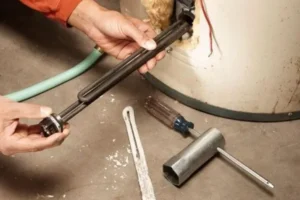
Your water heater works every day, often without much attention from the homeowner—until something goes wrong.
Lake St. Louis homeowners may encounter problems such as inconsistent hot water, unusual noises, leaking tanks, or water that isn’t getting as hot as it should.
Common warning signs include:
- Running out of hot water faster than normal
- Water taking longer to heat
- Rust-colored or discolored hot water
- Popping, banging, or rumbling noises
- Water leaking around the heater
- A noticeable increase in water-heating costs
The cause isn’t always the same. Sediment accumulation, worn components, age, pressure issues, or other problems can affect water heater performance.
If your water heater is leaking, don’t wait to see whether the problem disappears. A leak can worsen and cause water damage around the unit.
Arch Plumbing can help homeowners determine whether their water heater needs repair, maintenance, or replacement.
5. Low Water Pressure
Low water pressure can make normal household tasks frustrating.
You may notice that the shower isn’t as strong as it used to be, the kitchen faucet has weak flow, or water pressure drops when another fixture is being used.
The important thing is to determine whether the problem is isolated to one fixture or affecting the entire house.
A single faucet with low pressure may have a clogged aerator or fixture-specific issue. Low pressure throughout the home can have a different cause.
Possible contributing factors can include:
- Mineral buildup
- Partially closed valves
- Plumbing leaks
- Pressure-related problems
- Issues with the home’s plumbing system
If the change in pressure is sudden or significant, it’s better to investigate it rather than simply accepting it as normal.
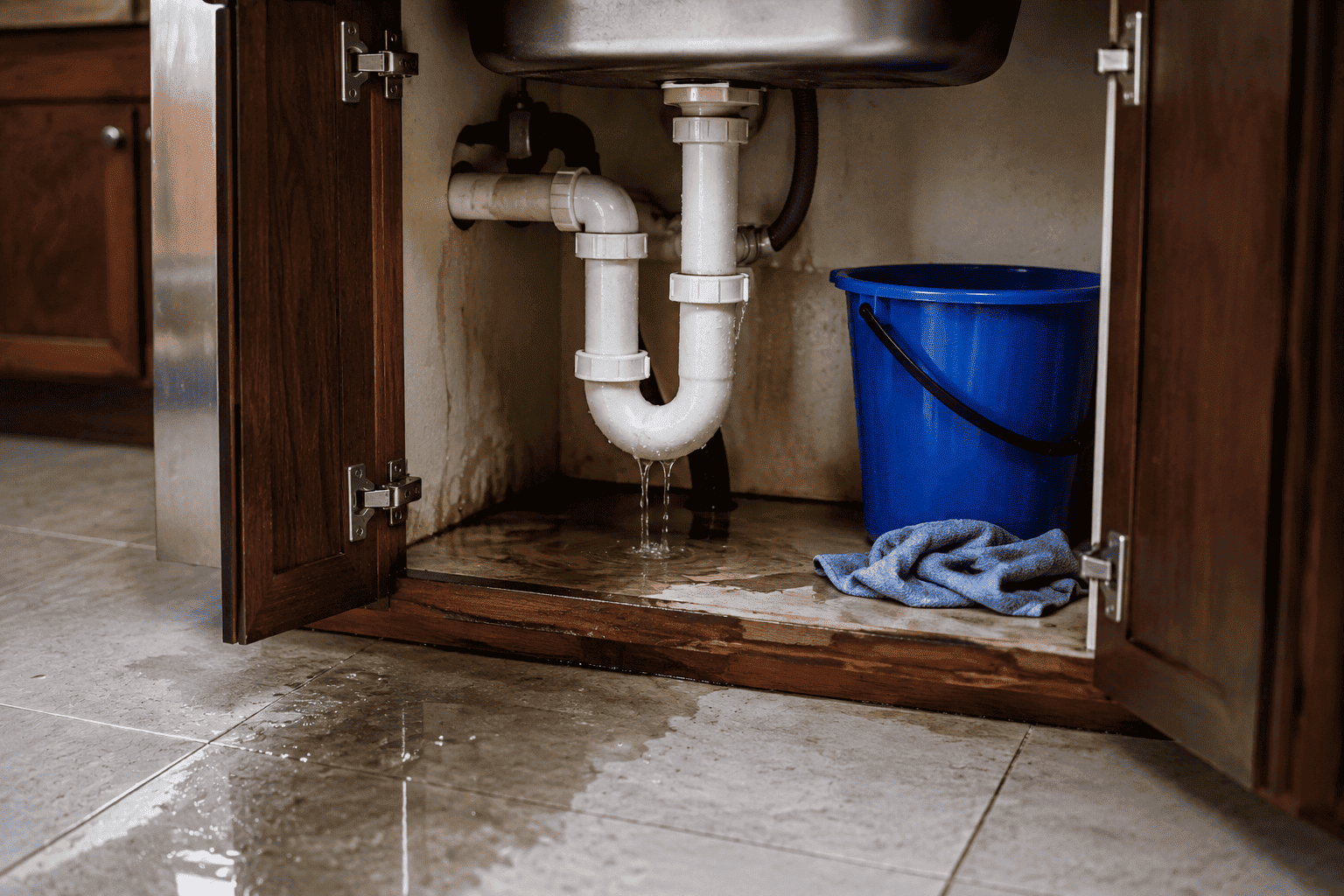
6. Plumbing Leaks Under Sinks and Inside Cabinets
The plumbing underneath a kitchen or bathroom sink is easy to overlook.
Because the pipes and connections are hidden inside cabinets, a small leak can continue unnoticed until homeowners discover water stains, damaged cabinet material, warped flooring, or a musty smell.
Check underneath sinks periodically for:
- Damp cabinet bottoms
- Water around supply connections
- Corrosion on pipes
- Drips after using the sink
- Musty odors
- Swollen or damaged cabinetry
A small visible leak can sometimes point to a larger problem with a connection, valve, drain assembly, or supply line.
7. Sump Pump Problems
For homes equipped with a sump pump, the system plays an important role in managing water around the foundation.
The problem with sump pumps is that homeowners often don’t think about them until heavy rain arrives.
A pump that doesn’t start, runs continuously, makes unusual noises, or doesn’t remove water properly deserves attention before the next major storm.
Homeowners should periodically check that the sump pump operates properly and that its discharge system is functioning as intended.
If the pump isn’t keeping up with incoming water or has stopped working, professional service may be necessary.
8. Water Leaks That Aren’t Immediately Visible
Not every plumbing leak announces itself with a puddle.
Some leaks can occur behind walls, beneath floors, under sinks, or in other concealed areas. By the time the homeowner notices a water stain or musty smell, the leak may have already been present for some time.
Watch for signs such as:
- Unexpected increases in water usage
- Water stains on walls or ceilings
- Peeling or bubbling paint
- Damp flooring
- Musty odors
- Sounds of running water when fixtures are off
- Areas of flooring that feel unusually soft
If you suspect a hidden plumbing leak, getting it checked sooner can help limit water damage and prevent a small plumbing repair from becoming a much larger restoration project.
9. Garbage Disposal Problems
Kitchen garbage disposals take a lot of abuse.
Food scraps, grease, fibrous materials, and inappropriate items can contribute to jams, odors, leaks, and poor drainage.
A disposal that hums but doesn’t grind, leaks underneath the sink, or causes repeated kitchen drain problems shouldn’t simply be forced to keep running.
If the disposal is reaching the end of its useful life, replacement may make more sense than repeatedly repairing an aging unit.
10. Hose Bib and Outdoor Faucet Leaks
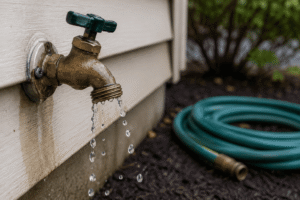
Outdoor faucets can be easy to forget, especially when everything appears to be working normally.
A leaking hose bib can waste water and may indicate a worn fixture or another plumbing issue. Outdoor plumbing can also experience problems from weather exposure and repeated use.
If you notice water continuing to drip after the faucet has been shut off, water leaking around the connection, or poor flow from the hose bib, it may be time for repair or replacement.
Outdoor faucets are inexpensive compared with the potential cost of ignoring a persistent leak.
Why Plumbing Problems Can Look Different From House to House
One reason it’s difficult to diagnose plumbing problems based only on symptoms is that homes aren’t all built or maintained the same way.
The age of the home, plumbing materials, previous repairs, fixture age, water conditions, and how the plumbing system has been maintained can all affect what is happening.
That’s why a recurring clogged drain isn’t always just “another clog,” and a water pressure problem shouldn’t automatically be blamed on the faucet.
A proper diagnosis looks at the symptoms and the plumbing system behind them.
When Should You Call a Plumber?
Not every plumbing problem requires an emergency service call. But some warning signs shouldn’t be ignored.
Call a professional plumber when you notice:
- A leak you cannot stop
- Water damage around plumbing fixtures
- A suspected hidden leak
- Repeated drain or toilet clogs
- No hot water
- A leaking water heater
- Sudden loss of water pressure
- A sump pump that isn’t working
- Sewer-related odors or drainage problems
- Water accumulating where it shouldn’t
The earlier a plumbing problem is identified, the more options you may have for addressing it before additional damage occurs.
How Lake St. Louis Homeowners Can Prevent Plumbing Problems
You don’t have to wait for a plumbing emergency to think about your home’s plumbing.
A few simple habits can help identify problems earlier:
Check under sinks
Look for moisture, corrosion, staining, or unusual odors every few weeks.
Pay attention to water pressure
If pressure suddenly changes, investigate rather than assuming it’s temporary.
Don’t ignore slow drains
A drain that is getting progressively slower is often easier to address before it becomes completely blocked.
Know where your main shutoff valve is
Every homeowner should know how to shut off the home’s main water supply in an emergency.
Check your water heater
Look around the unit for signs of moisture, corrosion, or unusual noises.
Test your sump pump
Don’t wait until heavy rain to discover that the pump isn’t working.
Address small leaks
A dripping faucet or leaking valve may be a minor repair today but can contribute to water waste or damage if left unresolved.
Local Plumbing Help for Lake St. Louis Homeowners
When plumbing problems happen, homeowners want more than someone who can simply stop the immediate leak or clear the immediate clog. They want to know why the problem happened and what should be done next.
Arch Plumbing is a family-owned plumbing company serving Lake St. Louis and communities throughout St. Charles County. Our family has more than 60 years of master plumber experience, and we’ve been serving local homeowners since 2008.
From everyday residential plumbing repairs to water heaters, clogged drains, leaks, sump pumps, faucets, toilets, and other plumbing needs, our goal is to provide dependable work using quality materials and practical solutions.
If something in your home’s plumbing doesn’t seem right, don’t wait until a small warning sign becomes a major problem.
Need a plumber in Lake St. Louis, MO? Contact Arch Plumbing to schedule residential plumbing service.
Frequently Asked Questions
What are the most common plumbing problems in Lake St. Louis homes?
Common problems include clogged drains, leaking faucets and fixtures, running toilets, water heater issues, low water pressure, leaks under sinks, sump pump problems, garbage disposal issues, and outdoor faucet leaks.
How do I know if a plumbing leak is serious?
A leak deserves prompt attention if it is growing, cannot be stopped, is causing water damage, appears behind a wall or under flooring, or is accompanied by a sudden increase in water usage.
Why does my drain keep clogging?
Recurring clogs can be caused by buildup within the drain line, improper materials entering the drain, or a deeper plumbing issue. If a drain repeatedly becomes clogged after being cleared, professional diagnosis can help identify the underlying cause.
Should I repair or replace an old plumbing fixture?
It depends on the fixture’s condition, age, repair history, and the cost of continued repairs. A plumber can inspect the fixture and help determine whether repair or replacement makes more sense.
How often should homeowners check their plumbing?
A quick visual inspection every few weeks can help identify leaks and other warning signs early. Homeowners should also pay attention to changes in drainage, water pressure, hot water availability, and unusual plumbing sounds.
When should I call a plumber for low water pressure?
If low water pressure is sudden, affects multiple fixtures, continues after checking the obvious causes, or is accompanied by signs of a leak, it’s worth having the plumbing system inspected.
Arch Plumbing — Local Plumbing Service for Lake St. Louis and St. Charles County
Need help with a plumbing problem in your home? Contact Arch Plumbing today to schedule service.
Let’s Book Your Appointment
Fill out the form below and our team will contact you shortly to confirm your appointment.




