
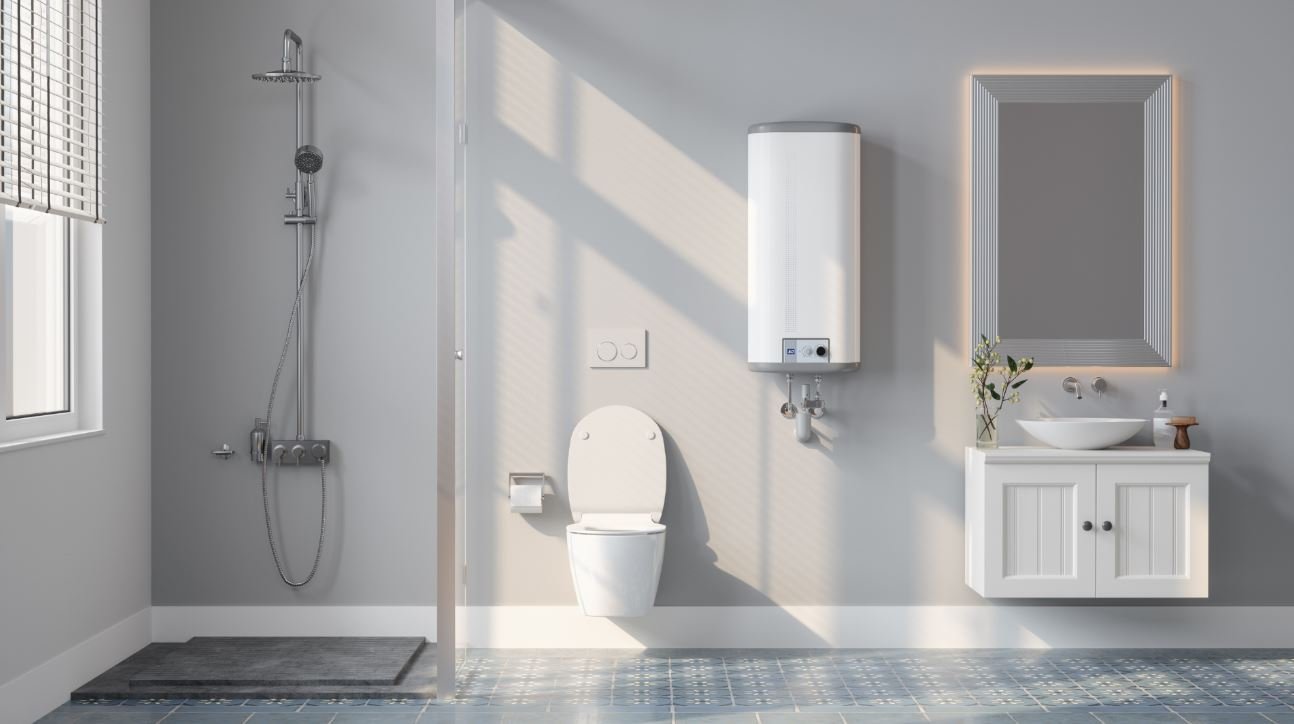
Running out of hot water halfway through a shower, or paying to heat far more water than your household ever uses, usually comes down to the same root cause: the water heater was never sized correctly for the home in the first place. Whether you’re replacing an old unit or installing one in a new home, getting the size right matters more than most homeowners realize.
Here’s how to figure out what size actually fits your Missouri home.
Why Water Heater Size Matters More Than People Think
A water heater that’s too small leaves you running out of hot water during busy mornings or back-to-back showers. One that’s too large wastes energy keeping water hot that you’re not using, and costs more upfront than necessary. The right size comes down to matching the unit to your household’s actual peak demand, not just the number of people living there.
Sizing a Tank Water Heater
Tank water heaters are sized by capacity (gallons) and by First Hour Rating (FHR), which measures how much hot water the unit can deliver in an hour starting from a full tank. FHR is actually a better indicator of real-world performance than tank size alone, since it accounts for both tank capacity and recovery rate.
General Household Sizing Guide
| Household Size | Recommended Tank Capacity |
|---|---|
| 1–2 people | 30–40 gallons |
| 2–3 people | 40–50 gallons |
| 3–4 people | 50 gallons |
| 5+ people | 50–80 gallons |
These numbers shift depending on your household’s habits. A family of four that runs the dishwasher, washing machine, and two showers within the same hour needs more capacity than a family of four with staggered routines.
Questions to Ask Yourself
- How many bathrooms are in regular use at the same time?
- Do you have a soaking tub or a large walk-in shower with multiple heads?
- Does your household tend to use hot water in bursts (everyone showering before work) or spread throughout the day?
- Do you run appliances like a dishwasher or washing machine during peak hot water hours?
If you answered yes to several of these, it’s worth sizing up rather than going with the bare minimum for your household count.
Sizing a Tankless Water Heater
Tankless units are sized differently — instead of gallons, they’re rated by Gallons Per Minute (GPM), which tells you how much hot water the unit can deliver continuously at a given temperature rise.
To size a tankless unit correctly, add up the flow rate of fixtures you’d realistically run at the same time:
| Fixture | Typical Flow Rate |
|---|---|
| Shower | 1.5–2.5 GPM |
| Bathroom faucet | 0.5–1.5 GPM |
| Kitchen faucet | 1.5–2.5 GPM |
| Washing machine | 1.5–3 GPM |
| Dishwasher | 1–2.5 GPM |
For most Missouri homes, that means a household running two showers plus a sink simultaneously needs a unit rated for at least 5–6 GPM in our climate, since incoming groundwater temperature here is colder in winter than in southern states, which affects how hard a tankless unit has to work to hit your target temperature.
Why Missouri’s Climate and Water Affect Sizing
A couple of regional factors make a real difference in sizing decisions here:
- Cold incoming water temperature. Missouri winters bring groundwater temperatures low enough that tankless units need a higher GPM rating than the same household would need in a warmer climate, since the unit has to raise the temperature further.
- Hard water. Much of St. Charles County and the surrounding area deals with moderately hard water, which causes mineral buildup over time. This doesn’t change the size you need, but it does affect how well an undersized unit performs as it ages, since sediment buildup reduces efficiency and capacity further.
Tank vs. Tankless: Which Is Right for Your Home?
Both options can be sized correctly for the same household, but they come with different tradeoffs:
Tank water heaters are typically less expensive upfront, simpler to install in a home already set up for one, and provide a known volume of hot water before it runs out.
Tankless water heaters provide hot water on demand without running out, take up less space, and tend to last longer, but cost more upfront and may require upgraded gas lines or electrical service depending on the model and your home’s existing setup.
Common Sizing Mistakes Homeowners Make
- Sizing based only on household count, without factoring in usage patterns or fixture count
- Replacing an old unit with the same size, without considering that the household’s needs may have changed since it was installed
- Choosing a tankless unit based on price rather than actual GPM needs, leading to lukewarm water during high-demand periods
- Ignoring future plans, like a planned bathroom addition or a growing family, that will increase demand down the road
Frequently Asked Questions
What size water heater do I need for a family of four?
Most families of four do well with a 50-gallon tank unit or a tankless unit rated for at least 5 GPM, though actual usage patterns (like back-to-back showers) can push that higher.
Is bigger always better when it comes to water heater size?
No. An oversized unit wastes energy maintaining hot water you’re not using, which adds unnecessary cost to your utility bill over time.
Can a plumber tell me the exact size I need?
Yes. A plumber familiar with sizing calculations can assess your home’s fixture count, household habits, and incoming water temperature to recommend an accurate size rather than a rough estimate.
Do tankless water heaters need to be sized differently for Missouri homes?
Yes, somewhat. Because incoming groundwater runs colder here in winter months, tankless units often need a slightly higher GPM rating than the same household would need in a warmer climate.
Should I size up if I'm planning to finish a basement bathroom?
It’s worth considering. If you know future demand is coming, sizing for it now can save you from another replacement a few years down the road.
Let Arch Plumbing Help You Size It Right
Choosing the right water heater size isn’t something you should have to guess at. Arch Plumbing has helped homeowners throughout St. Charles County and the surrounding area size, install, and replace water heaters that actually match how their household uses hot water, not just a generic chart.
Call (636) 299-3854 or schedule a consultation online, and we’ll help you find the right fit for your home.
Let’s Book Your Appointment
Fill out the form below and our team will contact you shortly to confirm your appointment.




