
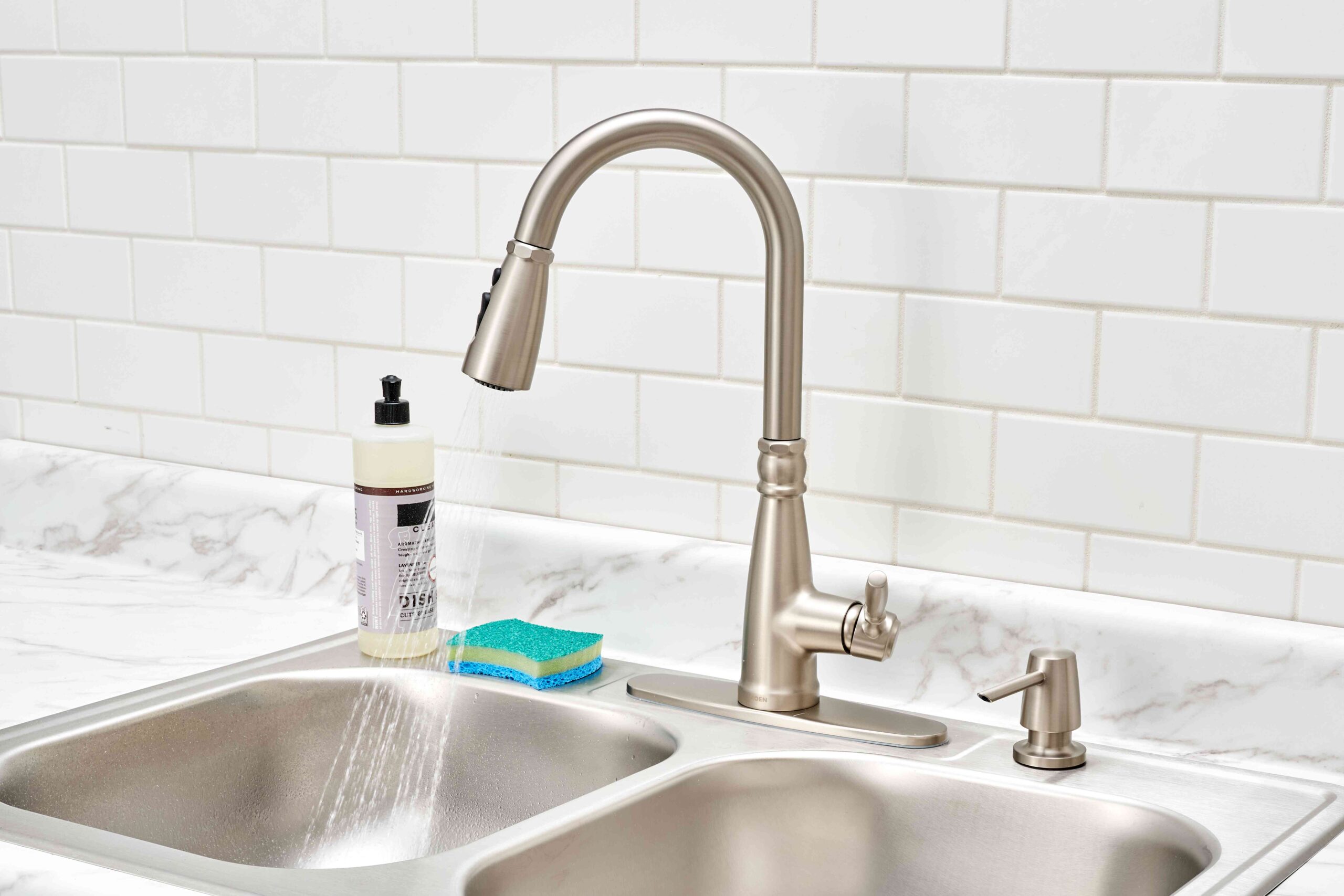
In most cases, a professional faucet installation takes between 1 and 2 hours. However, the exact timeline depends on several factors, including the condition of your existing plumbing, the type of faucet being installed, and whether any unexpected issues are discovered during the process.
At Arch Plumbing, we install and replace faucets throughout St. Charles County, helping homeowners upgrade outdated fixtures, fix persistent leaks, and improve water efficiency.
Quick Answer
Most faucet installations take:
- Bathroom faucet replacement: 1–2 hours
- Kitchen faucet replacement: 1–3 hours
- Faucet installation with plumbing repairs: 2–4 hours or more
If the existing shut-off valves, supply lines, or mounting hardware are damaged or outdated, additional time may be needed to ensure everything is installed safely and correctly.
Factors That Affect Faucet Installation Time
1. The Condition of the Existing Faucet
Older faucets can be more difficult to remove than newer models.
Over time, mounting nuts may corrode, supply lines can become stuck, and mineral buildup from hard water may make disassembly more challenging. Homes in St. Charles County often experience hard water, which can accelerate wear on plumbing fixtures and connections.
Removing an old faucet may take longer than installing the new one if components are heavily corroded.
2. Type of Faucet Being Installed
Not all faucets are created equal.
A standard bathroom faucet is usually straightforward to replace. However, installations involving:
- Pull-down kitchen faucets
- Touchless faucets
- Commercial-style kitchen faucets
- Wall-mounted faucets
- Specialty designer fixtures
may require additional assembly, adjustments, or plumbing modifications.
3. Accessibility Under the Sink
One of the biggest factors affecting installation time is access.
Tight cabinet spaces, limited working room, or existing plumbing configurations can make installation more complex. In some homes, additional time is needed simply to access mounting hardware and plumbing connections safely.
4. Condition of Shut-Off Valves
During a faucet replacement, plumbers often inspect the shut-off valves located beneath the sink.
If a valve is leaking, seized, or no longer functions properly, replacement may be recommended. Replacing faulty shut-off valves during the project can help prevent future leaks and water damage.
5. Supply Line Replacement
Many faucet manufacturers recommend replacing old supply lines when installing a new fixture.
New supply lines provide a more reliable connection and reduce the risk of future leaks. While this adds a small amount of time to the project, it is often a worthwhile investment in long-term reliability.
Signs It’s Time to Replace Your Faucet
You may benefit from a new faucet if you notice:
- Persistent dripping or leaks
- Rust or corrosion around the fixture
- Reduced water pressure
- Difficulty operating handles
- Water stains around the base
- Frequent repairs
- Outdated appearance
In many cases, replacing an aging faucet is more cost-effective than continuing to repair it.
Should You Install a Faucet Yourself?
Many homeowners consider faucet installation a DIY project. While some installations go smoothly, unexpected problems are common.
Potential issues include:
- Damaged water supply lines
- Leaking connections
- Improper mounting
- Broken shut-off valves
- Water damage from unnoticed leaks
A professional installation helps ensure the faucet functions properly and all connections are secure before the project is complete.
How Long Does It Take to Install Different Types of Faucets?
| Faucet Type | Typical Installation Time |
|---|---|
| Bathroom Faucet | 1–2 Hours |
| Kitchen Faucet | 1–3 Hours |
| Pull-Down Kitchen Faucet | 1–3 Hours |
| Touchless Faucet | 2–4 Hours |
| Utility Sink Faucet | 1–2 Hours |
| Bar Sink Faucet | 1–2 Hours |
What Can Make Faucet Installation Take Longer?
Corroded Mounting Hardware
Many homeowners don’t realize the old faucet can be the hardest part of the project. Years of moisture exposure often cause mounting nuts and brackets to seize, making removal difficult.
Hard Water Buildup
St. Charles County homes often experience mineral buildup that can affect supply line connections and faucet components.
Damaged Shut-Off Valves
If the valves under the sink don’t fully close or show signs of leaking, they may need replacement before the new faucet can be installed.
Cabinet Accessibility Issues
Pedestal sinks, corner cabinets, and tight vanity spaces can extend installation time.
Should You Repair or Replace a Faucet?
Repair May Make Sense When:
- Faucet is less than 5 years old
- Leak is caused by a worn cartridge
- Replacement parts are available
- Fixture is otherwise in good condition
Replacement Is Usually Better When:
- Faucet is over 10 years old
- Corrosion is visible
- Repairs have become frequent
- Water efficiency is poor
- Homeowner wants an updated look
How Much Does Faucet Installation Cost in St. Charles County?
One of the most common questions homeowners ask before replacing a faucet is, “How much will the installation cost?” While every project is different, the total cost of faucet installation depends on several factors beyond the faucet itself.
A straightforward faucet replacement is typically quicker and more affordable than a project that involves plumbing repairs or upgrades. During a professional installation, a plumber will inspect the existing plumbing connections and identify any issues that could affect the performance of your new fixture.
Type of Faucet
The type of faucet you choose plays a major role in installation complexity.
Standard bathroom faucets are usually the most straightforward to install. Kitchen faucets, especially pull-down, pull-out, touchless, or commercial-style models, often require additional assembly and adjustments. Some specialty faucets may also need electrical connections, mounting modifications, or extra components that can increase installation time.
Condition of Existing Plumbing
The condition of your home’s plumbing can significantly impact the scope of the project.
If the existing water lines, connections, and fittings are in good shape, installation is generally more efficient. However, older plumbing systems may have worn components, corrosion, mineral buildup, or previous repairs that need attention before a new faucet can be installed properly.
Addressing these issues during installation helps prevent leaks and ensures long-term reliability.
Shut-Off Valve Replacement
Many faucet installations reveal problems with the shut-off valves located beneath the sink.
These valves are designed to stop water flow during repairs and fixture replacements. Over time, they can become difficult to operate, fail to close completely, or develop leaks. If a shut-off valve is damaged or unreliable, replacing it during faucet installation is often the best solution.
Although this adds to the scope of work, it can help homeowners avoid future plumbing emergencies and water damage.
Supply Line Upgrades
Water supply lines connect the faucet to your home’s plumbing system. While they may appear to be in good condition, older supply lines can become worn over time.
Many plumbers recommend replacing aging supply lines whenever a new faucet is installed. New supply lines help reduce the risk of leaks, improve reliability, and ensure compatibility with the new fixture. This small upgrade can provide valuable peace of mind and help protect cabinets, flooring, and surrounding areas from water damage.
Accessibility Under the Sink
The ease of accessing the faucet and plumbing connections also affects installation time.
Some sinks provide plenty of room for tools and repairs, while others can be challenging to work in due to tight cabinets, pedestal sinks, crowded plumbing configurations, or limited workspace. When access is restricted, installation may take longer because additional care is required to remove and install components safely.
Why the Lowest Installation Cost Isn’t Always the Best Value
While it can be tempting to choose the lowest-cost option, faucet installation is about more than simply attaching a new fixture.
A professional installation includes inspecting related plumbing components, checking for hidden leaks, testing connections, and ensuring the faucet operates correctly. Investing in quality workmanship can help prevent future repairs, water damage, and unnecessary expenses.
For homeowners in St. Charles County, the best value often comes from a properly installed faucet that provides years of reliable performance without unexpected problems.
What Happens During a Professional Faucet Installation?
A typical faucet installation includes:
- Turning off the water supply
- Removing the existing faucet
- Inspecting supply lines and shut-off valves
- Installing the new faucet
- Connecting water lines
- Testing for leaks
- Verifying proper operation and water flow
- Cleaning the work area
This process helps ensure your new fixture performs reliably from day one.
Why Homeowners in St. Charles County Choose Professional Installation
A faucet may seem like a simple fixture, but even a small leak can lead to cabinet damage, mold growth, and costly repairs over time.
Professional installation provides:
- Proper fit and operation
- Leak-free connections
- Inspection of related plumbing components
- Manufacturer-compliant installation
- Peace of mind
When completed correctly, a new faucet can provide years of dependable service while improving both functionality and appearance.
Need Faucet Installation in St. Charles County?
Whether you’re upgrading a kitchen faucet, replacing a bathroom fixture, or dealing with a leaking faucet that has reached the end of its lifespan, Arch Plumbing provides reliable faucet installation services throughout St. Charles County.
Our team can help you select the right fixture, inspect existing plumbing connections, and complete the installation professionally so you can enjoy dependable performance without the stress of DIY repairs.
Contact Arch Plumbing today to schedule your faucet installation service.
Let’s Book Your Appointment
Fill out the form below and our team will contact you shortly to confirm your appointment.




