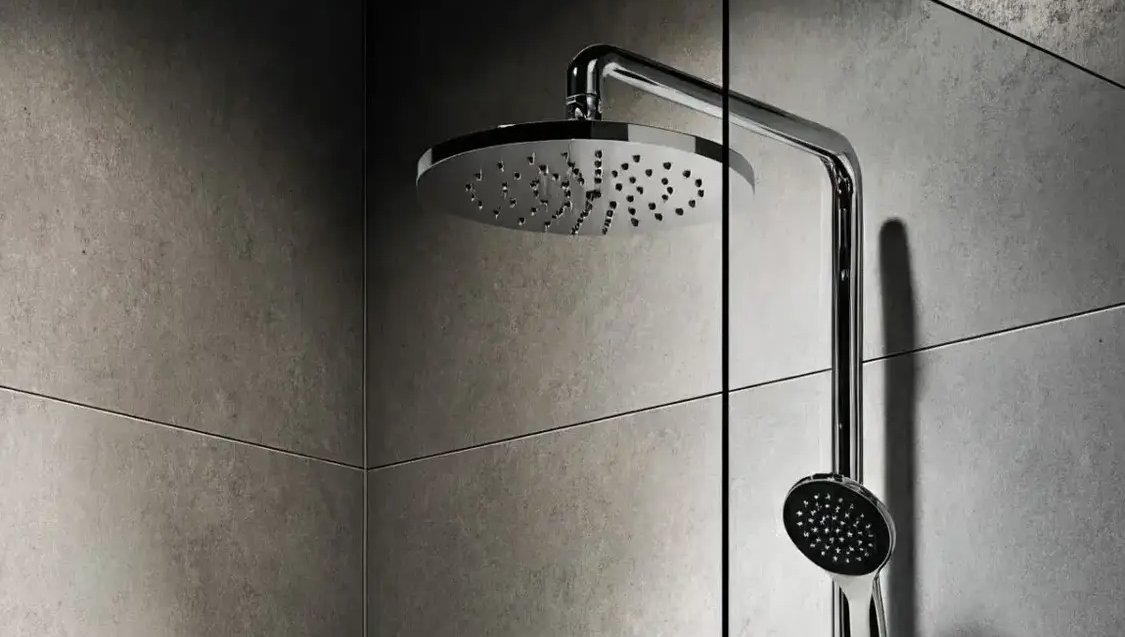
How to Remove Mineral Build-up on Shower Heads

Mineral Build-up on Shower Heads

Mineral deposits in the great outdoors can be one of the wonders of nature. Mineral deposits forming inside your shower head—not so much. All municipal water contains some amount of dissolved mineral content, usually calcium carbonate. While they’re harmless to your health, and in trace amounts actually make drinking water taste more appetizing, dissolved minerals in water tend to solidify and accumulate inside hot water fixtures like your water heater and/or your shower head.

Today’s water-efficient “low flow” shower heads are engineered to exact tolerances in order to function properly. If mineral build-up inside the shower head gradually restricts tiny water passageways and spray openings, however, low-flow begins to feel more like next-to-no-flow. It’s increasingly difficult to rinse away shampoo and soap residue and the overall shower experience is less-than-satisfactory.

Short of installing a whole-house water softener, you can’t do much about dissolved mineral content in your municipal water supply. However, you can clear mineral build-up out of your shower head with this simple procedure.

However, this simple procedure removes mineral buildup from your shower head.

  1. Unscrew the shower head from the water supply pipe. You may need a pair of pliers to loosen it.
  2. Pour enough full-strength vinegar into a bucket or other container to totally submerge the shower head. Roll it around to make sure the vinegar penetrates to all internal parts of the shower head. Be careful not to splash any vinegar into your eyes and keep the kids away.
  3. Allow the shower head to soak in the vinegar for two hours, then use an old toothbrush to scrub mineral residue off the outside of the spray head. Poke a toothpick into each of the spray openings to clear dissolved mineral accumulation.
  4. Reinstall the shower head on the pipe and tighten with pliers.
  5. Immediately turn on hot water and let it run a few moments to flush additional softened mineral deposits out of the passages inside the shower head.
  6. If mineral deposits are exceptionally heavy, place the shower head in a pan containing a 50/50 mixture of vinegar and water and heat it to a boil for 15 minutes. Pour out the water and then allow the shower head to cool before reinstalling.

Don’t put up with poor performance of your shower head—and limp, shampoo-loaded hair—due to excessive mineral build-up. You don’t need expensive commercial lime dissolvers that contain harsh caustic chemicals and require special safety measures. Vinegar, an old toothbrush, and toothpick get the job done just as well and much more inexpensively.

Arch Plumbing is located in St Charles, Missouri and has been in the service business since 2008 providing quality plumbing services.

protada final

Categories

Tags

Water Around Your Water Heater but No Visible Leak? Here’s What It Could Mean

Finding water on the floor around your water heater can be alarming. But what if you look closely and can't find an obvious leak? Water around a water heater doesn't always mean the tank itself is leaking. Moisture can come from a connection, valve, drain fitting,...

What Causes Water to Back Up Into Your Bathtub or Shower?

Have you ever turned on the shower or emptied a sink only to notice dirty water rising through the bathtub or shower drain? That isn't normal. Water backing up into a bathtub or shower usually means water isn't flowing properly through the home's drainage system. The...

What to Look for in a Trusted Local Plumber in St. Louis & St. Charles

When a plumbing problem happens at home, finding someone who can simply show up isn't always enough. You want a plumber who can identify the actual problem, explain what needs to be done, complete the work properly, and leave your home clean when the job is finished....

Plumbing Issues We See Most in Lake St. Louis Subdivisions

Lake St. Louis is home to a wide variety of neighborhoods and subdivisions, from newer developments to established homes that have been around for decades. While every house is different, there are certain plumbing problems that tend to come up repeatedly in...

How Much Does It Cost to Fix a Leak in Missouri Homes?

A plumbing leak is one of those problems that homeowners hope will disappear on its own—but it rarely does. Whether it's a dripping faucet, a pipe leaking behind a wall, or a hidden water line beneath your home, delaying repairs often leads to higher repair costs and...

Prevent Costly Plumbing Repairs with This Simple Annual Checklist

Why Annual Plumbing Maintenance Matters Many plumbing problems develop gradually. Mineral buildup, worn seals, aging valves, and slow leaks often go unnoticed until they begin affecting your home's plumbing performance. Routine maintenance can help: Detect small leaks...

Why Does My Ceiling Have a Water Spot? Common Plumbing Causes Homeowners Shouldn’t Ignore

Noticing a brown or yellow water spot on your ceiling can be concerning, especially if it seems to appear without warning. While it may look like a minor cosmetic issue, a ceiling stain often signals that moisture is collecting somewhere above the drywall. Ignoring...

How to Tell if a Plumbing Leak Is Behind Your Wall

Not every plumbing leak is easy to spot. While a dripping faucet or a leaking pipe under the sink is obvious, leaks hidden behind walls can go unnoticed for weeks or even months. During that time, water can slowly damage drywall, insulation, flooring, and wooden...

10 Plumbing Problems Every Homeowner Should Never Ignore

Most plumbing problems don't start as emergencies. A slow drain, a dripping faucet, or a toilet that runs longer than usual might seem like small inconveniences, but they often signal a larger issue developing behind the scenes. Ignoring these warning signs can lead...

Why Professional Sewer Repair Matters for Homeowners

A healthy plumbing system is something most homeowners rarely think about—until a sewer problem interrupts daily life. Because sewer lines are buried underground, damage often develops unnoticed until it causes slow drains, unpleasant odors, recurring backups, or even...

Over 60 Years of Master Plumbers in the Family

(636) 299-3854
