
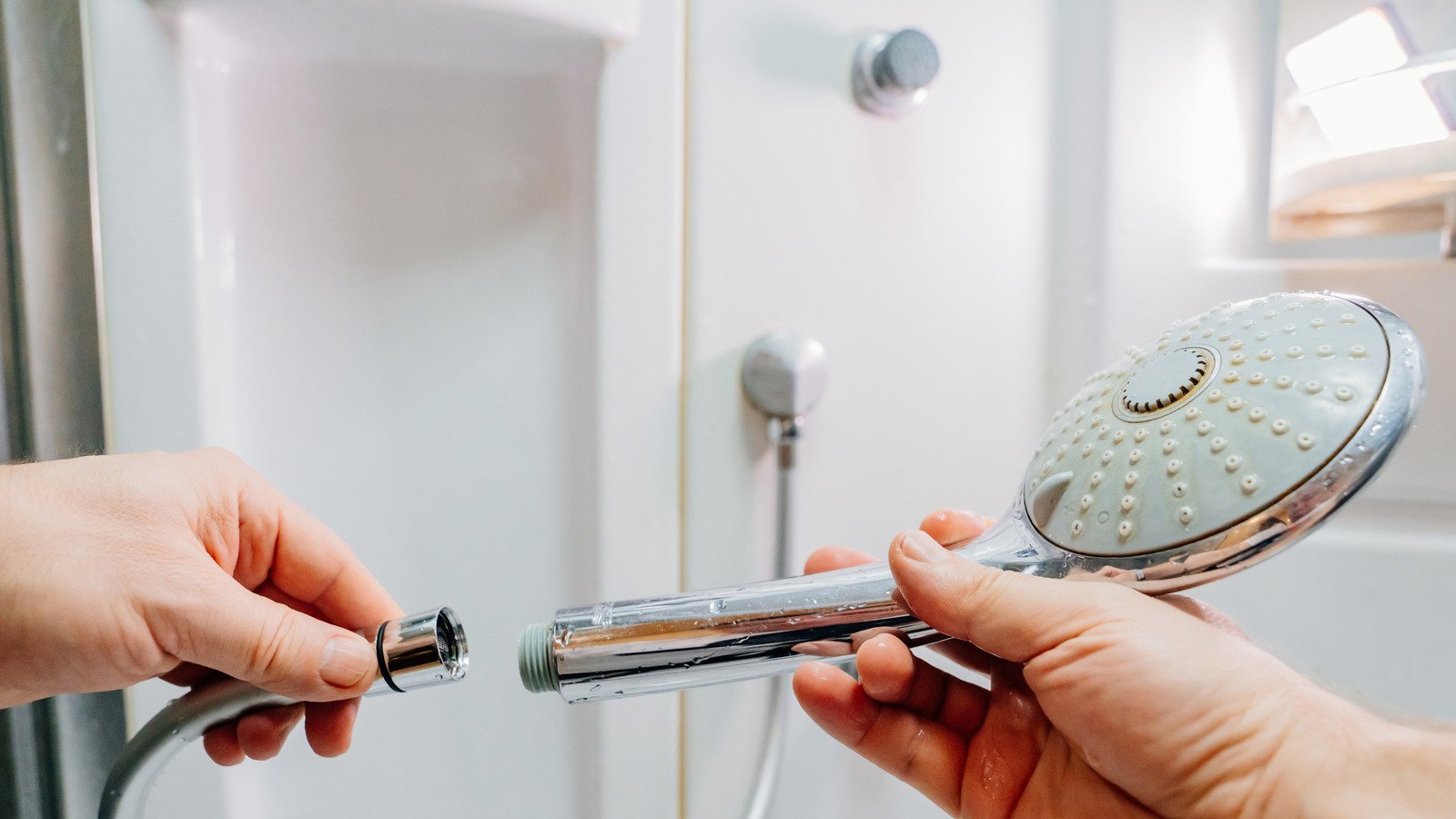
A dripping shower that won’t fully shut off is one of those problems that’s easy to ignore — until the water bill shows up, or the dripping turns into a steady trickle that never really stops. In most St. Charles County homes, a leaking shower valve comes down to one worn-out part, but figuring out whether a quick repair will fix it or whether the whole valve needs to come out isn’t always obvious from the outside.
Here’s how to tell what’s going on, and what actually determines whether a repair or a full replacement is the right call.
Signs Your Shower Valve Is the Problem
- Water continues to drip or trickle after the handle is fully shut off
- Water temperature swings unexpectedly hot or cold during use
- The handle feels loose, stiff, or doesn’t turn smoothly
- Water pressure from the shower seems to have dropped
- You hear a faint whistling or hissing sound when the shower is off
- Water is leaking from behind the wall around the shower handle
If you’re noticing one or more of these, the valve itself — not just the showerhead — is usually where the problem starts.
What’s Actually Causing the Leak
1. A Worn Cartridge
Most modern shower valves use a cartridge to control water flow and temperature mixing. Over time, the rubber seals and internal components inside the cartridge wear down, which is the single most common reason a shower valve drips or won’t fully shut off. The good news is that a worn cartridge is usually a contained, relatively straightforward repair.
2. Mineral Buildup From Hard Water
Hard water is common throughout St. Charles County, and mineral deposits can build up inside the cartridge or valve body over time. This buildup can cause a valve to stick, leak, or respond unevenly to temperature adjustments, even if the cartridge itself isn’t fully worn out yet.
3. A Cracked or Damaged Valve Body
The valve body is the part installed inside the wall that the cartridge fits into. If the valve body itself is cracked, corroded, or damaged, a new cartridge won’t solve the problem. This is less common than a worn cartridge, but it’s the scenario that usually points toward replacement rather than repair.
4. An Outdated or Discontinued Valve
Older shower valves, especially in homes more than a couple of decades old, sometimes use a valve style that’s no longer manufactured. When a matching cartridge isn’t available, replacing the entire valve becomes the only real option.
When a Repair Is Enough
In most cases, a leaking shower valve is fixed by replacing the cartridge. If the valve body itself is in good condition and a compatible cartridge is available, this is a relatively quick repair that resolves the drip, restores proper temperature control, and doesn’t require opening up the wall any more than necessary.
When Replacement Makes More Sense
A full valve replacement is usually the better call when:
- The valve body is cracked, corroded, or damaged
- A replacement cartridge isn’t available for that valve model
- The valve is original to a much older home and showing other signs of wear
- You’re already planning a shower or bathroom remodel and want to upgrade fixtures at the same time
Replacing the valve involves more work since it’s set inside the wall, but it also gives you the chance to upgrade to a more modern valve with better temperature control and pressure balancing.
Why Diagnosing This Yourself Can Be Tricky
Shower valves vary quite a bit by brand and age, and not every cartridge fits every valve body — even ones that look similar. Pulling the handle off to inspect a cartridge without the right tools or knowledge of the specific valve model can sometimes cause more damage than it solves, especially on older valves. This is one of those repairs where a quick professional diagnosis often saves more time and money than trial and error.
How Arch Plumbing Can Help
At Arch Plumbing, we repair and replace shower valves and cartridges throughout St. Charles County, from quick cartridge swaps to full valve replacements during a bathroom remodel. We’ll diagnose whether your valve needs a simple repair or a full replacement before any work starts, so you know what you’re dealing with and what it will cost.
If you’re dealing with a shower that won’t fully shut off, inconsistent temperature, or a valve that’s original to an older home, schedule an appointment and we’ll get it sorted out.
Frequently Asked Questions
Why does my shower keep dripping after I turn it off?
This is almost always caused by a worn cartridge inside the shower valve. The seals degrade over time and stop fully blocking water flow when the handle is shut off.
Can I replace a shower valve cartridge myself?
It’s possible for some valve models, but cartridges aren’t universal, and removing the wrong part or reassembling it incorrectly can lead to leaks behind the wall. A professional diagnosis helps confirm you’re getting the right part the first time.
How do I know if I need a new cartridge or a whole new valve?
If the valve body is in good condition and a compatible cartridge exists for that model, a cartridge replacement is usually enough. If the valve body is damaged or a cartridge is no longer available, full replacement is necessary.
Does hard water cause shower valve problems?
Yes. Mineral buildup from hard water can cause a valve to stick, leak, or respond unevenly to temperature changes, even before the cartridge is fully worn out.
Is a leaking shower valve urgent, or can it wait?
It’s not usually an emergency, but a continuous drip wastes water and can sometimes lead to leaks behind the wall if left unaddressed for a long time. It’s worth scheduling a repair sooner rather than later.
Will replacing a shower valve mean cutting into my wall?
In most cases, yes, since the valve body sits inside the wall. A professional plumber will minimize the opening needed and can advise on patching once the work is done.
Let’s Book Your Appointment
A dripping shower valve rarely fixes itself, and the longer it runs, the more it adds to your water bill and the higher the chance of hidden moisture behind the wall. Whether you need a quick cartridge swap or a full valve replacement, our team will give you a clear diagnosis and an honest price before any work begins — no guesswork, no surprises.
Call (636) 299-3854 or schedule your appointment online today.
Let’s Book Your Appointment
Fill out the form below and our team will contact you shortly to confirm your appointment.




