when holidays come we’ll be cooking, baking, and eating just a little bit (haha!) more than we usually do. With so much going on it’s easy to forget the little things that keep our household running smoothly, especially if you’ll have out of town guests helping you to cook and clean. So Arch Plumbing thought it’d be a good idea to offer a quick refresher on specific things NOT to put down the garbage disposal. Some are obvious, but others might surprise you.
Here are the top 8 things you should never put down your kitchen garbage disposal:
Bones
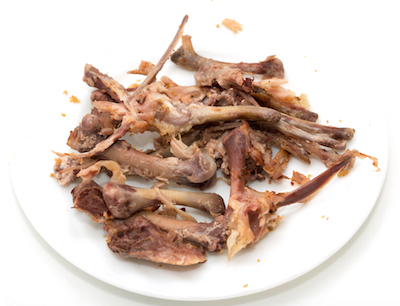
Any and all animal bones should be placed in the trash for disposal, not in your kitchen sink. This even goes for the small bones found in fish. Some garbage disposal companies claim that some bones are ok, but based on our experience we advise otherwise.
Oil, Grease and Fat
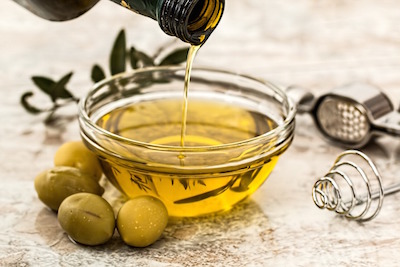
We get it, this stuff is a pain and it’s easier to just wash it all away, but that’s far from what you’re actually doing when you attempt to wash greasy pots and pans in your kitchen sink. Many oils solidify and become rather sticky once they’ve cooled, so you can only imagine what they’ll do to your plumbing.
Here’s what to do with excess cooking oil, grease and fats:
- Wait for the oil to cool in the pan
- Once cooled, empty the oil into a *designated container with a secure lid for disposal in your trash or (even better!) recycling
- Wipe the inside of the pan with a paper towel to remove any excess oil and throw in trash
Starchy Veggies
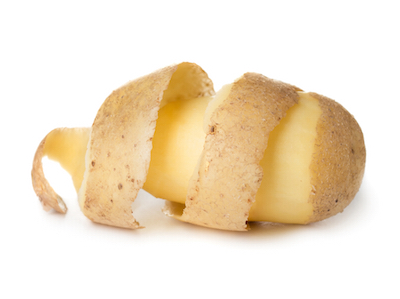
Mashed potatoes, carrots, and other starchy veggies are staple items for winter cooking. Just make sure they don’t end up in your kitchen sink. Starchy vegetables are sticky and can wreak some havoc on your plumbing if they end up in your garbage disposal. We advise peeling or shredding veggies in a large bowl as opposed to your kitchen sink. If peeling over the sink is easier for you, make sure you have a drain catch in place to help you easily gather up remnants from vegetable peels or shreds before rinsing.
Eggshells
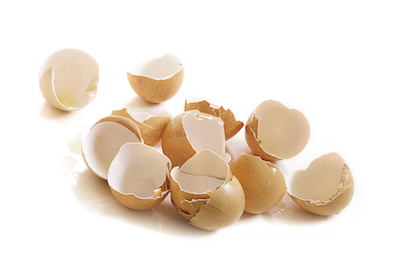
Eggshells are a big no-no for your garbage disposal. The thin membrane on the inside of the eggshell can wrap itself around the blade of the disposal. Crack eggs over a bowl and toss them in the trash or in your compost bin immediately to keep shards from going down the drain of your kitchen sink.
Fruit Pits and Seeds
They seem so harmless, but pits and seeds from fruits should also be avoided whenever possible. Don’t stress over the teeny-tiny ones from strawberries and kiwis that might sneak past you, but larger pits from prunes, pumpkins, and other squashes can be harmful and should go in the trash or compost.
Pasta & Rice
Pasta noodles and rice may be soft and slippery when cooked and can sometimes slip right into your garbage disposal. But when they dry, these items are sticky and hard. They can stick to the walls of your pipes, creating clogging issues over time. A few small bits here and there aren’t likely to cause harm, but try not to make this a habit. Use a colander for rinsing cooked pasta and rice, scrape of any uneaten bits in trash, and use a drain catch for rinsing dishes to catch any rogue tidbits.
Coffee Grounds
Coffee grounds might seem to wash away like sand or dirt particles, but when it comes to your kitchen sink this isn’t the case. Coffee grounds are known to get caught in the trap of your garbage disposal and the collection over time can result in a major clog, or worse, a broken garbage disposal.
Quick Tip: Designate a Garbage Bowl!
We’re not sure who started it, but we love the idea of a garbage bowl that’s used to put all excess kitchen scraps in while you’re cooking. It’s a quick and easy item to plop on your kitchen counter top so you’re not tempted to throw these items in the sink. Get a big fun one that can be used every time you cook!
Arch Plumbing has been in the service business since 2008 providing quality plumbing services including leak detection and drain service in St. Charles County.